







What Is Stretch Fabric? A Complete Guide to Stretch Fabrics
Learn what stretch fabric is, how it works, the different types of stretch materials, and why it has become a popular choice for comfortable everyday clothing.
If you've ever worn a pair of pants that feels comfortable when you sit, walk, or bend, there's a good chance stretch fabric is part of the reason.
Stretch fabrics have become increasingly common in everything from T-shirts and casual pants to activewear and travel clothing. They allow garments to move with the body while helping maintain a comfortable fit.
But what exactly makes a fabric stretchy? Is all stretch fabric made with spandex? And what's the difference between two-way and four-way stretch?
This guide explains everything you need to know about stretch fabric, including how it works, the most common types, its benefits, and what to consider when choosing stretch clothing.
What Is Stretch Fabric?
Stretch fabric is a textile designed to stretch and recover its original shape when tension is released.
Unlike traditional non-stretch fabrics, stretch fabrics can expand when you move and then return closer to their original dimensions.
This flexibility can make clothing more comfortable during everyday activities such as walking, sitting, traveling, exercising, or simply moving throughout the day.
Stretch can come from the fiber itself, the way the fabric is knitted or woven, or a combination of both.
For example, some fabrics have natural mechanical stretch because of their construction, while others contain elastic fibers such as spandex or elastane to provide additional flexibility.
How Does Stretch Fabric Work?
There are two main ways a fabric can become stretchy.
1. Mechanical Stretch
Some fabrics can stretch because of their construction rather than because they contain elastic fibers.
Knitted fabrics are a common example.
The loops in a knit structure can move and expand when the fabric is pulled, giving the material a certain amount of natural flexibility.
This type of stretch can feel soft and comfortable, but the amount of stretch depends heavily on the fabric construction.
2. Fiber-Based Stretch
Another common approach is adding elastic fibers to the fabric.
Spandex, also known as elastane, is one of the most widely used stretch fibers in clothing.
Even a relatively small percentage of elastane can significantly increase a fabric's ability to stretch and recover.
That's why you may see fiber compositions such as:
- Cotton + Spandex
- Polyester + Elastane
- Nylon + Spandex
- Modal + Elastane
The base fiber determines many of the fabric's characteristics, while the elastic fiber contributes flexibility and recovery.
What Are the Different Types of Stretch Fabric?


Not all stretch fabrics behave in the same way.
Understanding the different types can help you choose clothing based on how you plan to wear it.
2-Way Stretch Fabric
2-way stretch fabric primarily stretches in one direction.
Depending on the fabric construction, it may stretch horizontally or vertically.
This type of stretch can provide additional comfort while helping the garment maintain a relatively structured feel.
It can work well for everyday clothing where moderate flexibility is needed.
4-Way Stretch Fabric
4-way stretch fabric stretches both horizontally and vertically.
This gives the fabric greater flexibility and allows it to move more naturally with the body.
Four-way stretch is particularly popular in:
- Activewear
- Joggers
- Performance pants
- Travel clothing
- Yoga clothing
- Golf apparel
For activities that involve frequent bending, stretching, walking, or changing positions, four-way stretch can provide a noticeable comfort advantage.
Stretch Knit Fabric
Many knitted fabrics naturally have some degree of stretch because of their looped construction.
T-shirts, polos, sweaters, and other casual garments are often made with knit fabrics.
The amount of stretch depends on the specific knit structure and fiber composition.
Stretch Woven Fabric
Woven fabrics traditionally have less natural stretch than knitted fabrics, but adding elastane or using specific construction techniques can give them significant flexibility.
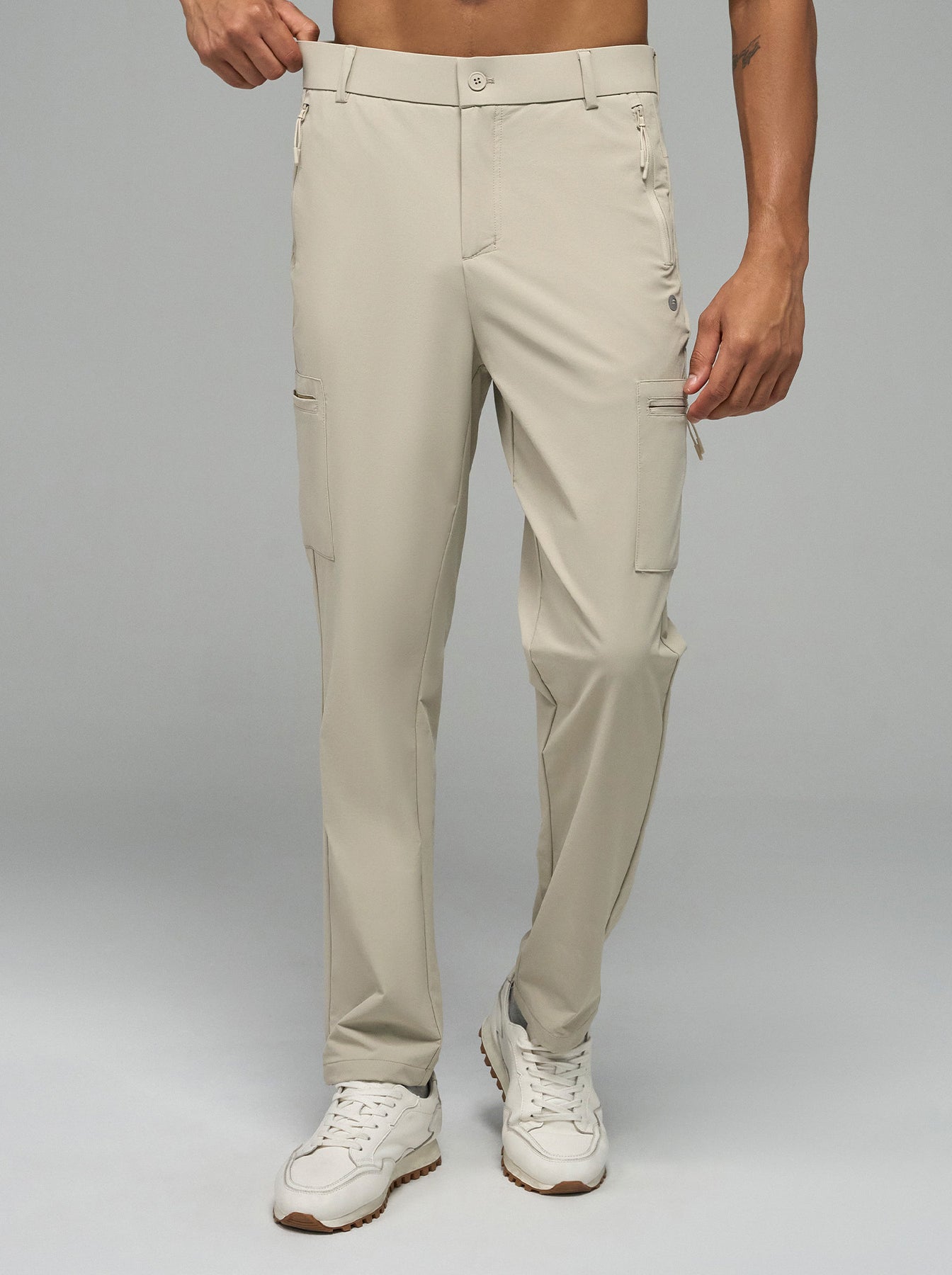
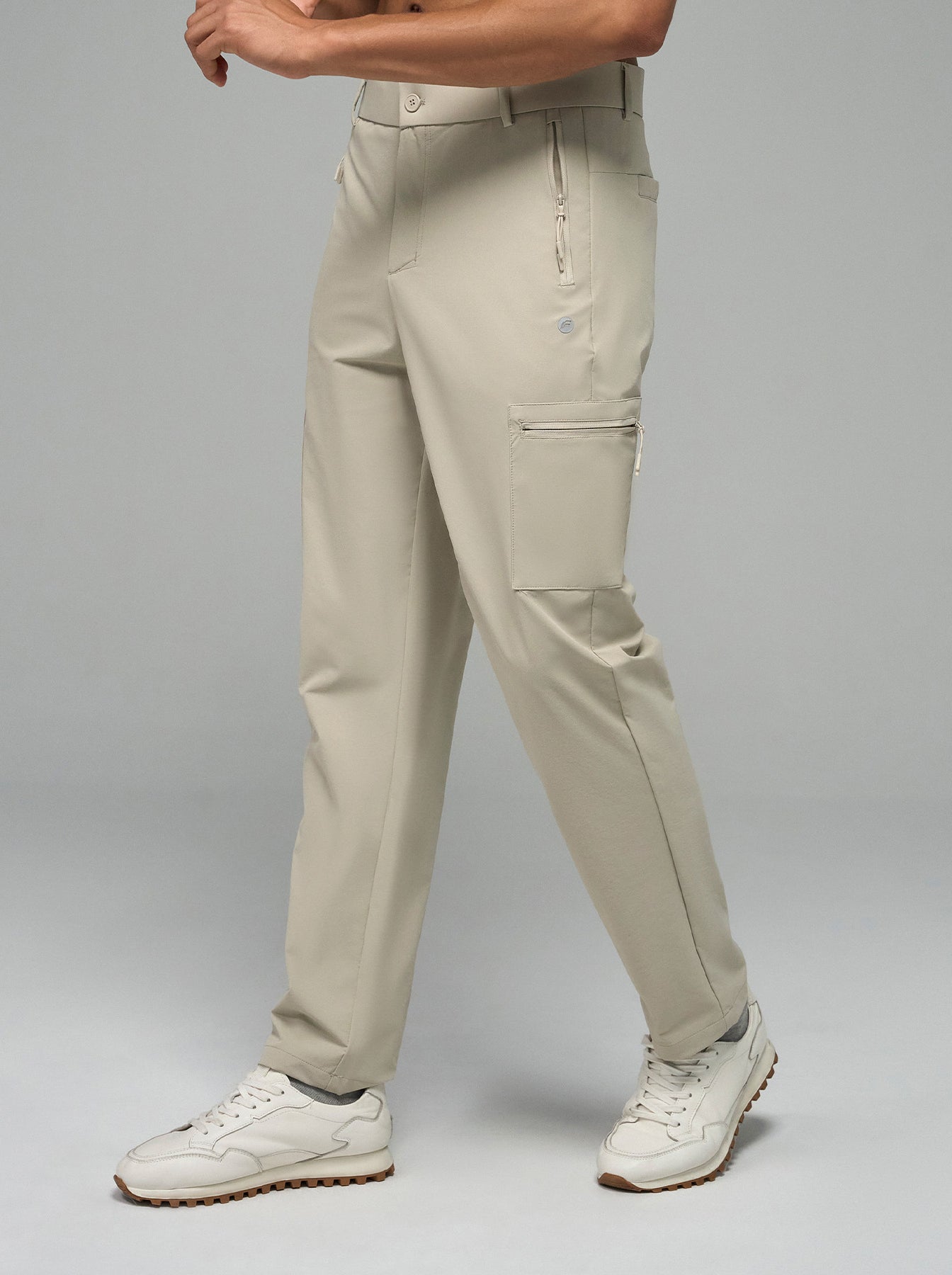
Stretch woven fabrics are commonly used for pants, chinos, travel clothing, and performance apparel.
They can offer a useful combination of structure, durability, and movement.
What Fibers Are Used in Stretch Fabric?
Several different fibers can be combined to create stretch clothing.
Spandex / Elastane
Spandex and elastane refer to the same type of highly elastic fiber, although the terminology varies by region.
It is valued for its excellent stretch and recovery properties.
Even in small percentages, it can make a garment significantly more flexible.
Polyester
Polyester is widely used in performance clothing because it is lightweight, durable, and relatively quick-drying.
When combined with elastane, it can create fabrics that offer both durability and stretch.
Nylon
Nylon is another popular choice for stretch clothing.
It is known for its strength, smooth feel, and durability.
Nylon blended with spandex is commonly found in activewear, performance clothing, and lightweight pants.
Cotton
Cotton is naturally comfortable and breathable, but traditional cotton fabrics generally have limited stretch.
Adding a small amount of spandex or elastane can make cotton clothing more flexible while retaining much of the familiar softness of cotton.
Modal
Modal is a soft cellulosic fiber known for its smooth hand feel.
When blended with elastane, it can create particularly soft and flexible fabrics that work well for comfortable everyday clothing.
What Are the Benefits of Stretch Fabric?
So why has stretch fabric become so popular?
There are several reasons.
Better Freedom of Movement
The biggest advantage is simple: stretch allows your clothing to move with you.
Whether you're sitting at a desk, walking around a city, getting into a car, or traveling for hours, flexible clothing can feel less restrictive.
Improved Comfort
A rigid garment can feel uncomfortable when it pulls across your knees, waist, shoulders, or hips.
Stretch allows the fabric to accommodate natural body movement, which can make clothing more comfortable throughout the day.
Better Fit
Stretch fabrics can adapt more easily to different body movements and positions.
This can help garments maintain a comfortable fit without feeling excessively loose.
Versatility
Stretch fabrics aren't limited to sportswear.
Today, they're used in everything from everyday T-shirts and pants to office-friendly clothing and travel apparel.
This makes them particularly useful for modern wardrobes where one garment may need to work across multiple situations.
Travel-Friendly Comfort
Travel often involves long periods of sitting, walking, and changing positions.
Stretch pants and other flexible clothing can make those situations more comfortable.
For travelers, stretch can be especially useful when combined with other performance features such as lightweight construction, moisture-wicking properties, quick drying, and wrinkle resistance.
Is Stretch Fabric Breathable?
The answer depends on the specific fabric.
Stretch itself does not automatically make a fabric breathable or non-breathable.
Breathability depends on factors such as:
- Fiber composition
- Fabric construction
- Weight
- Knit or weave structure
- Finishing treatments
For example, a lightweight stretch fabric may feel very breathable, while a dense stretch fabric can feel warmer.
This is why it's important to consider the entire fabric composition rather than simply looking for the word "stretch."
Is Stretch Fabric Durable?
Stretch fabric can be durable, but durability depends on the fiber composition, fabric construction, and how the garment is cared for.
High-quality stretch clothing should ideally provide both stretch and recovery.
Stretch refers to how far the fabric can extend.
Recovery refers to how well it returns to its original shape afterward.
Good recovery is important because a garment that stretches easily but does not recover well may eventually become loose or lose its original shape.
Proper washing and drying can also help preserve the elasticity of stretch clothing.
Always check the garment's care instructions, especially when it contains elastane or other elastic fibers.

Stretch Fabric vs. Non-Stretch Fabric
So which is better: stretch or non-stretch fabric?
There isn't one universal answer.
It depends on the garment and the situation.
Stretch Fabric |
Non-Stretch Fabric |
Greater flexibility |
More structured |
Comfortable for movement |
Can provide a crisp appearance |
Good for active lifestyles |
Often preferred for structured garments |
Useful for travel |
Can offer a more traditional feel |
Often comfortable for long wear |
May provide stronger shape retention |
For everyday pants, travel clothing, activewear, and other garments where movement matters, stretch can be particularly useful.
For structured jackets, formal shirts, or certain tailored garments, non-stretch fabrics may still be preferable.
How to Choose the Right Stretch Fabric?
When shopping for stretch clothing, don't just look at whether the label says "stretch."
Consider how much stretch you actually need.
For everyday pants, moderate stretch may provide enough flexibility without changing the garment's appearance too much.
For activewear, four-way stretch may be more appropriate because it allows greater freedom of movement.
For travel clothing, you may want to combine stretch with other features such as:
- Lightweight construction
- Breathability
- Moisture management
- Quick drying
- Wrinkle resistance
- Durability
The best fabric isn't necessarily the one with the most stretch.
It's the one that provides the right balance of comfort, recovery, durability, and performance for the way you use the garment.
Why Fioboc Uses Stretch Fabrics in Everyday Clothing?
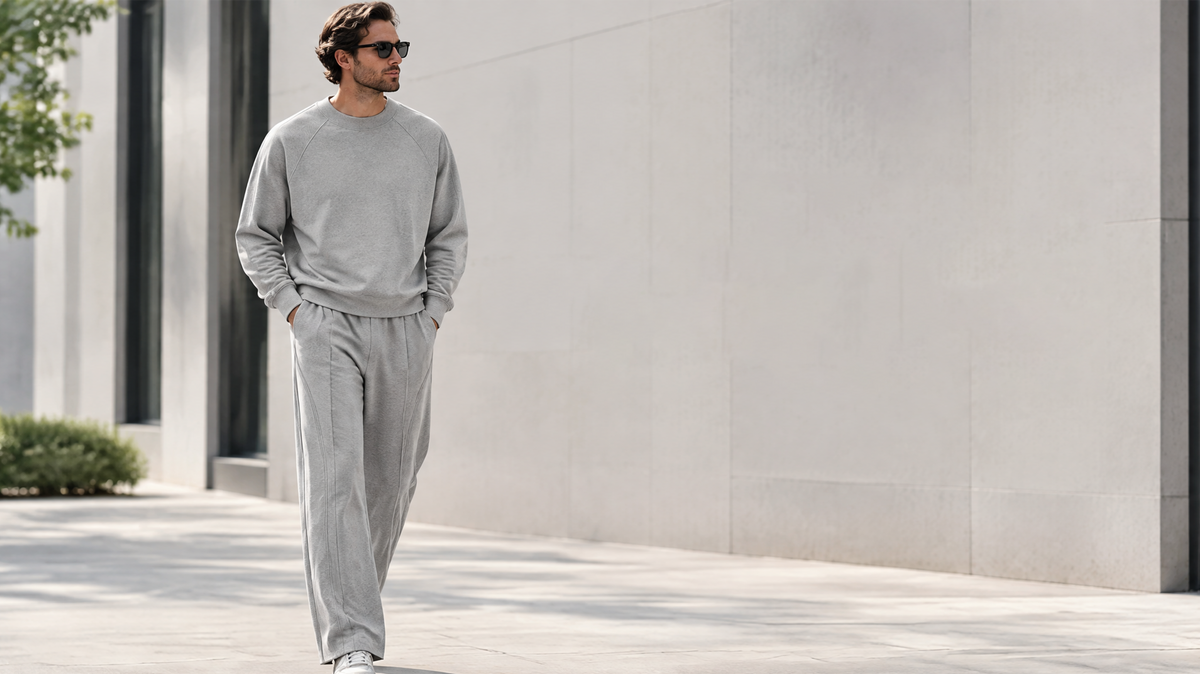
At Fioboc, stretch is part of a broader approach to making everyday clothing more comfortable and versatile.
Rather than treating stretch as something reserved for gym clothes, Fioboc incorporates flexible fabrics into different types of everyday apparel.
From pants and joggers to performance-oriented clothing, stretch helps garments move more naturally with the wearer.
For example, performance-focused fabrics can combine stretch with properties such as quick drying and moisture management, making them suitable for travel, outdoor activities, golf, and everyday wear.
The goal is simple:
Clothing should move with you, not work against you.
That's particularly important today, when one outfit may need to work for commuting, working, traveling, relaxing, and weekend activities.
Is Stretch Fabric the Same as Spandex?
No.
Spandex is an elastic fiber that can be used to give a fabric stretch. Stretch fabric is a broader term that includes fabrics that stretch because of their fiber composition, construction, or both.
Is 4-Way Stretch Better than 2-Way Stretch?
Not necessarily.
Four-way stretch provides greater flexibility in multiple directions, making it useful for activewear and garments that require a wide range of movement.
Two-way stretch can be perfectly suitable for everyday clothing where moderate flexibility is enough.
Does Stretch Fabric Lose Its Elasticity?
It can.
Repeated wear, high heat, harsh washing conditions, and general aging can affect elastic fibers over time.
Following the garment's care instructions can help maintain its stretch and recovery.
Is Stretch Fabric Good for Travel?
Yes.
Stretch can make travel clothing more comfortable during long periods of sitting and movement. For travel, it can be especially useful when combined with lightweight, quick-drying, breathable, or wrinkle-resistant properties.
Is Stretch Fabric Good for Everyday Clothing?
Absolutely.
Stretch fabrics can be used in T-shirts, pants, polos, joggers, activewear, and many other everyday garments.
The key is choosing the right amount and type of stretch for the garment.
Final Thoughts
Stretch fabric is more than simply "fabric that stretches."
It represents a combination of fiber technology and fabric construction designed to give clothing greater flexibility, comfort, and freedom of movement.
From cotton-spandex T-shirts to nylon stretch pants and four-way stretch performance apparel, different stretch fabrics serve different purposes.
The most important thing isn't finding the stretchiest fabric.
It's finding a fabric that provides the right balance of stretch, recovery, comfort, breathability, durability, and performance for your lifestyle.
As everyday clothing continues to become more versatile, stretch fabrics are likely to remain an important part of modern wardrobes.
And for brands like Fioboc, that's the opportunity: creating clothing that doesn't force you to choose between comfort and style, but allows you to have both.