





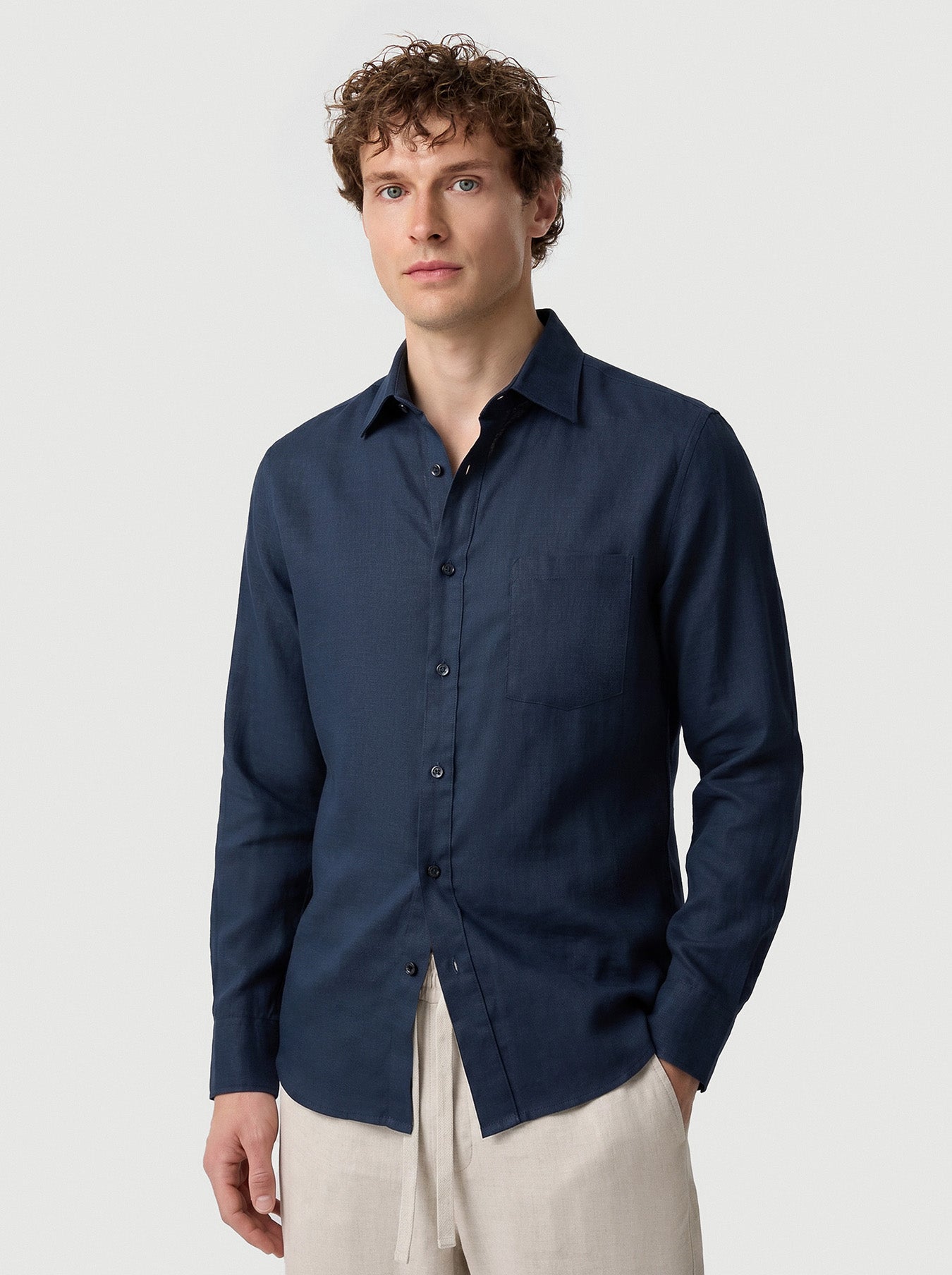


What Is Rayon Fabric? Benefits, Uses, and Care Guide
If you've ever checked a clothing label and noticed the word rayon, you may have wondered what it actually is. Rayon has been used in fashion for over a century and remains one of the most common fabrics for shirts, dresses, pants, and lightweight summer clothing.
So, what is rayon fabric? Is it natural or synthetic? Is it breathable? Does it shrink after washing? And how does it compare with fabrics like modal, viscose, cotton, or linen?
This guide answers the most common questions about rayon fabric while helping you understand when it's the right choice—and when another fabric may perform even better.
What Is Rayon Fabric?
Rayon is a semi-synthetic fabric made from natural cellulose, usually sourced from wood pulp such as beech, eucalyptus, pine, or bamboo.
Unlike polyester or nylon, rayon begins with natural plant material. However, the cellulose is chemically processed into fibers before being spun into yarn, which is why rayon is classified as a regenerated cellulose fiber rather than a fully natural fabric.
Rayon was originally developed as an affordable alternative to silk. Today, manufacturers produce several types of rayon, including:
- Viscose Rayon
- Modal
- Lyocell (TENCEL™ Lyocell)
- Cupro
Although all of these fabrics belong to the rayon family, each has unique characteristics in terms of softness, durability, wrinkle resistance, and moisture management.
Benefits of Rayon
- Soft and smooth against the skin
- Lightweight and breathable
- Drapes beautifully
- Absorbs moisture well
- Comfortable in warm weather
Drawbacks
- Wrinkles easily
- Can shrink without proper care
- Weaker when wet
- Usually requires gentle washing
Is Rayon a Good Fabric?
Yes—rayon is a good fabric if you prioritize softness, breathability, and comfort, especially in warm weather.
Rayon is popular because it combines many of the qualities people appreciate in natural fibers while offering a luxurious feel at a more affordable price.
It works particularly well for:
- Summer shirts
- Casual trousers
- Blouses
- Dresses
- Lightweight travel clothing
- Loungewear
However, rayon isn't ideal for every situation.
If you need clothing for hiking, workouts, or frequent machine washing, performance fabrics or modal blends often provide better durability and easier maintenance.
Is Rayon Fabric Stretchy?
Standard rayon has very little natural stretch.
Most rayon garments rely on their loose weave or relaxed fit rather than elasticity.
If you notice rayon clothing that stretches comfortably, it usually contains fibers such as:
- Spandex
- Elastane
- Lycra®
Modern rayon blends often combine softness with four-way stretch, making them much more comfortable for everyday movement.
Compared with other fabrics:
Fabric |
Natural Stretch |
Rayon |
Low |
Cotton |
Low |
Linen |
Very Low |
Modal |
Moderate |
Polyester Blend |
Moderate |
Rayon + Spandex |
High |
Will Rayon Fabric Shrink?
Yes. Rayon can shrink if washed or dried incorrectly.
Because rayon fibers absorb water easily, they may contract when exposed to heat.
Common causes include:
- Hot water
- High dryer temperatures
- Excessive agitation
- Improper drying
How to Prevent Shrinking
- Wash in cold water
- Use a gentle cycle
- Avoid tumble drying on high heat
- Air dry whenever possible
- Follow the garment care label
High-quality rayon fabrics often receive finishing treatments that reduce shrinkage, but proper care is still important.

Rayon vs Viscose: What's the Difference?
This question causes confusion because many people use the two terms interchangeably.
The short answer: viscose is the most common type of rayon.
Think of rayon as the overall fabric family.
Inside that family you'll find:
- Viscose
- Modal
- Lyocell
Fabric |
Softness |
Durability |
Wrinkle Resistance |
Viscose |
★★★★☆ |
★★★☆☆ |
★★☆☆☆ |
Rayon (General) |
★★★★☆ |
★★★☆☆ |
★★☆☆☆ |
Modal |
★★★★★ |
★★★★★ |
★★★★☆ |
Lyocell |
★★★★★ |
★★★★★ |
★★★★★ |
Rayon vs Modal: Which Fabric Is Better?
Since modal is actually a premium form of rayon, comparing the two helps shoppers choose the right clothing.
Rayon
Best for:
- Affordable everyday clothing
- Flowy garments
- Lightweight summer wear
Modal
Best for:
- Premium T-shirts
- Travel clothing
- Loungewear
- Business casual essentials
- Everyday basics
Compared with standard rayon, modal offers:
- Better resistance to shrinking
- Improved durability
- Greater softness
- Better wrinkle resistance
- Longer-lasting shape retention
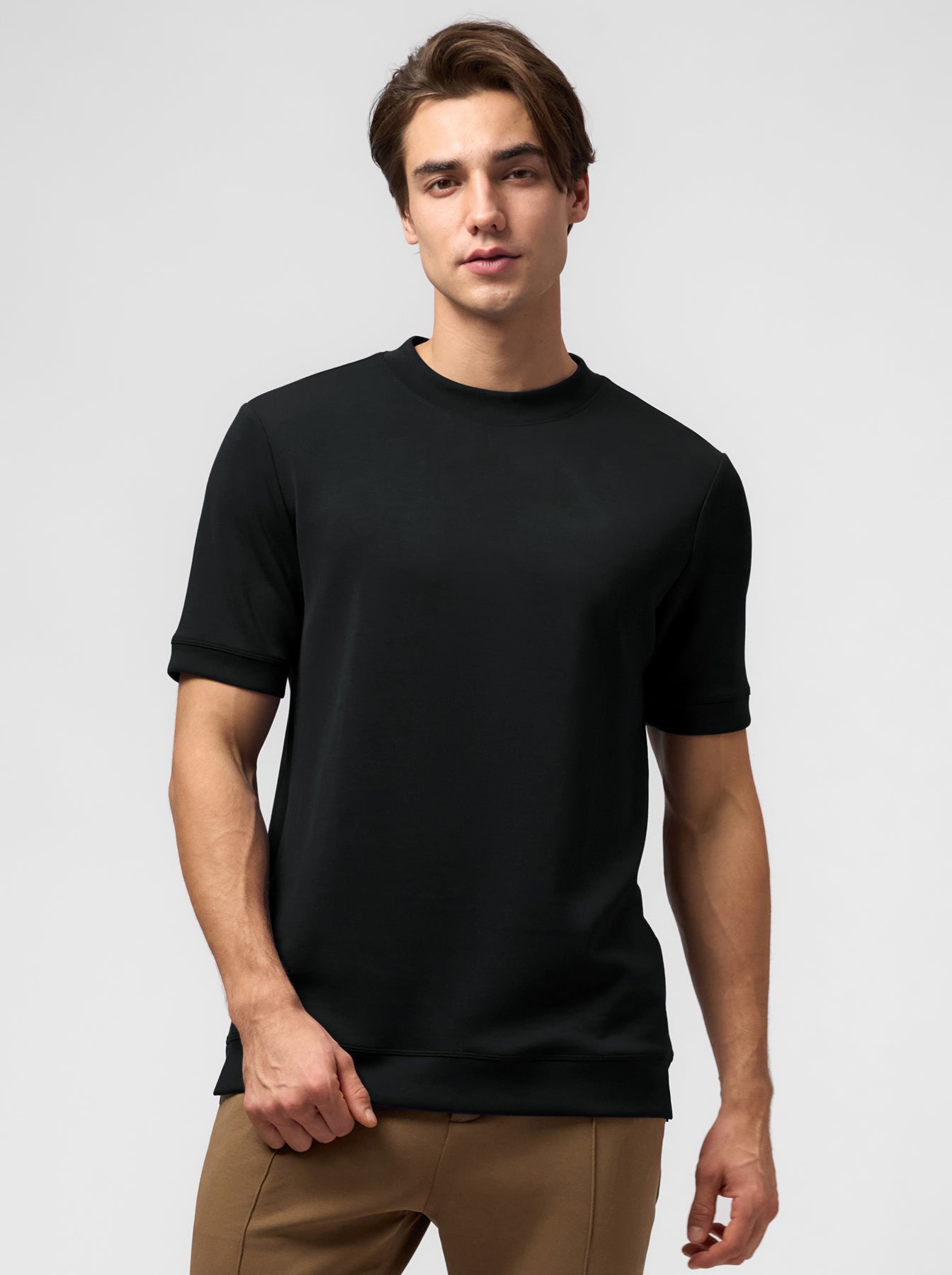
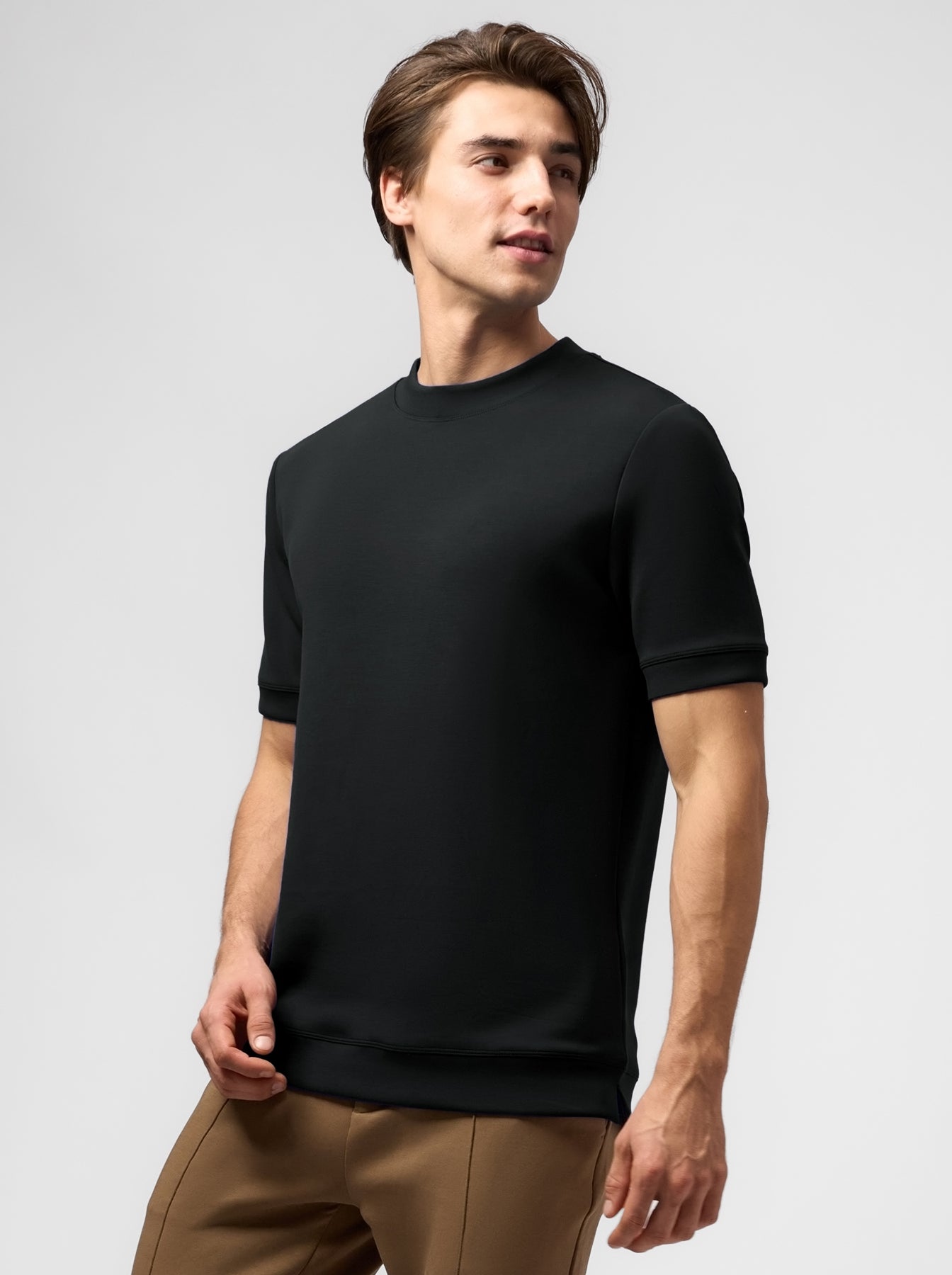
This is one reason why many premium clothing brands use modal blends in modern essentials. For example, men's travel tees and casual basics made with modal can remain softer after repeated washing while providing excellent breathability for everyday wear.
Is Rayon Good for Summer?
Yes. Rayon is considered one of the better fabrics for hot weather because it is lightweight and breathable.
It allows air to circulate and absorbs moisture better than many synthetic materials.
For extremely hot or humid climates, however, fabrics such as:
- Linen
- Modal
- Bamboo viscose
- Moisture-wicking performance blends
may provide even better cooling performance depending on the activity.
If you're traveling during summer, wrinkle-resistant modal blends or lightweight linen often require less maintenance than traditional rayon while delivering similar comfort.
How to Care for Rayon Fabric?
Proper care helps rayon garments maintain their softness and shape.
Washing
- Use cold water.
- Select a gentle cycle.
- Wash with similar fabrics.
- Avoid bleach.
Drying
- Lay flat to dry when possible.
- Avoid high heat.
- Remove wrinkles with a steamer instead of excessive ironing.
With the right care, rayon clothing can remain comfortable and attractive for years.
Is Rayon a Natural Fabric?
No. Rayon is a semi-synthetic fiber made from natural wood pulp that has been chemically processed.
Is Rayon Breathable?
Yes. Rayon is generally breathable and comfortable for warm-weather clothing.
Does Rayon Wrinkle Easily?
Yes. Standard rayon wrinkles more easily than modal or polyester blends.
Is Rayon Better than Cotton?
It depends on your needs. Rayon is softer and drapes better, while cotton is generally more durable and easier to care for.
Is Modal the Same As Rayon?
Modal belongs to the rayon family, but it is engineered to be stronger, softer, and more resistant to shrinking than traditional rayon.
Final Thoughts
Rayon remains one of the most versatile fabrics in modern apparel thanks to its soft feel, elegant drape, and breathable comfort. While it does require gentler care than some other materials, it's an excellent choice for lightweight everyday clothing.
For shoppers looking for an upgrade, modal offers many of the same comfort benefits as rayon with improved durability, wrinkle resistance, and shape retention. Whether you're choosing casual T-shirts, travel-ready basics, or comfortable loungewear, understanding the differences between rayon, modal, cotton, and linen can help you select clothing that better matches your lifestyle.