







What Is Cooling Fabric? The Science Behind Staying Cool
If you've ever wondered why some shirts feel refreshing even on a 95°F (35°C) summer day while others leave you hot and sticky, the answer often comes down to cooling fabric.
But what exactly is cooling fabric? Does it really work, or is it just another marketing buzzword?
The short answer is yes—high-quality cooling fabric can help you stay cooler and more comfortable, but not all fabrics labeled "cooling" perform the same way. The best cooling fabrics are designed to improve breathability, wick moisture away from your skin, and release heat more efficiently than traditional materials.
In this guide, we'll explain everything you need to know about cooling fabric, compare popular materials like linen, rayon, and modal, answer frequently asked questions, and help you choose the best clothing for hot weather.
What Is Cooling Fabric?
Cooling fabric is any textile engineered or naturally designed to help regulate body temperature and improve comfort in warm conditions.
Rather than actively lowering your body temperature, cooling fabric works by supporting your body's natural cooling process. It typically does this through one or more of the following features:
- Excellent breathability
- Moisture-wicking performance
- Quick-drying fibers
- Lightweight construction
- Improved airflow
- Reduced heat retention
Some cooling fabrics achieve these benefits naturally, while others rely on advanced fiber technology or specialized fabric structures.
Quick Answer: Cooling fabric doesn't make your body colder—it helps your body cool itself more efficiently by moving heat and moisture away from your skin.
Does Cooling Fabric Actually Work?
Yes—but with an important caveat.
Cooling fabric actually works when it's made from the right fibers and construction.
A shirt marketed as "cooling" isn't automatically better than every cotton T-shirt. Performance depends on:
- Fiber type
- Fabric weave or knit
- Fabric weight
- Moisture management
- Air permeability
For example:
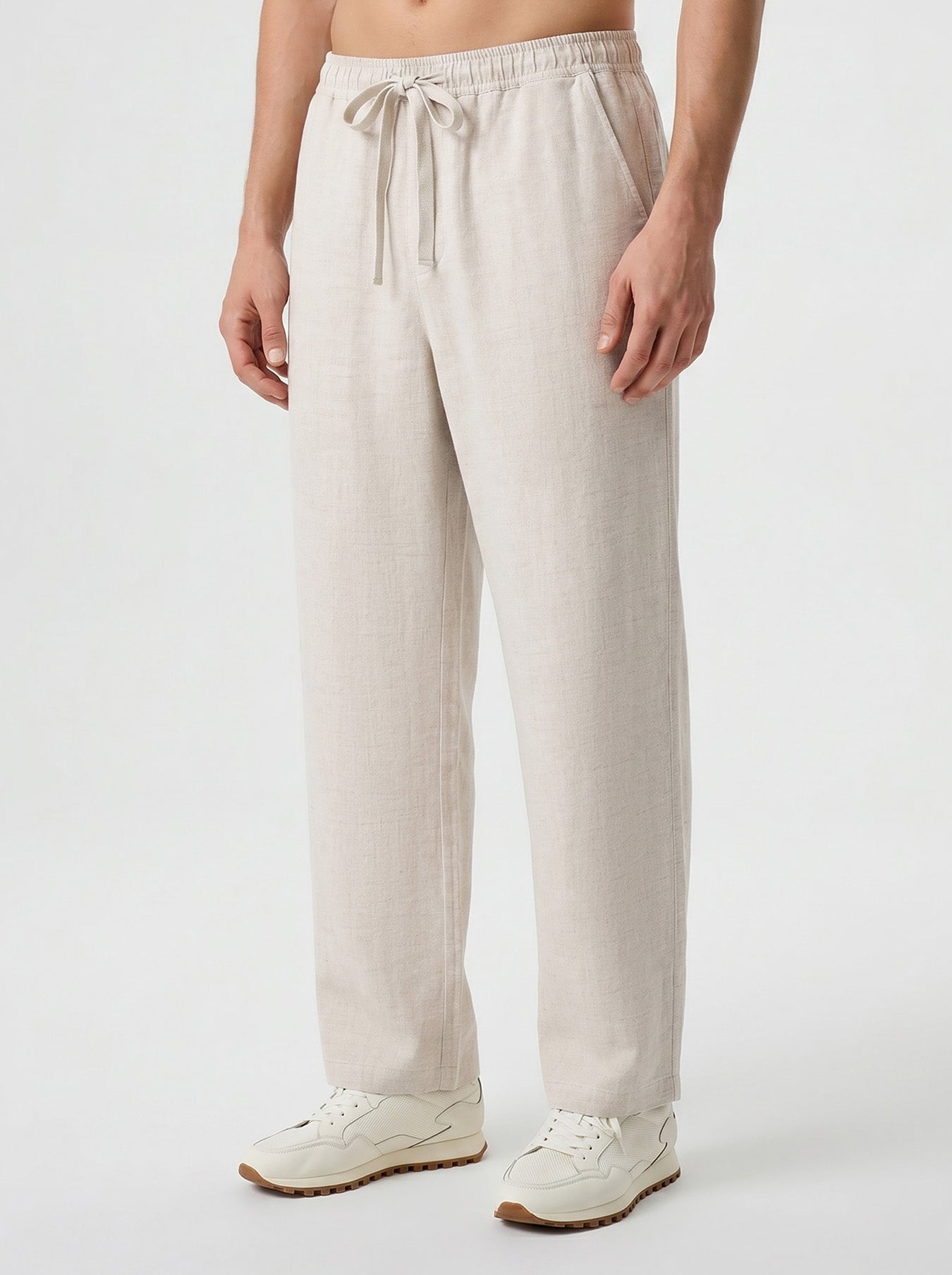
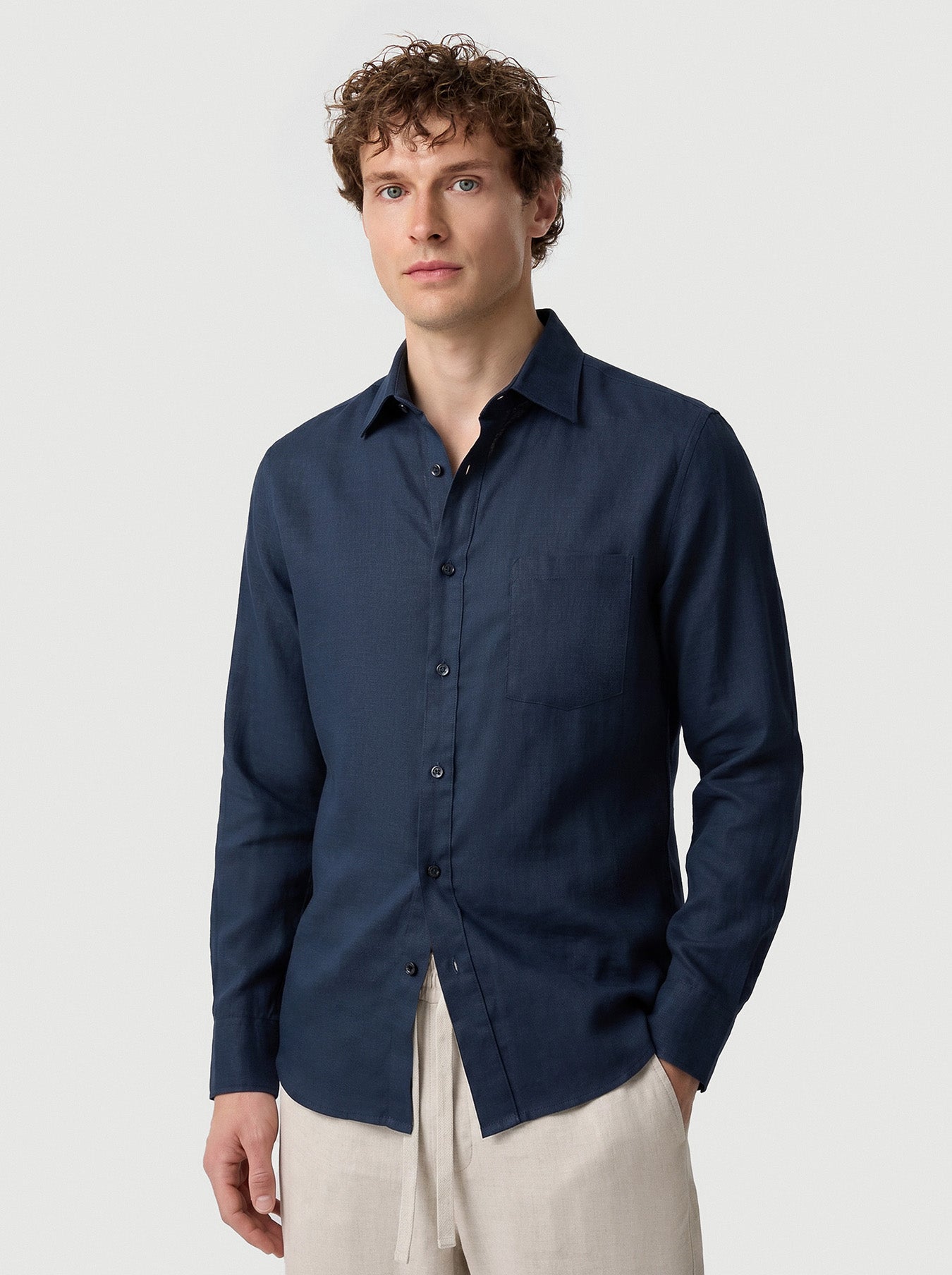
- A premium linen shirt usually feels cooler than a heavy cotton shirt.
- A lightweight modal blend often stays more comfortable than thick jersey cotton.
- A moisture-wicking performance fabric can dry significantly faster after sweating.
This is why travelers, golfers, hikers, and commuters often prefer well-designed cooling fabric clothing during summer.
How Does Cooling Fabric Work?
Most cooling fabrics rely on three key principles:
Moisture Management
Sweat naturally cools your body through evaporation.
Cooling fabrics move sweat away from your skin so it evaporates faster.
Better Airflow
Open weaves and breathable fibers allow more air to circulate.
More airflow means less trapped heat.
Faster Drying
Wet clothing sticks to your body and makes you feel hotter.
Quick-drying cooling fabric reduces this uncomfortable feeling.
What Fabric Keeps You Cool the Most?
There isn't a single "best" fabric for everyone.
Different situations call for different materials.
Fabric |
Breathability |
Quick Dry |
Softness |
Best For |
Linen |
⭐⭐⭐⭐⭐ |
⭐⭐⭐ |
⭐⭐⭐ |
Everyday summer wear |
Modal |
⭐⭐⭐⭐ |
⭐⭐⭐⭐ |
⭐⭐⭐⭐⭐ |
Travel & casual clothing |
Bamboo Viscose |
⭐⭐⭐⭐ |
⭐⭐⭐⭐ |
⭐⭐⭐⭐ |
Everyday comfort |
Performance Nylon Blend |
⭐⭐⭐⭐ |
⭐⭐⭐⭐⭐ |
⭐⭐⭐⭐ |
Sports & outdoor activities |
Cotton |
⭐⭐⭐ |
⭐⭐ |
⭐⭐⭐⭐ |
Mild weather |
The best cooling fabric depends on your activity level, climate, and personal preference.
Is Linen a Cooling Fabric?
Absolutely.
Linen is widely considered one of the best natural cooling fabrics available.
Why?
- Hollow flax fibers improve airflow.
- It absorbs moisture efficiently.
- Heat escapes easily.
- It feels cooler against the skin.
This is why linen has remained a favorite in Mediterranean countries for centuries.
The only downside is that pure linen wrinkles more easily than blended fabrics.
Is Rayon a Cool Fabric?
Yes—with some limitations.
Rayon is regenerated from natural cellulose, making it softer and more breathable than many synthetic fabrics.
A rayon-based cooling fabric often provides:
- Good airflow
- Soft touch
- Comfortable drape
However, rayon isn't always ideal for travel because:
- It can wrinkle.
- Some rayon fabrics lose strength when wet.
- Drying time varies depending on the blend.
If you're looking for better durability, modal (a type of rayon) is often a stronger choice.
Is Modal a Cooling Fabric?
Yes.
Modal is one of today's most popular cooling fabrics, especially for travel clothing.
Compared with regular cotton, modal offers:
- Better breathability
- Excellent softness
- Improved moisture management
- Better wrinkle resistance
- Lightweight comfort
This makes modal ideal for long flights, sightseeing, and everyday summer wear.
Are Synthetic Cooling Fabrics Better?
Not necessarily.
Modern performance fabrics have improved dramatically.
High-quality nylon or polyester blends can outperform natural fibers during:
- Running
- Hiking
- Gym workouts
- Outdoor sports
Because they dry extremely quickly and wick moisture efficiently, they're excellent choices when you'll be sweating heavily.
How to Choose High-Quality Cooling Fabric
Not every shirt advertised as "cooling" delivers noticeable performance.
Before buying, consider these factors:
Breathability
Can air move freely through the fabric?
Moisture-Wicking
Does it pull sweat away from your skin?
Fabric Weight
Lighter fabrics usually feel cooler.
Stretch
Stretch improves comfort during movement.
Drying Speed
Quick-drying clothing stays comfortable throughout the day.
Wrinkle Resistance
Especially useful for travel.


Best Cooling Fabric for Different Situations
For Daily Summer Wear
Choose:
- Linen
- Modal
- Bamboo blends
For Travel
Look for:
- Lightweight clothing
- Wrinkle-resistant fabrics
- Quick-drying materials
For Exercise
Choose performance fabrics with:
- Moisture-wicking
- Four-way stretch
- Fast drying
For Office Wear
Modal blends and premium lightweight fabrics provide a polished appearance without sacrificing comfort.
Choosing Cooling Clothing That Works
The fabric is only part of the equation. Construction and fit also matter.
When shopping for summer clothing, look for pieces with:
- Relaxed or regular fits that allow air to circulate.
- Lightweight fabric weights.
- Breathable weaves.
- Minimal unnecessary lining.
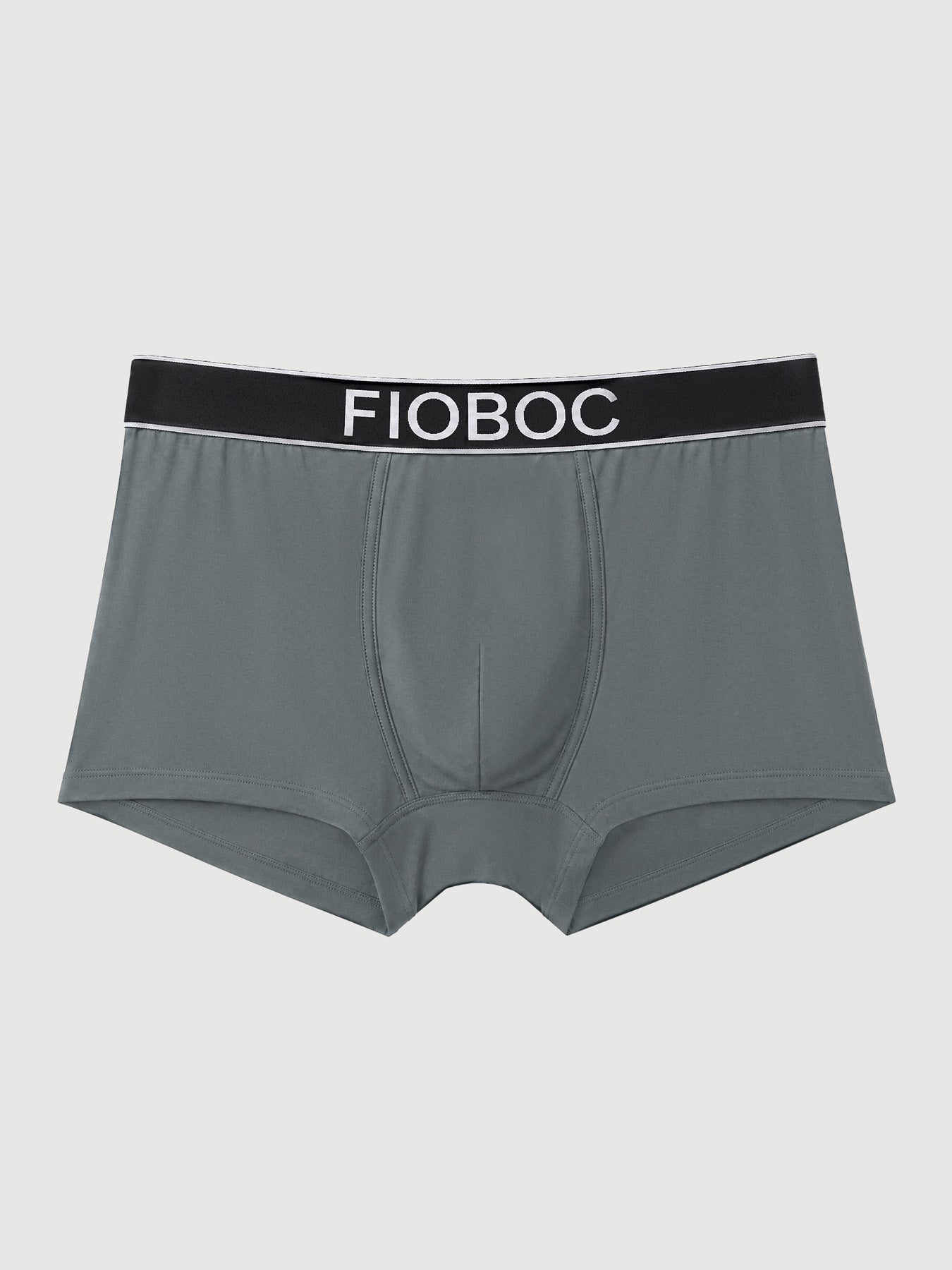
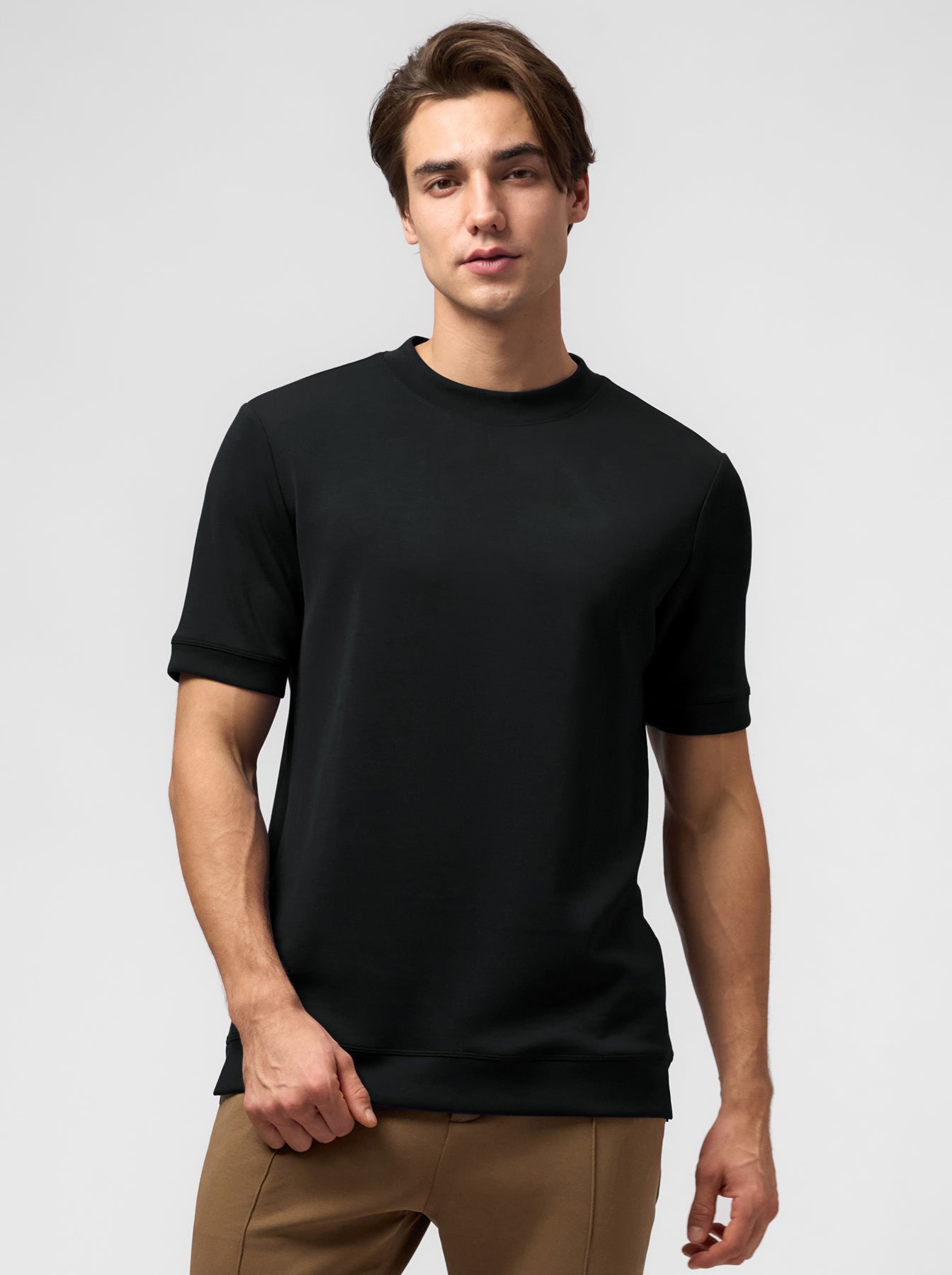
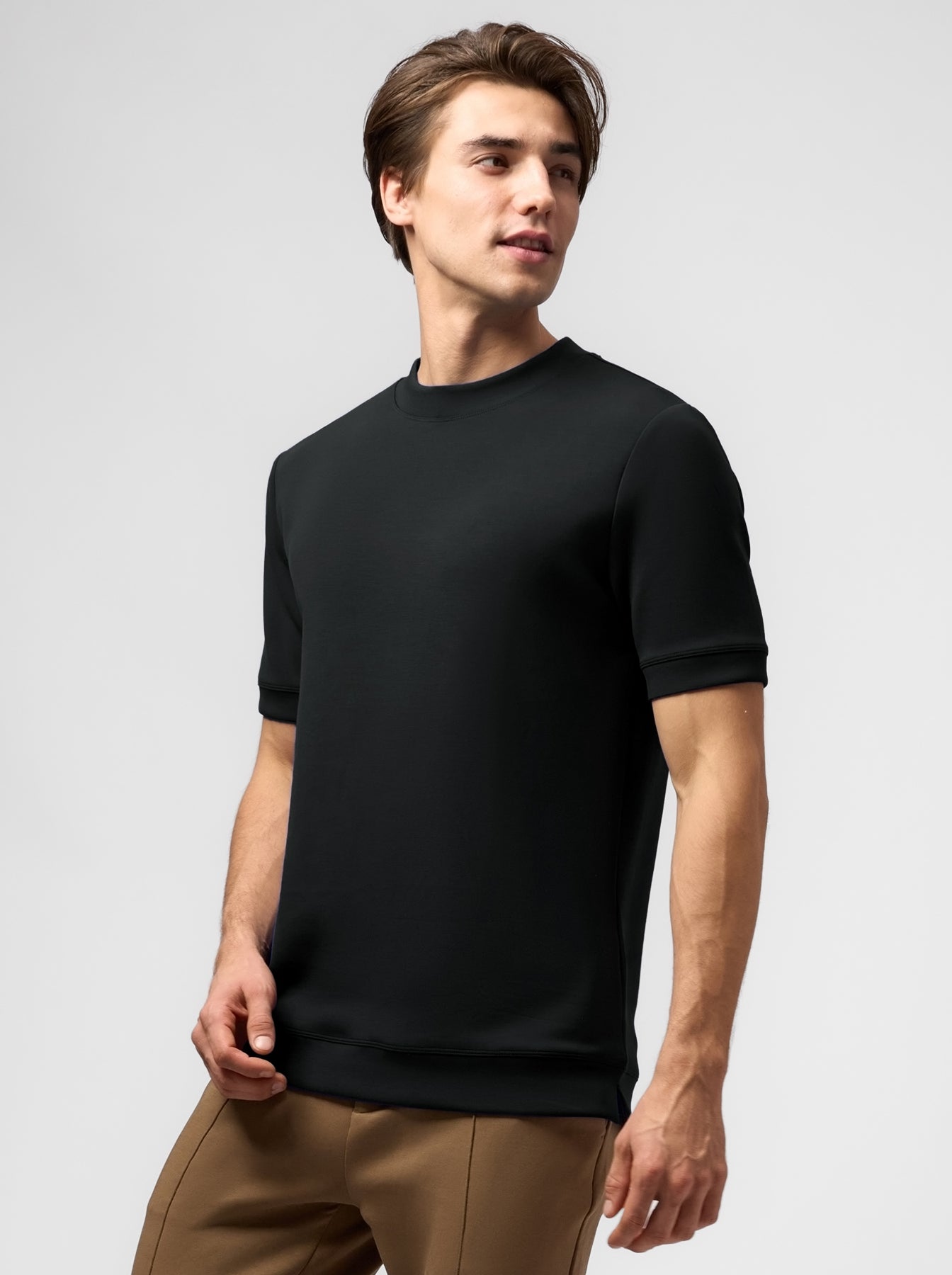
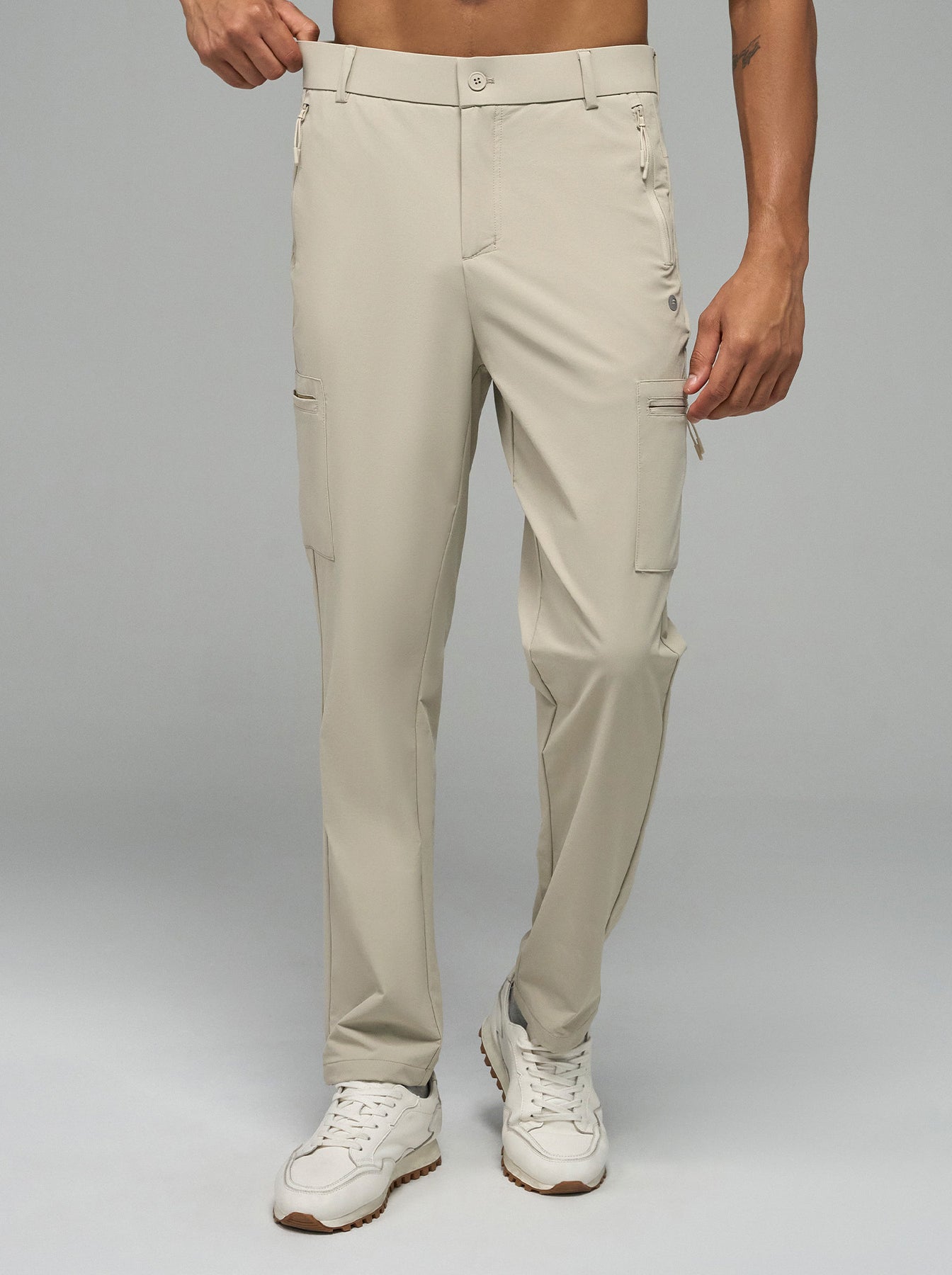
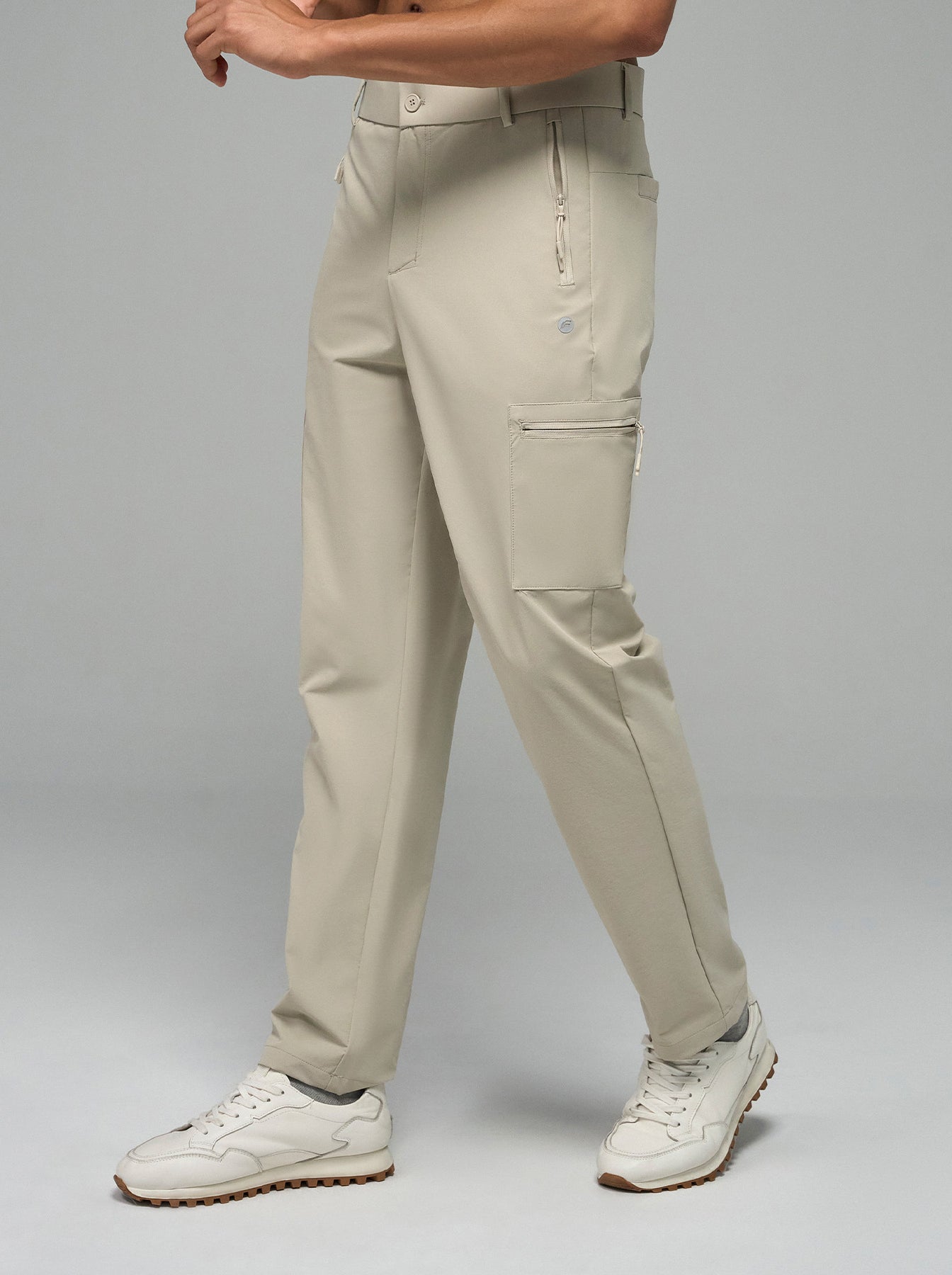
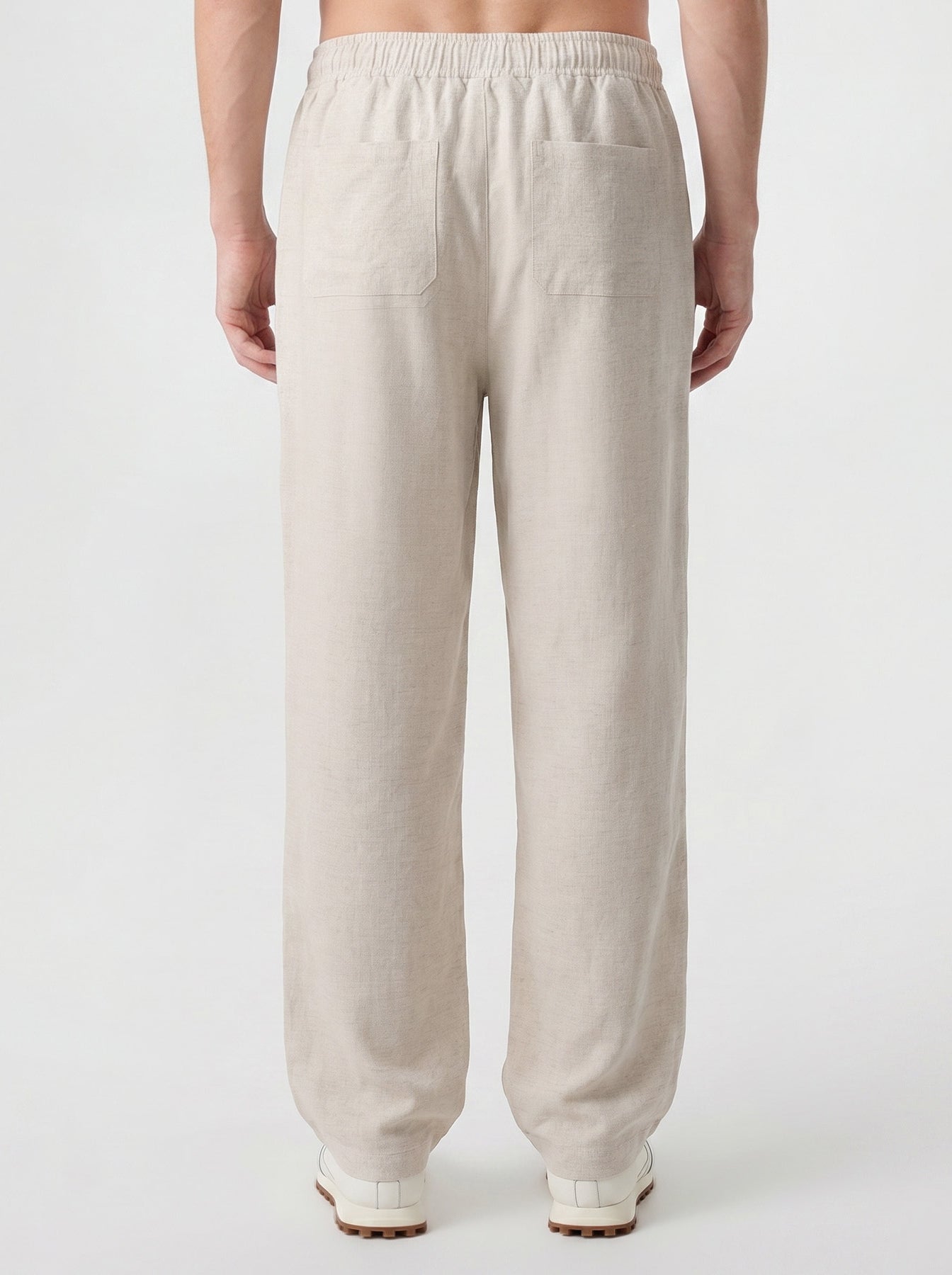
Brands that focus on functional everyday apparel often combine natural fibers with technical performance features. For example, Fioboc offers summer essentials made with premium linen, modal blends, bamboo-based fabrics, and quick-dry performance materials. These collections are designed to balance softness, breathability, moisture management, and wrinkle resistance, making them suitable for commuting, travel, and everyday wear without sacrificing style.
What Is Cooling Fabric?
Cooling fabric is a material designed to improve breathability, wick moisture, and release heat efficiently, helping you stay more comfortable in hot weather.
Does Cooling Fabric Actually Work?
Yes. High-quality cooling fabric can improve comfort by enhancing airflow and speeding up sweat evaporation, though performance depends on the fiber and fabric construction.
Is Linen a Cooling Fabric?
Yes. Linen is one of the best natural cooling fabrics because it is breathable, lightweight, and excellent at releasing heat.
Is Rayon a Cool Fabric?
Generally, yes. Rayon feels soft and breathable, while modal—a type of rayon—offers even better durability and wrinkle resistance.
What Fabric Keeps You Cool the Most?
For everyday wear, linen and modal are excellent choices. For high-intensity activities, moisture-wicking performance fabrics are often the best option.
What Should I Look for When Buying Cooling Clothing?
Prioritize breathable, lightweight, moisture-wicking, quick-drying fabrics with a comfortable fit. These qualities usually have a greater impact than marketing claims alone.
Final Thoughts
The best cooling fabric isn't defined by a single material—it's the combination of breathable fibers, thoughtful construction, and performance features that keeps you comfortable.
Whether you prefer the timeless breathability of linen, the silky softness of modal, or the fast-drying performance of technical fabrics, choosing the right cooling fabric can make a noticeable difference during hot weather.
Instead of focusing only on the label, pay attention to breathability, moisture management, weight, and overall fabric quality. Those factors will have the biggest impact on how cool and comfortable your clothing feels throughout the day.