







Moisture Wicking vs Quick Dry: What's the Difference?
When shopping for activewear, travel clothing, or summer essentials, you've probably seen terms like moisture wicking and quick dry. Many brands use these phrases interchangeably, but they are not the same thing.
The short answer: Moisture-wicking fabrics move sweat away from your skin, while quick-dry fabrics help moisture evaporate faster. Some performance garments do both, but understanding the difference can help you choose the right clothing for workouts, travel, hiking, or everyday wear.
In this guide, we'll explain how each technology works, their benefits, and when you should choose one over the other.
Moisture Wicking vs Quick Dry: Quick Answer
If you're looking for the simplest explanation:
- Moisture-wicking fabrics transport sweat away from the skin.
- Quick-dry fabrics reduce drying time by accelerating evaporation.
Think of moisture wicking as moving moisture, while quick drying is about removing moisture.
The best performance clothing combines both features.
Why Sweat Management Matters?
Your body naturally produces sweat to regulate temperature. However, sweat that stays trapped against the skin can cause several problems:
- Sticky discomfort
- Chafing
- Odor buildup
- Overheating
- Cold sensations after activity
This is why modern performance clothing focuses on moisture management rather than simply absorbing sweat.
What Is Moisture Wicking?
Moisture-wicking fabric is engineered to pull sweat away from the skin and move it toward the outer surface of the garment.
This process is often called capillary action.
Instead of allowing sweat to collect on your body, moisture-wicking fibers spread moisture across a larger surface area, making it easier to evaporate.
Benefits of Moisture-Wicking Fabrics
- Keeps skin feeling drier
- Reduces clingy fabric sensation
- Helps regulate body temperature
- Improves comfort during exercise
- Reduces irritation caused by sweat
Common Moisture-Wicking Materials
Many fabrics can be moisture-wicking, including:
- Polyester blends
- Nylon blends
- Bamboo-based performance fabrics
- Certain merino wool fabrics
- Technical synthetic fibers
Not all moisture-wicking fabrics dry quickly, however.
What Is Quick-Dry Fabric?
Quick-dry fabric is designed to release moisture rapidly and shorten drying time.
Unlike moisture wicking, which focuses on moving sweat away from the skin, quick-dry technology focuses on evaporation efficiency.
These fabrics usually:
- Absorb less water
- Retain less moisture
- Have lightweight fiber structures
- Allow better airflow
Benefits of Quick-Dry Fabrics
- Faster drying after sweating
- Reduced fabric weight when wet
- Better comfort during travel
- Easier washing and overnight drying
- Ideal for outdoor activities
Quick-dry fabrics are particularly popular among travelers, hikers, runners, and outdoor enthusiasts.
Moisture Wicking vs Quick Dry: Key Differences
Feature |
Moisture Wicking |
Quick Dry |
Main Function |
Moves sweat away from skin |
Speeds up evaporation |
Focus |
Comfort during wear |
Faster drying time |
Skin Feel |
Drier against the body |
Less dampness overall |
Best For |
Exercise and daily activity |
Travel and outdoor use |
Technology Goal |
Sweat transport |
Moisture release |
The two technologies solve different parts of the same problem.
Can a Fabric Be Both Moisture Wicking and Quick Dry?
Yes.
In fact, most high-quality performance apparel combines both features.
The ideal process looks like this:
- Sweat forms on the skin.
- Moisture-wicking fibers pull sweat outward.
- The fabric spreads moisture across a larger surface.
- Quick-dry technology accelerates evaporation.
- The garment returns to a dry state faster.
This combination provides maximum comfort in hot weather and during physical activity.
Which Is Better for Summer?
Neither is automatically better.
The right choice depends on your activity.
For Everyday Wear
Moisture wicking is often more important because comfort against the skin matters most.
For Travel
Quick-dry fabrics are highly beneficial because they can be washed and worn again quickly.
For Hiking and Outdoor Adventures
A combination of moisture wicking and quick drying provides the best performance.
For Gym Workouts
Look for garments that offer both technologies.


Moisture Wicking vs Cotton
One reason performance fabrics have become popular is that cotton behaves differently when wet.
Cotton:
- Absorbs large amounts of moisture
- Dries slowly
- Becomes heavy when wet
Performance fabrics:
- Move moisture efficiently
- Dry faster
- Maintain comfort longer
This is why athletes and travelers often prefer moisture-wicking and quick-dry clothing over traditional cotton garments.
How to Identify Moisture-Wicking and Quick-Dry Clothing
When shopping, look for descriptions such as:
- Moisture-wicking
- Sweat-wicking
- Quick-dry
- Fast-drying
- Performance fabric
- Breathable stretch fabric
You can also examine the fabric composition. Polyester, nylon, and advanced blends are commonly used for moisture management.
The Future of Performance Fabrics
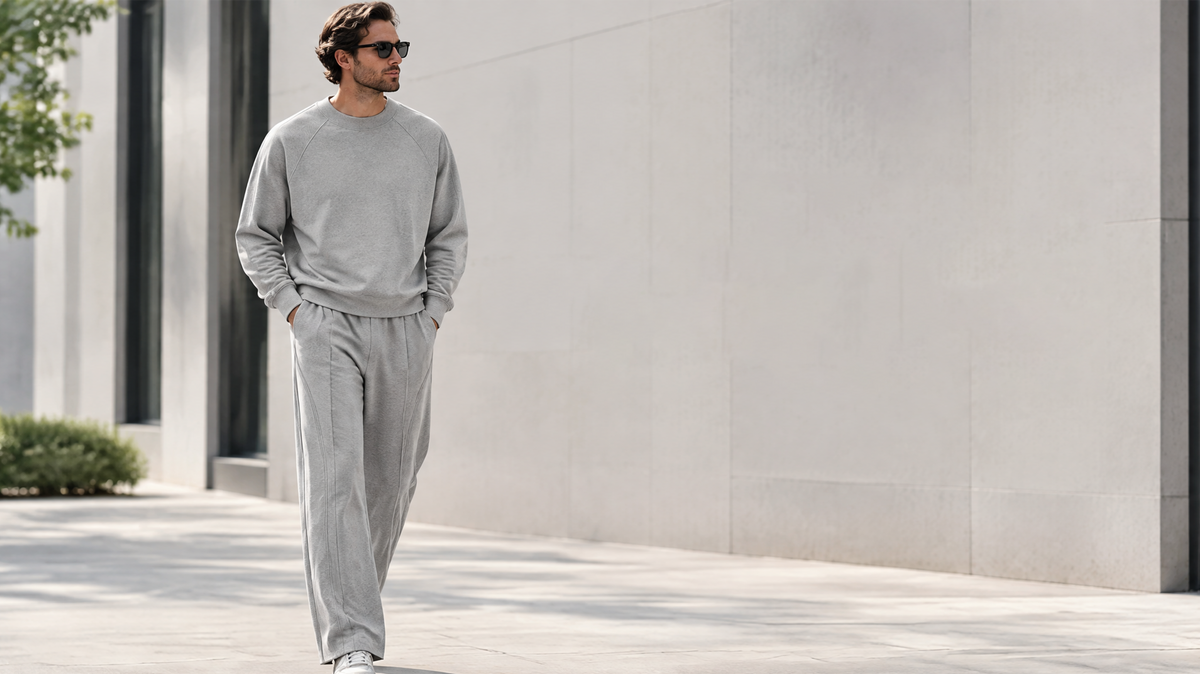
As consumers prioritize comfort, travel readiness, and versatility, the line between activewear and everyday clothing continues to blur.
Modern performance apparel increasingly combines:
- Moisture-wicking technology
- Quick-dry performance
- Four-way stretch
- Wrinkle resistance
- Breathability
The result is clothing that performs well both during activity and throughout daily life.
Is Moisture Wicking the Same as Quick Dry?
No. Moisture wicking moves sweat away from your skin, while quick-dry technology helps moisture evaporate faster.
Which Is Better for Hot Weather: Moisture Wicking or Quick Dry?
The best option is clothing that combines both features. Moisture wicking improves comfort, while quick drying prevents prolonged dampness.
Does Cotton Have Moisture-Wicking Properties?
Traditional cotton absorbs moisture but does not wick sweat as efficiently as performance fabrics.
Are Quick-Dry Clothes Good for Travel?
Yes. Quick-dry garments are popular among travelers because they dry rapidly after washing and are easy to pack.
What Fabrics Are Best for Moisture Wicking?
Polyester blends, nylon blends, bamboo performance fabrics, merino wool, and other engineered performance materials are commonly used.
Do Moisture-Wicking Clothes Reduce Sweating?
No. They do not stop your body from sweating. Instead, they help manage sweat more effectively, making you feel cooler and more comfortable.
Final Thoughts
Understanding moisture wicking vs quick dry can help you make smarter decisions when choosing summer clothing, activewear, and travel apparel.
Moisture-wicking fabrics focus on moving sweat away from the skin, while quick-dry fabrics focus on removing moisture from the garment as quickly as possible. Together, they create a more comfortable wearing experience, especially in hot weather and active environments.
For the best performance, look for clothing that combines moisture-wicking technology, quick-dry construction, breathability, and stretch. These features work together to keep you comfortable whether you're commuting, training, traveling, or simply enjoying a warm summer day.