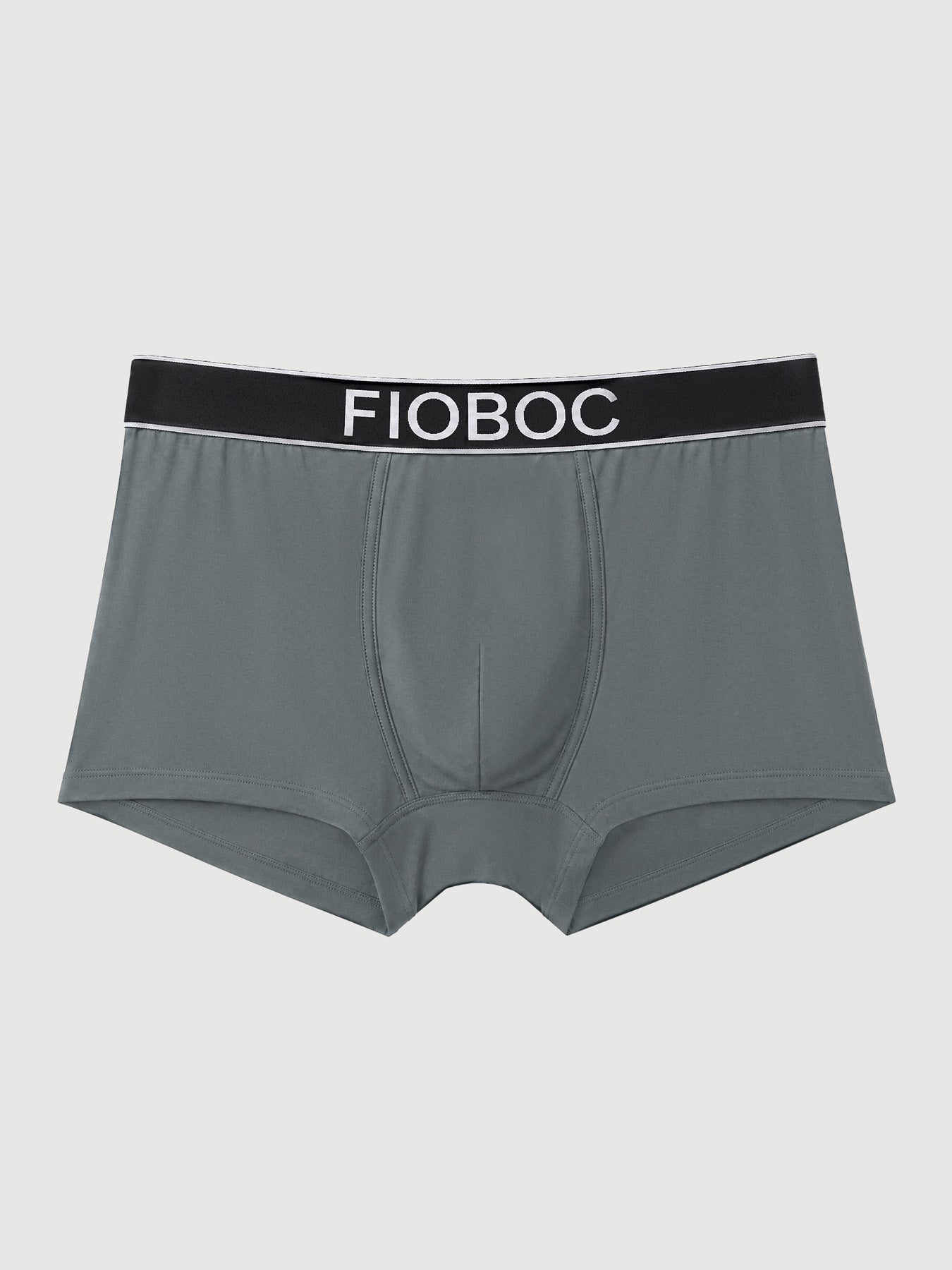








Is Modal Fabric Toxic? Here's the Truth About Safety, Skin Health & Sustainability
Modal fabric shows up everywhere today — in premium T-shirts, underwear, loungewear, performance basics, and luxury essentials. Fioboc uses high-grade Lenzing Modal blends to create breathable, soft, ultra-smooth pieces that customers love. But as modal has grown in popularity, so have questions about its safety.
People search things like:
- Is modal fabric toxic?
- What is modal fabric made of?
- Is modal safe for sensitive skin?
- Is modal processed with harmful chemicals?
This article answers all of those questions clearly and factually. Let's break down what modal is, how it's made, what makes it safe, and why Fioboc uses superior modal blends for comfort and performance.
What Is Modal Fabric? (Quick Explanation)
Modal is a semi-synthetic fiber made from beechwood pulp, derived from natural cellulose. It's known for:
- exceptional softness
- smooth drape
- lightweight feel
- high breathability
- moisture-wicking performance
Modal sits between natural and synthetic fibers — offering the comfort of natural fabrics with the performance of technical materials. When produced responsibly, modal is extremely safe, skin-friendly, and eco-conscious.
But the key phrase is "produced responsibly."
That's where the safety question comes in.
Is Modal Fabric Toxic? The Short Answer: No, High-Quality Modal Is Not Toxic
Modal fabric is not toxic when produced using modern, regulated, environmentally responsible methods.
High-quality modal — especially Lenzing Modal, used in Fioboc's modal-blend collection — goes through a closed-loop production system, meaning:
- chemicals used to dissolve cellulose are captured
- up to 99.6% are recovered and reused
- waste is minimized
- emissions are tightly controlled
This process ensures modal fabric does not retain harmful chemicals and does not expose the wearer to toxins.
So, is modal fabric toxic?
No — not when made by reputable manufacturers like Lenzing.
Let's examine why.
Why People Ask If Modal Is Toxic (The Source of the Misunderstanding)
Concerns about modal toxicity usually come from two misunderstandings:
Misunderstanding #1: Confusion With Viscose/Rayon Production
Traditional viscose/rayon manufacturing (from decades ago) had issues with:
- chemical waste
- high emissions
- environmental contamination
Because modal belongs to the rayon family, some people assume it shares the same problems but Lenzing Modal uses modern, closed-loop technology that avoids these issues entirely.
Misunderstanding #2: Fear of Chemical Processing
Some worry that because modal is "processed," it must contain chemicals.
But all fabrics — including cotton — go through chemical treatments (dyeing, softening, finishing). What matters is whether the chemicals remain on the finished fabric or pose risks.
With high-quality modal:
- chemicals are neutralized or removed
- fibers are thoroughly washed
- residue testing is stringent
- the final fabric is safe and hypoallergenic
Fioboc relies on premium-grade Lenzing Modal to ensure the safest fabric for close-to-skin essentials.

Lenzing Modal (Used in Fioboc): Certified Safe, Non-Toxic & Skin-Friendly
Fioboc uses Lenzing Modal, a trademarked, internationally certified version of modal known for its:
- clean production
- strict environmental standards
- hypoallergenic results
- long-term durability
This fabric is:
Non-toxic
Free of harmful chemical residues.
Hypoallergenic
Ideal for sensitive skin.
OEKO-TEX® Standard 100 certified
Meaning the finished textile is tested and verified safe.
Sustainable
Made from renewable beechwood in controlled forests.
Extremely skin-friendly
Thanks to its smooth fiber structure and natural breathability.
How Lenzing Modal Is Made: Closed-Loop Safety Explained
Understanding production helps explain why Lenzing Modal is non-toxic.
Here's how the process works:
Step 1: Beech Trees Are Harvested Sustainably
Lenzing sources wood from certified, renewable forests.
Step 2: Cellulose Is Extracted
Wood pulp is processed into pure cellulose.
Step 3: Cellulose Is Dissolved in a Non-Toxic Solution
This forms a liquid mixture that can be spun into fibers.
Step 4: Closed-Loop Recovery Begins
In Lenzing's patented system:
- almost all chemicals are recovered
- water is recycled
- emissions are minimized
- no hazardous waste enters the environment
This makes Lenzing Modal far safer than older rayon manufacturing.
Step 5: Fiber Spinning, Washing & Finishing
The fibers are spun, washed multiple times, and finished to ensure:
- no chemical residue
- clean, safe fabric
- silky-soft fiber surface
The finished fabric is exceptionally safe — suitable even for underwear and clothing worn against sensitive skin.
Is Modal Fabric Safe for Skin? Absolutely — Especially for Sensitive Skin
Modal is one of the most skin-friendly fabrics available today, particularly high-grade Lenzing Modal.
Why it's so skin-friendly:
Smooth Fiber Structure
Modal fibers have a perfectly smooth surface — less friction means less irritation.
Breathability
Fresh air circulation prevents moisture buildup and heat irritation.
Moisture-Wicking Performance
Dry fabric = healthier skin.
Hypoallergenic
Modal doesn't contain common irritants.
Cooling Effect
Modal stays cool to the touch, reducing sweat-triggered irritation.
This is exactly why modal is often chosen for underwear, tees, and loungewear — areas that require maximum softness.
Fioboc modal fabric exemplifies all of these benefits.
Does Modal Fabric Emit Toxic Chemicals? No.
A common myth suggests that modal "off-gasses" toxins.
This is false.
Finished Lenzing Modal fabric:
- does not release toxic VOCs
- contains no harmful residues
- passes rigorous safety testing
- is safe for babies, sensitive skin, and prolonged contact
Lenzing Modal is not harmful to the skin or respiratory system.

Environmental Safety: Another Area Where Modal Excels
Beyond being non-toxic to people, modal is also far less toxic to the planet compared to many textiles.
Modal vs. Conventional Cotton:
- cotton requires massive water usage
- cotton fields require pesticides
- cotton farming contributes to soil exhaustion
Lenzing Modal:
- uses renewable wood sources
- requires far less water
- uses a closed-loop chemical system
- produces minimal waste
This makes modal one of the more eco-friendly mainstream fabrics on the market.
Fioboc's modal-blend essentials align with this sustainability philosophy.
Is Modal Toxic When Heated, Sweated In, or Washed?
No. Modal remains stable and safe under:
- body heat
- physical activity
- sweat exposure
- machine washing
- warm environments
It does not break down into harmful substances.
This makes modal ideal for:
- performance basics
- underwear
- warm climates
- all-day wear
- travel
Fioboc modal pieces maintain their softness and safety even after repeated washing.
Who Should Choose Modal Fabric?
Modal is ideal for:
People with sensitive skin
Soft, hypoallergenic fibers minimize irritation.
Those who run warm or sweat easily
Modal wicks moisture and keeps skin dry.
People who prefer eco-friendly fabrics
Sustainable production + renewable resources.
Anyone who wants long-lasting comfort
Modal maintains softness, shape, and color.
Those who love elevated basics
Fioboc's modal-blend collection offers the smooth drape and modern fit that modal is known for.
When Is Modal Not Safe? (Important Clarification)
The only scenario where modal becomes questionable is when it is:
- produced cheaply
- produced without closed-loop systems
- produced by unregulated manufacturers
- blended with unknown synthetic additives
These low-quality versions may contain residue or inconsistent fibers.
Fioboc does NOT use these materials.
Fioboc relies on a premium, certified Lenzing Modal, ensuring full safety and performance.
Is Modal Fabric Toxic to Wear?
No. High-quality modal, especially Lenzing Modal, is completely safe and non-toxic.
What Is Modal Fabric Made of, and Is It Harmful?
It's made from beechwood pulp. The fabric is thoroughly processed and washed, leaving no harmful residues.
Can Modal Irritate Sensitive Skin?
Modal is actually one of the best fabrics for sensitive skin due to its smooth fibers and breathability.
Is Modal Toxic for the Environment?
Responsible modal production, such as Lenzing Modal, uses renewable resources and closed-loop systems, making it eco-friendly.
Does Modal Contain Chemicals?
Chemicals are used in production, but almost all are recovered and removed. The final textile is safe and certified.
Is Modal Underwear or Clothing Safe for Daily Wear?
Yes. Modal is ideal for daily wear because it's breathable, soft, moisture-wicking, and hypoallergenic.
Conclusion
So, is modal fabric toxic?
No — high-quality, responsibly produced modal is completely safe, skin-friendly, and environmentally responsible.
Fioboc uses premium Lenzing Modal, ensuring every modal-blend tee, jogger, or underwear piece delivers:
- buttery softness
- breathability
- moisture control
- skin-safe comfort
- sustainable performance
If you want premium essentials that feel good, drape beautifully, and remain gentle on your body and the planet, explore Fioboc's modal-blend collection.