Whether you're training for a marathon, jogging around the neighborhood, or squeezing in a quick workout before work, the clothes you wear can significantly impact your performance. One of the most important features to look for in running apparel is moisture management. That's why moisture wicking running clothes have become a must-have for runners of all levels.
By pulling sweat away from your skin and helping it evaporate quickly, moisture-wicking fabrics keep you cooler, drier, and more comfortable throughout your run. In this guide, we'll explain how moisture-wicking technology works, what materials perform best, and how to choose the right running apparel for different weather conditions.
Running naturally raises your body temperature and causes sweating. While sweating helps cool your body, damp clothing can create discomfort and even affect performance.
High-quality moisture wicking running clothes help by:
- Moving sweat away from the skin
- Accelerating evaporation
- Reducing chafing and irritation
- Preventing heavy, soaked fabrics
- Helping regulate body temperature
Instead of feeling weighed down by sweat, runners can stay focused on pace, distance, and performance.
Unlike traditional cotton, which absorbs and holds moisture, moisture-wicking fabrics are designed to transport sweat from the skin to the outer surface of the garment.
This process involves two steps:
Sweat Transfer
The fabric pulls moisture away from your skin through capillary action.
Fast Evaporation
The moisture spreads across the outer surface of the garment where it evaporates more quickly.
The result is a dry, lightweight feeling even during intense workouts.
This is why experienced runners often consider moisture wicking running clothes essential rather than optional.
Not all fabrics handle sweat equally. Understanding fabric performance can help you build a better running wardrobe.
Polyester
Polyester remains one of the most common materials used in moisture wicking running clothes because it is:
- Lightweight
- Durable
- Quick-drying
- Easy to maintain
Modern performance polyester fabrics often include ventilation zones and stretch properties for enhanced comfort.
Modal
Many runners overlook Modal, but it offers several unique advantages.
Modal fabric is:
- Exceptionally soft
- Breathable
- Lightweight
- Naturally moisture-managing
- Comfortable against sensitive skin
For easy runs, recovery days, walking, and casual athletic wear, Modal can provide superior comfort while still helping manage sweat.
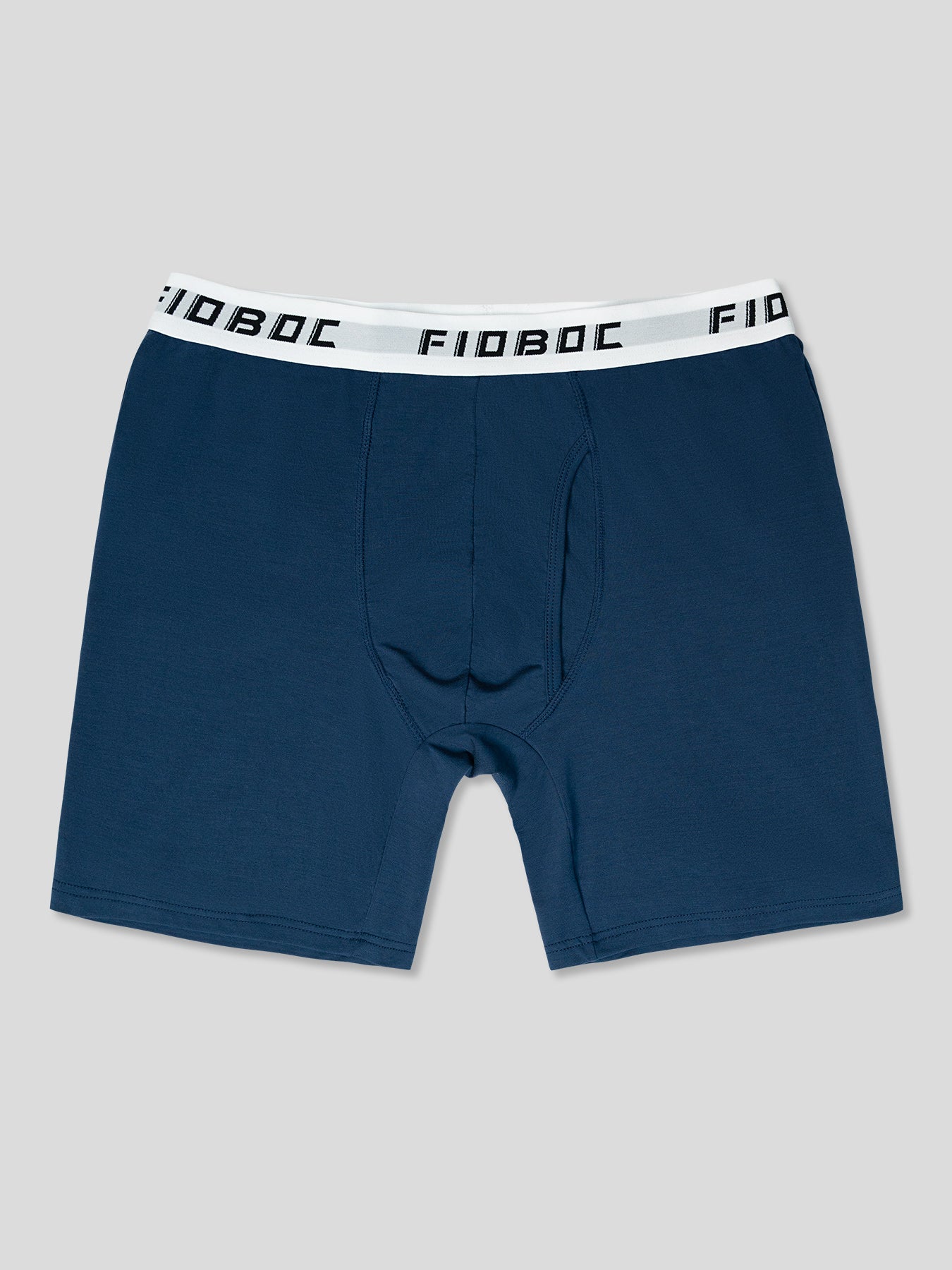
Fioboc's Modal-based performance pieces are designed to combine softness with functionality, making them a versatile choice for runners who prioritize comfort.
Polyester-Modal Blends
One increasingly popular option combines the softness of Modal with the quick-drying performance of polyester.
These blended fabrics offer:
- Improved breathability
- Better moisture management
- Enhanced comfort
- Greater flexibility for movement
For many runners, this combination represents some of the best moisture-wicking clothes for running available today.
Choosing the right running apparel involves more than simply reading the fabric label.
Lightweight Construction
Heavy garments can trap heat and moisture. Look for lightweight fabrics that allow airflow.
Breathability
Mesh panels and ventilation zones improve cooling and help moisture evaporate faster.
Stretch and Mobility
Running requires unrestricted movement. Fabrics with four-way stretch improve comfort and performance.
Flat Seams
Flatlock seams help reduce friction and minimize chafing during long runs.
Quick-Dry Performance
The best moisture wicking running clothes dry rapidly after sweating, rain exposure, or post-workout washing.
Summer Running
Hot weather demands maximum breathability.
Choose:
- Lightweight performance T-shirts
- Sleeveless running tops
- Quick-dry shorts
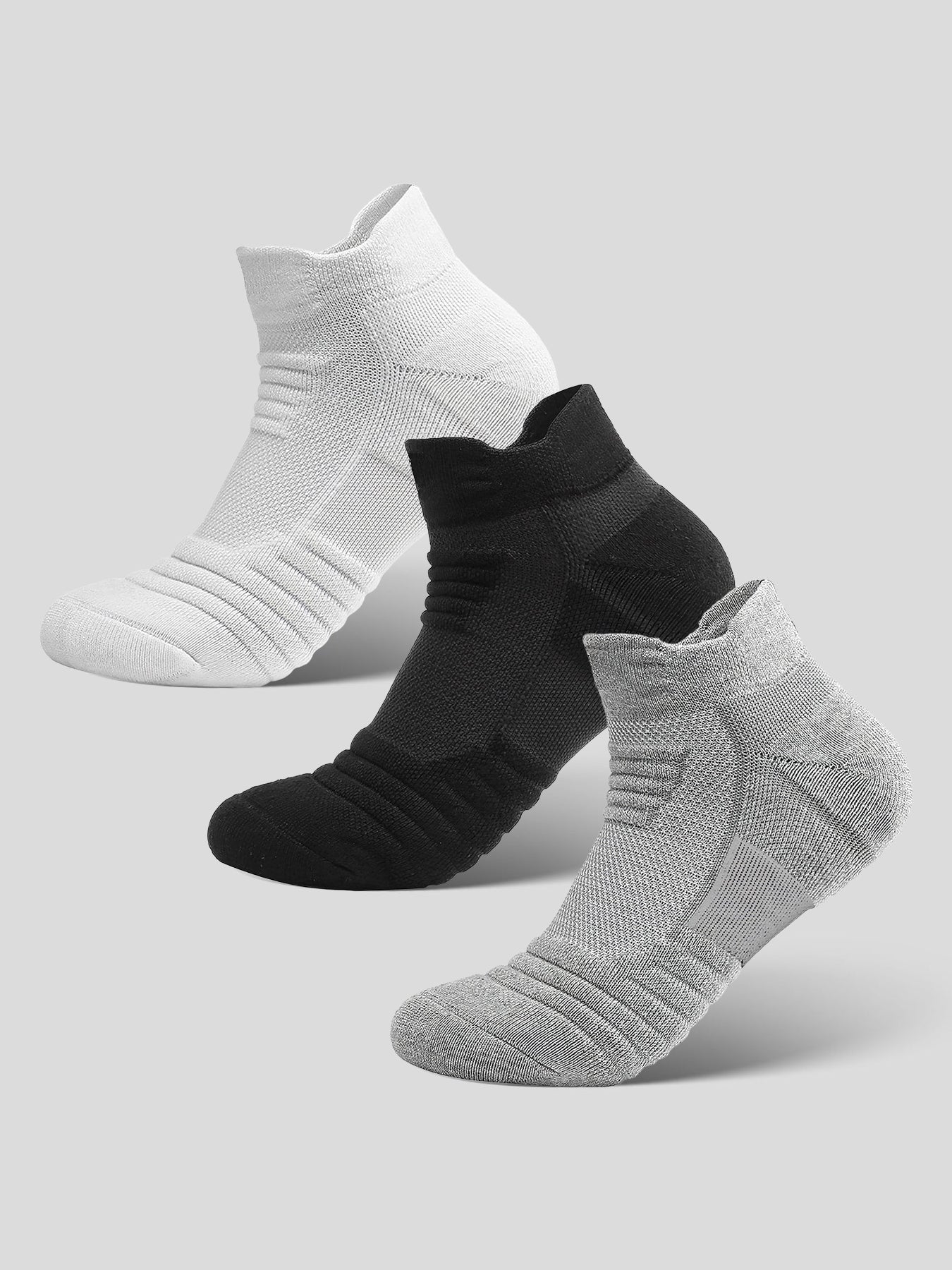
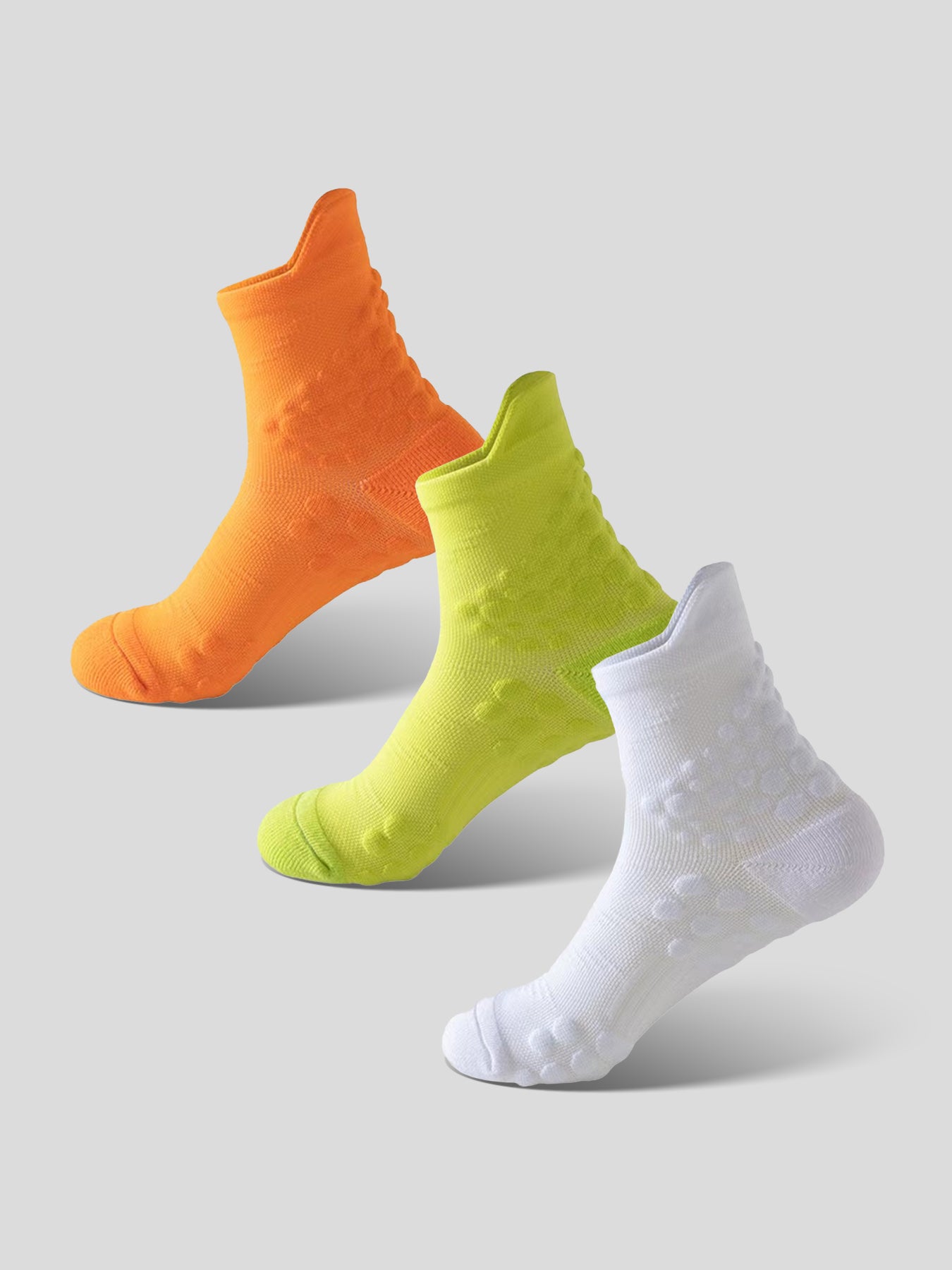
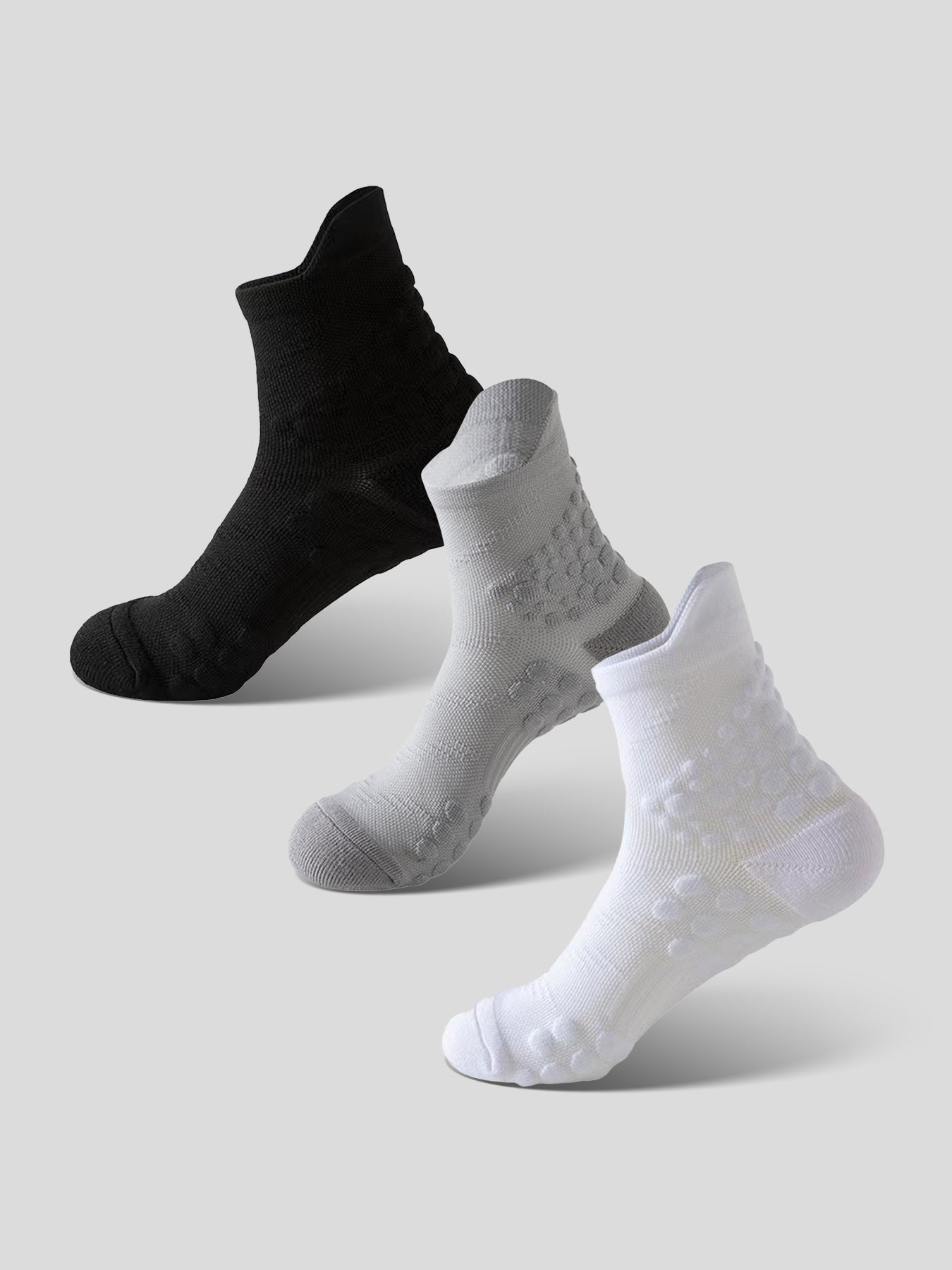
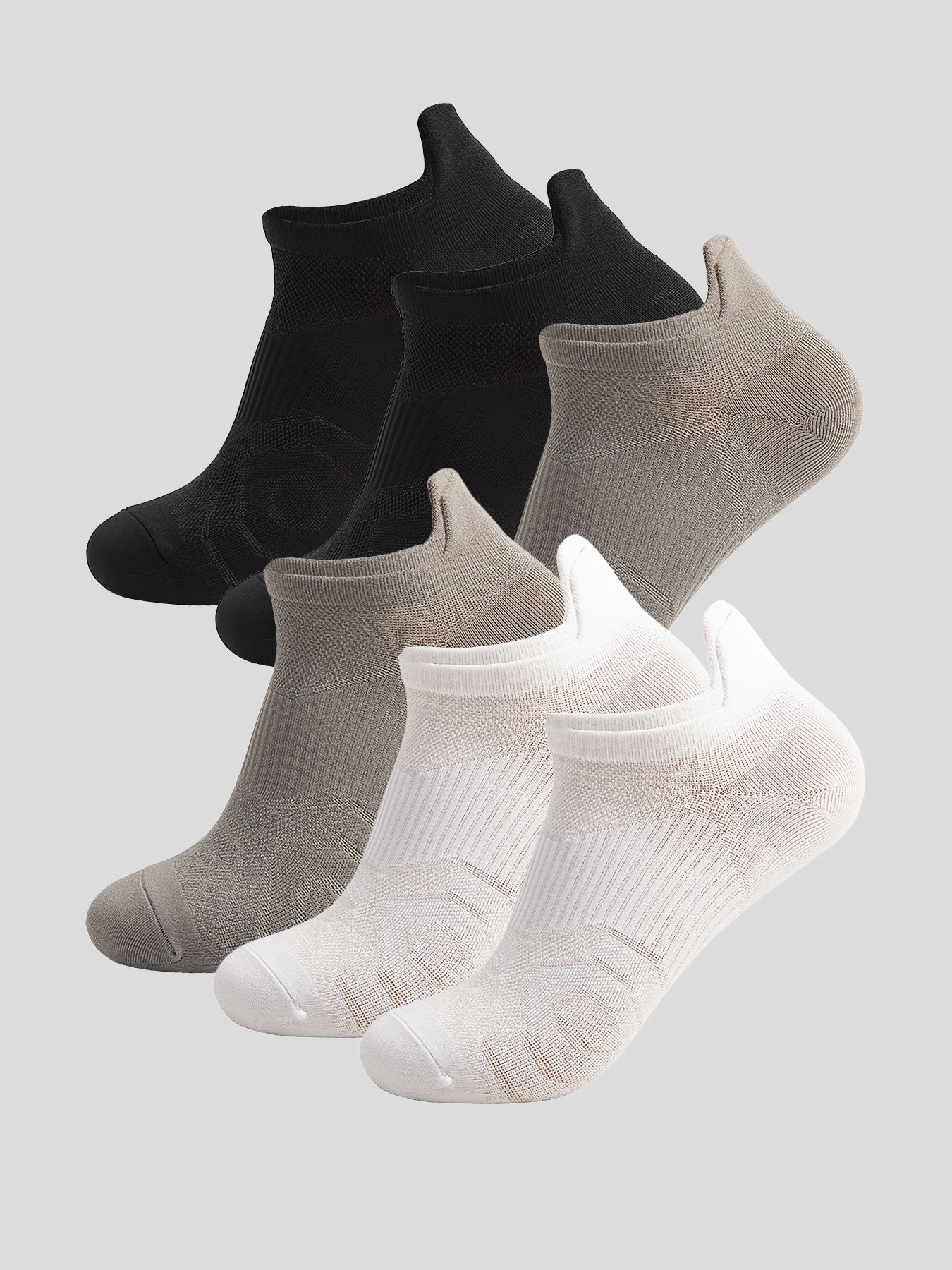
- Breathable socks
This is where high-performance moisture wicking running clothes make the biggest difference.
Spring and Fall Running
Layering becomes important as temperatures fluctuate.
Good options include:
- Moisture-wicking base layers
- Lightweight long-sleeve shirts
- Performance joggers
- Thin running jackets
Winter Running
Even in cold weather, sweat management matters.
Wear:
- Moisture-wicking base layers
- Thermal mid-layers
- Wind-resistant outer layers
Avoid cotton because trapped moisture can increase heat loss in cold conditions.
Wearing Cotton Shirts
Cotton absorbs moisture and dries slowly, often leaving runners feeling damp and uncomfortable.
Ignoring Fit
Clothing that is too tight may restrict airflow, while overly loose garments can cause friction.
Layering Incorrectly
Too many layers can trap heat and reduce the effectiveness of your moisture wicking running clothes.
Choosing Fashion Over Function
While style matters, performance should remain the priority when selecting running apparel.
A practical running wardrobe doesn't need to be complicated.
Consider including:
- 3–5 moisture-wicking running shirts
- 2–3 pairs of running shorts
- 1–2 pairs of performance joggers
- A lightweight running jacket
- Breathable socks
- A moisture-managing base layer
Many runners find that investing in quality moisture wicking running clothes improves comfort enough to make training more enjoyable and consistent.
The growing popularity of performance apparel isn't just a trend. Runners have realized that proper moisture management directly affects comfort and endurance.
Today's best moisture-wicking clothes for running combine advanced fabric technology with lightweight construction, stretch, and durability. Whether you're logging your first mile or preparing for a race, staying dry can help you stay focused.
Brands like Fioboc offer performance-oriented options that combine quick-drying technology with soft Modal fabrics, giving runners a balance of comfort and functionality suitable for daily training, travel, and active lifestyles.
The right apparel can transform your running experience. Moisture wicking running clothes help keep sweat under control, reduce discomfort, and support better temperature regulation throughout your workout.
When shopping for running gear, prioritize breathable fabrics, quick-dry performance, and comfortable construction. Whether you prefer technical polyester, soft Modal, or innovative fabric blends, choosing quality moisture wicking running clothes can help you stay comfortable mile after mile.