







La mejor tela para personas que sudan: Por qué las telas que absorben la humedad marcan la diferencia
Si sudas con facilidad, sabes lo incómoda que puede ser la ropa equivocada. Un simple paseo al aire libre, un trayecto ajetreado o un entrenamiento pueden dejar tu camiseta húmeda, pegajosa y pesada. La buena noticia es que elegir la tela adecuada para absorber la humedad puede mejorar drásticamente tu comodidad durante todo el día.
A diferencia del algodón tradicional, que tiende a absorber y retener la humedad, las modernas telas que absorben la humedad están diseñadas para alejar el sudor de la piel para que se evapore rápidamente. Ya sea que estés haciendo ejercicio, viajando, yendo al trabajo o simplemente lidiando con el calor, la tela adecuada te ayuda a mantenerte más fresco, seco y seguro.
En esta guía, explicaremos qué es la tela que absorbe la humedad, cómo funciona, qué materiales rinden mejor y cómo elegir la ropa adecuada si eres de los que sudan más de lo normal.
¿Qué es la tela que absorbe la humedad?
La tela que absorbe la humedad está diseñada para transportar el sudor de la piel a la superficie exterior de la prenda, donde se extiende y se evapora mucho más rápido que las telas normales.
En lugar de atrapar la humedad junto a tu cuerpo, la tela que absorbe la humedad utiliza fibras especializadas y estructuras de tela que crean pequeños canales para mover el líquido a través de la acción capilar.
El resultado es:
- Menos sudor pegado a la piel
- Secado más rápido
- Mejor flujo de aire
- Mejor regulación de la temperatura
- Mayor comodidad durante todo el día
Ya sea que estés haciendo recados o corriendo un maratón, la tela que absorbe la humedad ayuda a prevenir esa incómoda sensación de camisa empapada.
Por qué el algodón normal no siempre es la mejor opción
El algodón es suave y transpirable, pero es muy absorbente.
Cuando sudas mucho, el algodón absorbe la humedad y la retiene dentro de las fibras en lugar de liberarla rápidamente. Esto a menudo lleva a:
- Ropa pesada
- Tiempos de secado más largos
- Incomodidad pegajosa
- Rozaduras
- Acumulación de olores
Por eso, los atletas, excursionistas, viajeros y personas que viven en climas cálidos a menudo prefieren las telas que absorben la humedad al algodón tradicional para el uso diario.
Las mejores opciones de tela para absorber la humedad
No todas las telas que absorben la humedad tienen el mismo rendimiento. Así es como se comparan las opciones más populares.
Poliéster
El poliéster sigue siendo una de las opciones de tela que absorbe la humedad más comunes porque:
- Se seca extremadamente rápido
- Resiste el encogimiento
- Mantiene bien su forma
- Es ligero
- Funciona bien durante los entrenamientos
Muchas camisetas de alto rendimiento combinan poliéster con elastano para mayor elasticidad.
Ideal para:
- Entrenamientos en el gimnasio
- Correr
- Senderismo
- Deportes al aire libre
Nailon
El nailon es más suave que el poliéster y ofrece una excelente gestión de la humedad.
Los beneficios incluyen:
- Tacto suave
- Excelente durabilidad
- Alta resistencia a la abrasión
- Rápida evaporación de la humedad
- Estiramiento cómodo
Muchas marcas de ropa deportiva de primera calidad utilizan mezclas de nailon porque se sienten menos "plásticas" sobre la piel.
Mezclas de bambú
Las telas derivadas del bambú se han vuelto cada vez más populares como material cómodo para absorber la humedad.
Las ventajas incluyen:
- Naturalmente suave
- Transpirable
- Gestión de la humedad
- Resistente a los olores
- Cómodo para pieles sensibles
Las mezclas de bambú de primera calidad a menudo combinan bambú con fibras de alto rendimiento para mejorar la durabilidad y un secado más rápido.
Lana merino
Sorprende a muchas personas que la lana pueda ser una de las mejores telas para absorber la humedad.
La lana merino:
- Aleja la humedad de la piel
- Regula la temperatura corporal
- Resiste naturalmente los olores
- Funciona tanto en climas cálidos como fríos
Es especialmente popular entre los excursionistas y viajeros que usan la misma ropa durante varios días.
Telas de alto rendimiento mezcladas
La ropa moderna de alto rendimiento a menudo combina varias fibras para maximizar la comodidad.
Por ejemplo:
- Nailon + Spandex
- Poliéster + Elastano
- Bambú + Nailon
- Modal + Poliéster
Estas telas que absorben la humedad están diseñadas para equilibrar la suavidad, la elasticidad, la durabilidad y el secado rápido.
Cómo funciona realmente el tejido que absorbe la humedad
La ciencia detrás del tejido que absorbe la humedad es sorprendentemente simple.
Cuando tu cuerpo suda:
- El sudor sale de tu piel.
- Fibras especializadas empujan la humedad hacia afuera.
- La humedad se extiende por una superficie más grande.
- El flujo de aire acelera la evaporación.
- Tu piel permanece notablemente más seca.
Este proceso continuo ayuda a tu cuerpo a regular la temperatura de manera más eficiente, especialmente durante el ejercicio o el clima cálido.
¿Quiénes se benefician más del tejido que absorbe la humedad?
Casi todo el mundo puede beneficiarse del tejido que absorbe la humedad, pero es especialmente útil si:
- Sudas mucho
- Haces ejercicio regularmente
- Viajas al trabajo en clima cálido
- Viajas con frecuencia
- Trabajas al aire libre
- Vives en climas húmedos
- Experimentas sudores nocturnos
Incluso para los trabajadores de oficina, usar telas que absorben la humedad debajo de un blazer o una chaqueta ligera puede mejorar la comodidad durante largas jornadas laborales.
Características a buscar además de la absorción de humedad
No todas las camisetas etiquetadas como "de alto rendimiento" ofrecen la misma experiencia.
Busca características adicionales como:
Tecnología de secado rápido
Las telas de secado rápido aceleran la evaporación incluso después de sudar mucho.
Estiramiento en cuatro direcciones
Las telas elásticas mejoran la movilidad manteniendo la forma.
Transpirabilidad
La construcción de malla o el tejido ligero mejora el flujo de aire.
Resistencia al olor
Algunas telas que absorben la humedad incorporan tecnología antimicrobiana para reducir la acumulación de olores.
Resistencia a las arrugas
Especialmente valioso para viajes y vestuario casual de negocios.

Elegir la ropa adecuada que absorbe la humedad para el día a día
Las telas de alto rendimiento ya no son solo para atletas.
La ropa casual premium de hoy combina comodidad con un estilo pulcro.
Para el uso diario, busca prendas como:
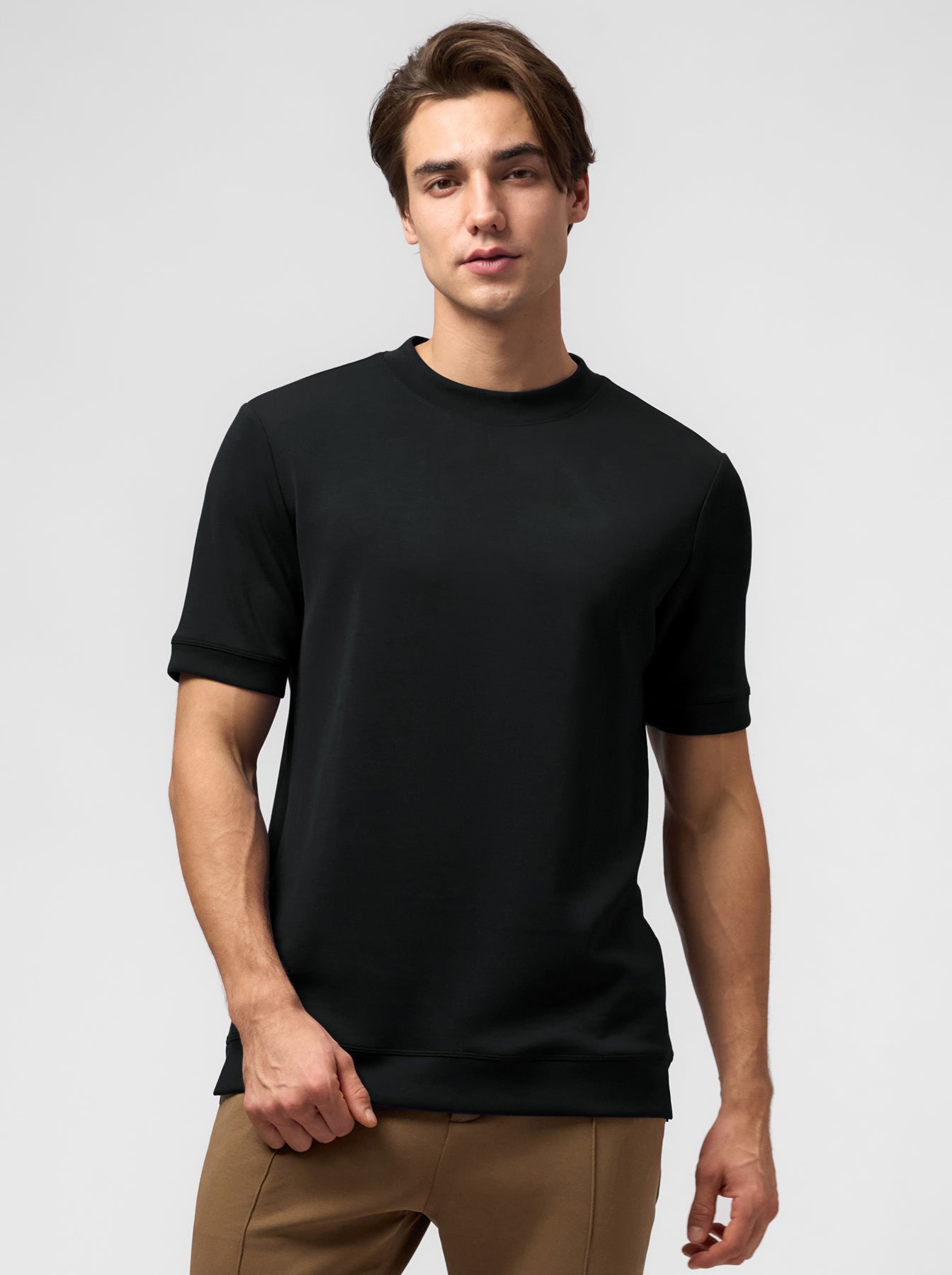
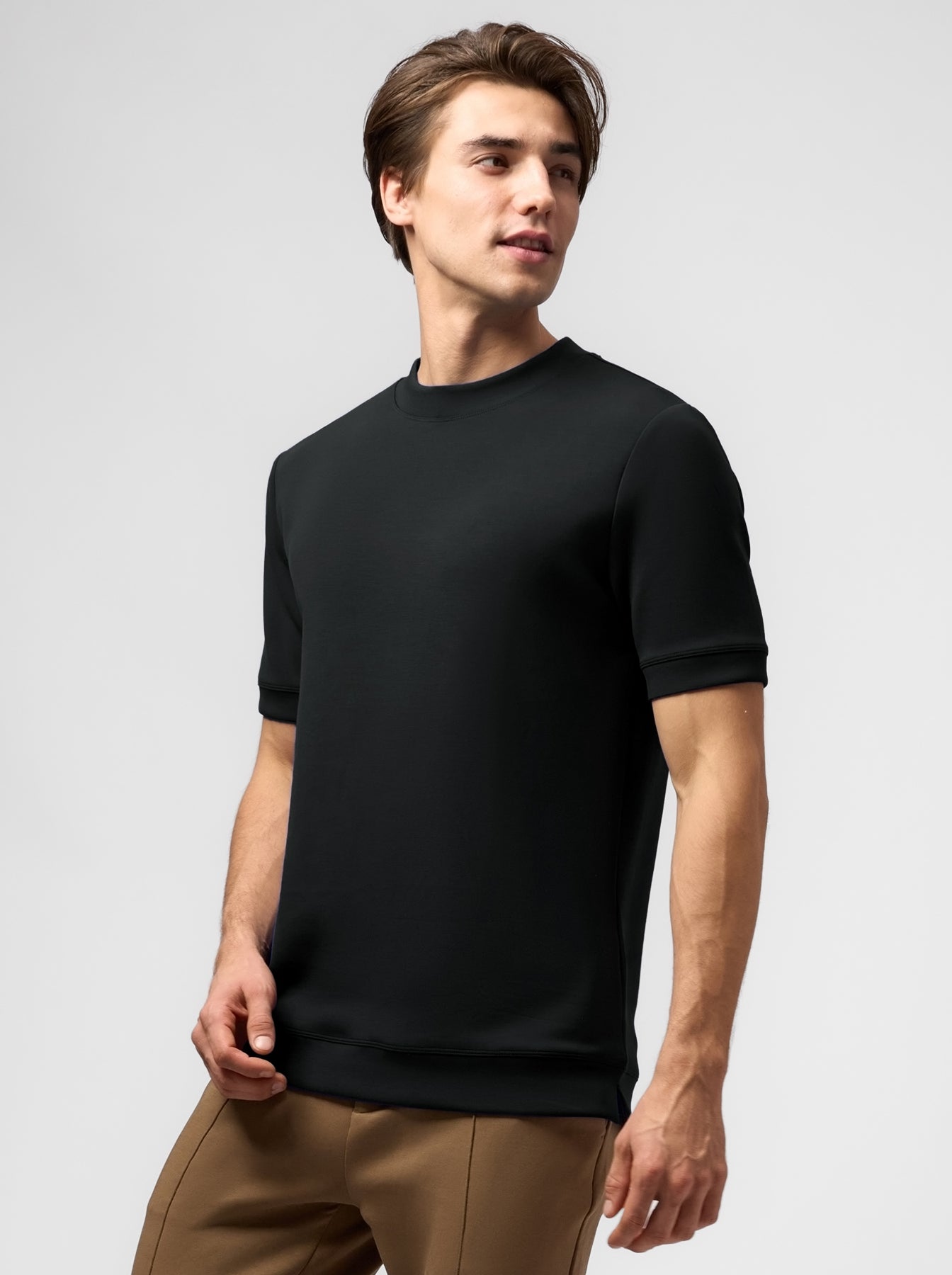
- Camisetas que absorben la humedad
- Polos de alto rendimiento
- Pantalones jogger ligeros
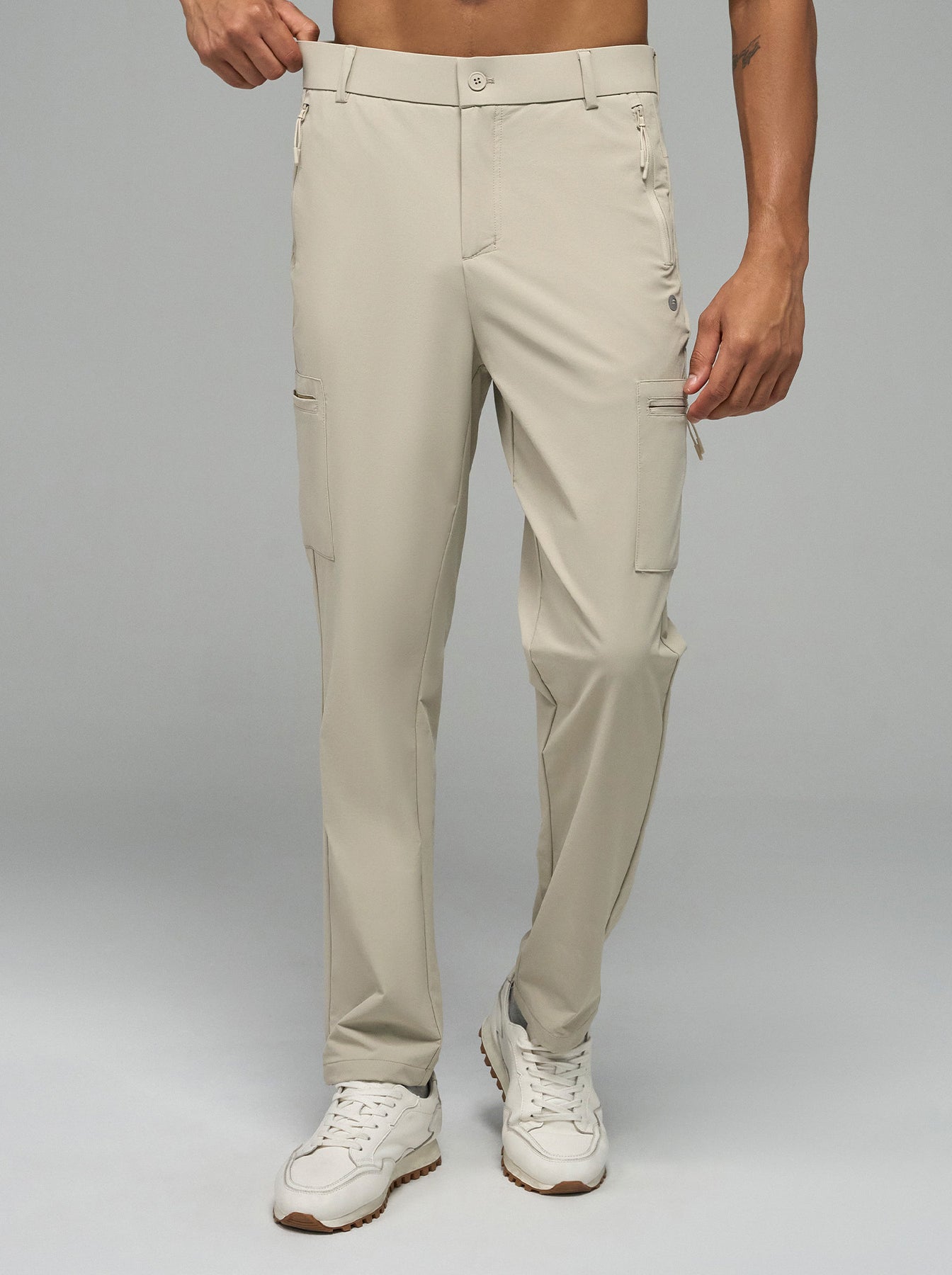
- Pantalones de viaje
- Pantalones chinos elásticos
- Pantalones cortos de secado rápido
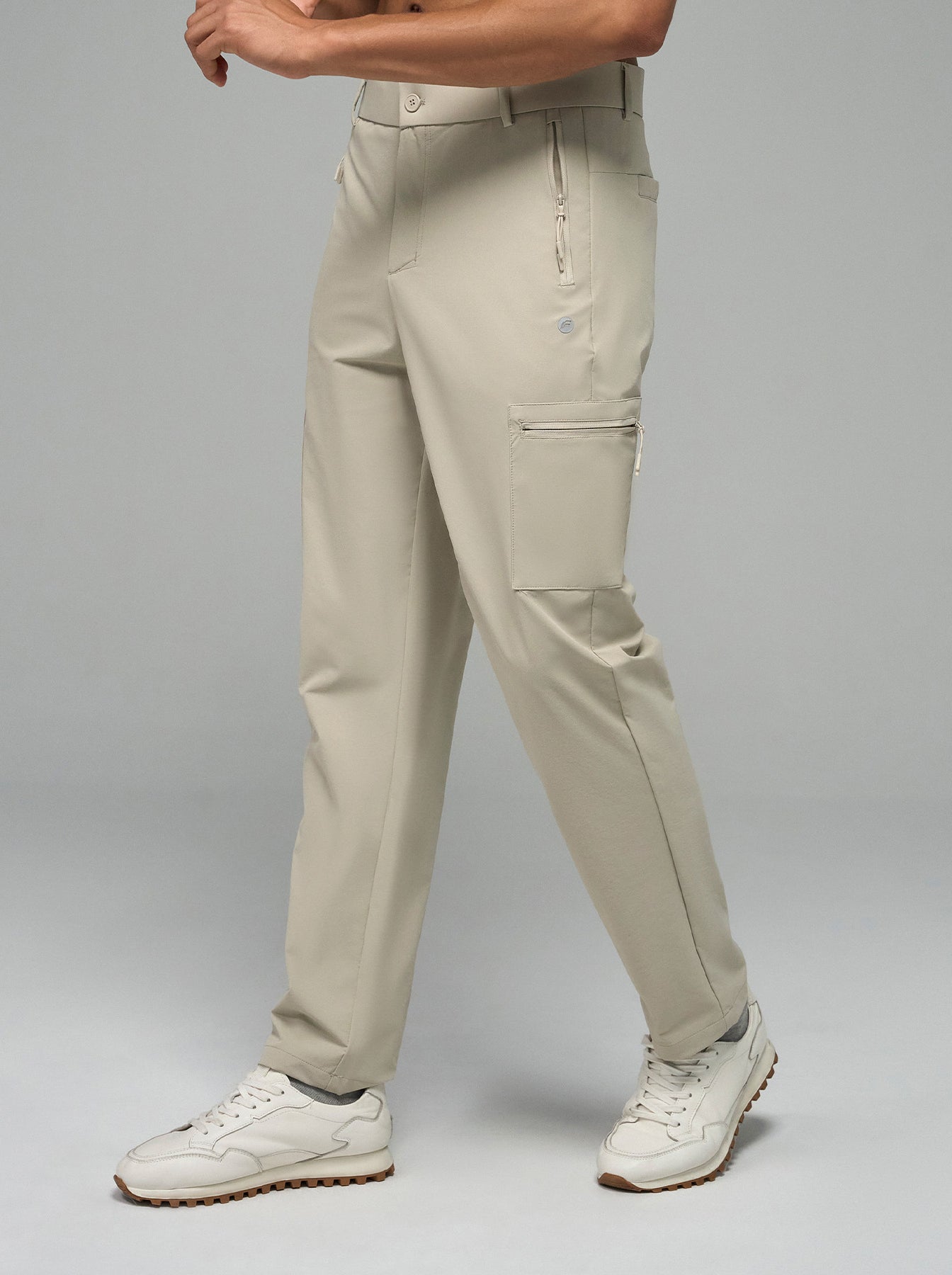
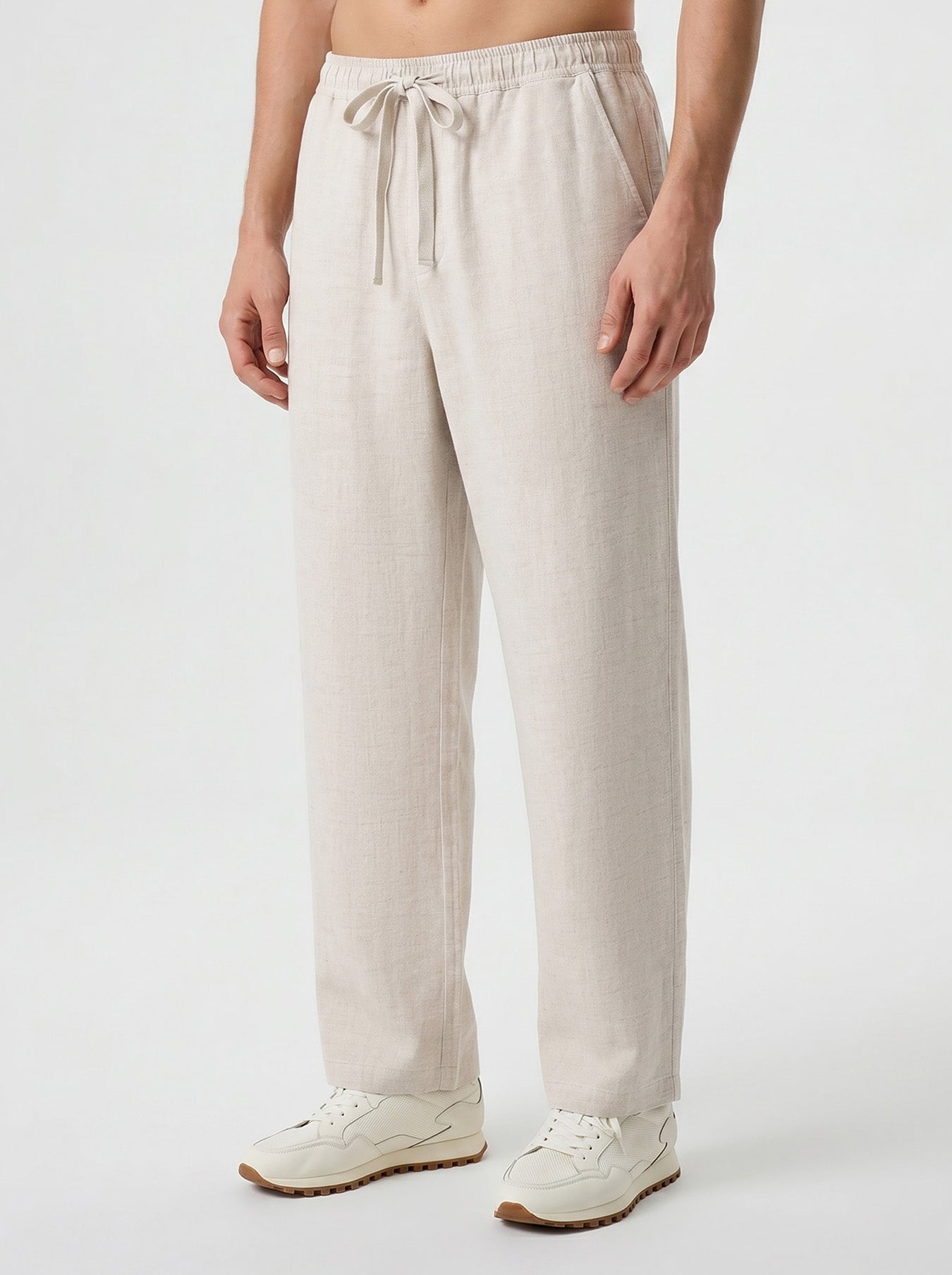
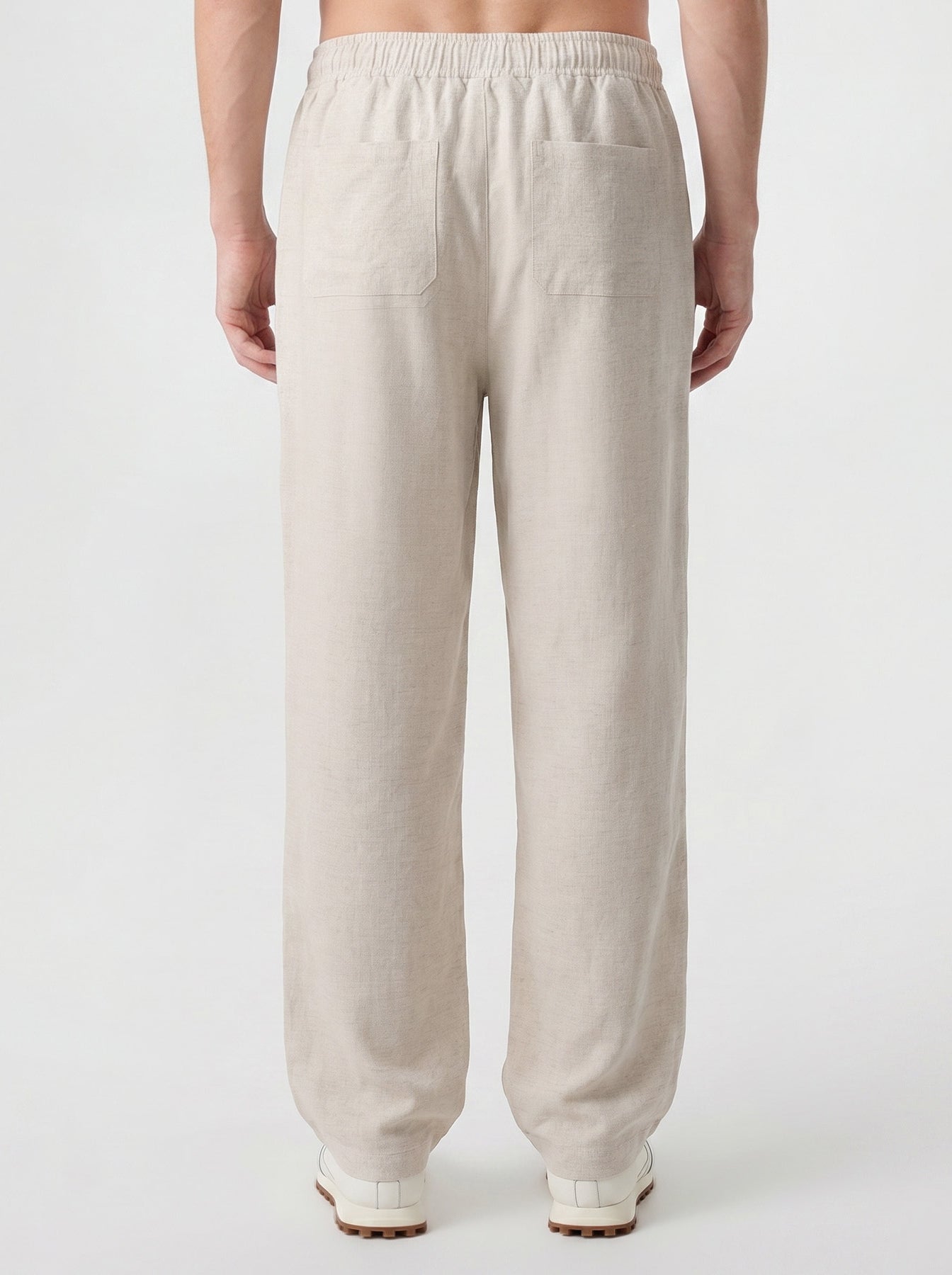
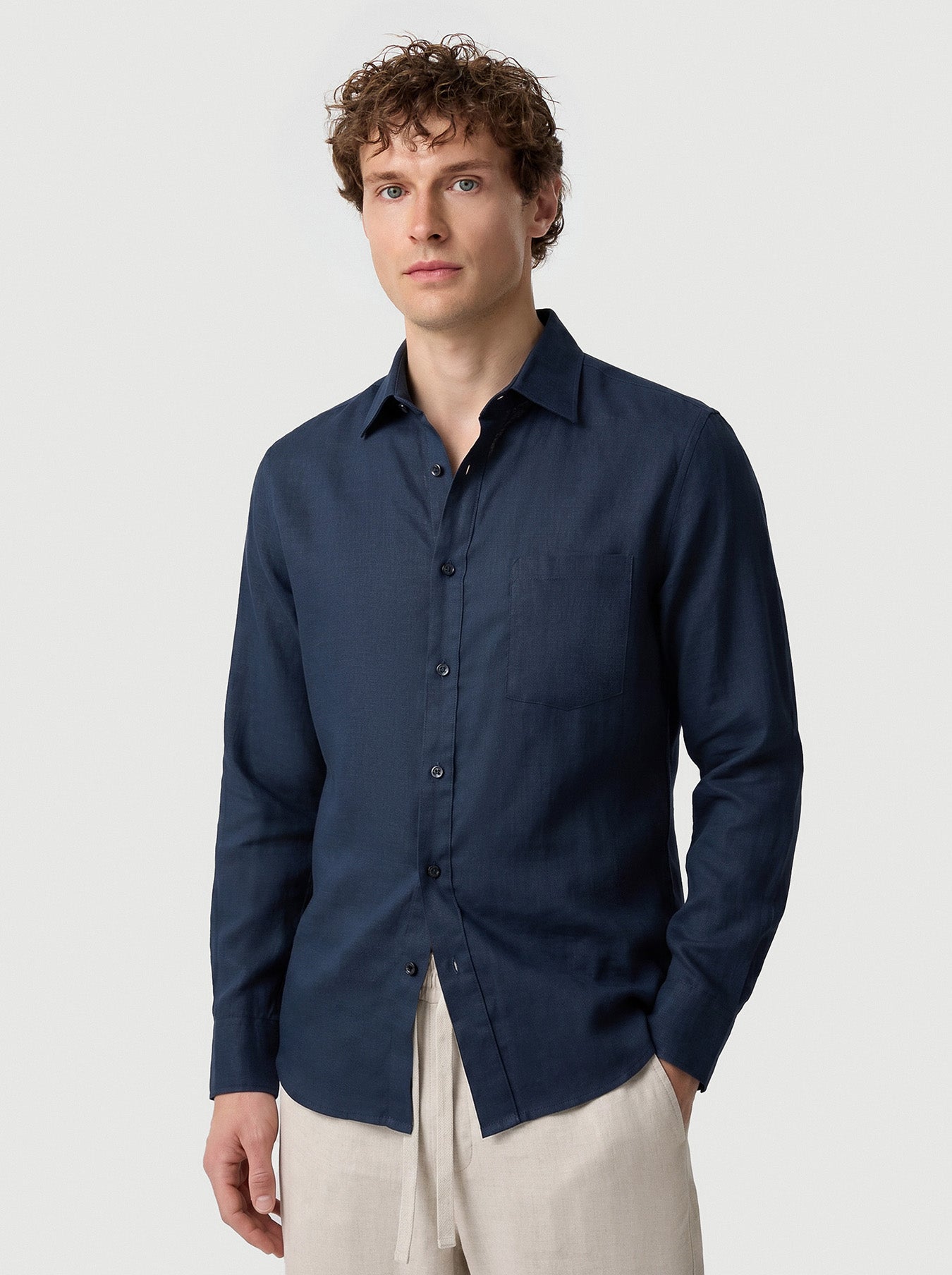
Marcas como Fioboc han adoptado este cambio al incorporar tecnologías de gestión de la humedad en la ropa casual. En lugar de parecer excesivamente deportivas, estas prendas ofrecen la comodidad de la ropa deportiva manteniendo una apariencia limpia y cotidiana, ideal para ir al trabajo, viajar o para salidas de fin de semana.
Cómo cuidar los tejidos que absorben la humedad
El cuidado adecuado ayuda a preservar el rendimiento de tu ropa.
Sigue estos consejos:
- Lavar en agua fría.
- Evitar suavizantes de tela, que pueden obstruir las fibras.
- Usar detergente suave.
- Secar al aire cuando sea posible o en secadora a baja temperatura.
- Evitar planchar en exceso.
Estos sencillos hábitos ayudan a mantener la eficacia de tu tejido que absorbe la humedad durante muchas temporadas.
¿Es el tejido que absorbe la humedad mejor que el algodón?
Para las personas que sudan con frecuencia, sí. El tejido que absorbe la humedad se seca mucho más rápido que el algodón y mantiene la piel más seca durante la actividad.
¿El tejido que absorbe la humedad reduce la sudoración?
No. No impide que tu cuerpo sude, simplemente gestiona la humedad de manera más eficiente, haciéndote sentir más fresco y cómodo.
¿Cuál es el mejor tejido que absorbe la humedad para el uso diario?
Las telas mezcladas que combinan nailon, poliéster, bambú o modal con una pequeña cantidad de fibra elástica suelen ofrecer el mejor equilibrio entre suavidad, durabilidad y gestión de la humedad.
¿Pueden los tejidos que absorben la humedad ayudar con el olor?
Muchos tejidos de primera calidad que absorben la humedad incluyen tecnologías antimicrobianas o resistentes al olor que ayudan a reducir el crecimiento de bacterias que causan el mal olor.
Consideraciones finales
Si mantenerse fresco y cómodo es una prioridad, invertir en tejidos que absorben la humedad es una de las mejoras más inteligentes que puedes hacer a tu guardarropa.
El mejor tejido que absorbe la humedad no solo elimina el sudor, sino que también mejora la comodidad, reduce el olor, se seca rápidamente y ayuda a regular la temperatura corporal durante todo el día.
Ya sea que prefieras poliéster, nailon, mezclas de bambú, lana merino o textiles de alto rendimiento avanzados, los tejidos que absorben la humedad de hoy ofrecen soluciones para casi todos los estilos de vida. Al elegir tejidos de alta calidad que absorben la humedad, pasarás menos tiempo preocupándote por el sudor y más tiempo disfrutando de lo que te depare el día.