







¿Es mala la tela sin arrugas? Eligiendo telas más inteligentes
Ya sea que estés empacando para un viaje, yendo a la oficina o simplemente tratando de reducir el tiempo de planchado, la tela sin arrugas se ha vuelto una opción cada vez más popular. La ropa que sale de la secadora con un aspecto pulcro y lista para usar es conveniente, pero también ha planteado preguntas.
¿Es realmente segura la tela sin arrugas? ¿Contiene químicos dañinos? ¿Es mejor que las telas naturales? ¿Y cómo se compara con las telas resistentes a las arrugas?
La respuesta corta es que no todas las telas sin arrugas son iguales. Algunas se basan en tratamientos químicos, mientras que otras logran la resistencia a las arrugas mediante la selección de fibras, la construcción del hilo o las mezclas de tejidos. Comprender la diferencia puede ayudarte a tomar decisiones más inteligentes al comprar ropa.
En esta guía, explicaremos cómo funciona la tela sin arrugas, si es mala y qué buscar al comprar ropa sin arrugas.
¿Qué es la tela sin arrugas?
La tela sin arrugas se refiere a los textiles diseñados para resistir las arrugas y mantener una apariencia suave con poco o ningún planchado.
Hay dos formas comunes en que los fabricantes crean telas sin arrugas:
- Aplicando acabados resistentes a las arrugas a fibras naturales como el algodón.
- Utilizando fibras que resisten naturalmente las arrugas, como poliéster, modal, nailon o mezclas de telas cuidadosamente diseñadas.
El objetivo es el mismo: mantener las prendas con un aspecto pulcro durante todo el día, reduciendo el mantenimiento.
¿Es mala la tela sin arrugas?
La respuesta depende de cómo la tela se vuelve sin arrugas, no simplemente de la etiqueta.
Hace años, muchas prendas sin arrugas eran tratadas con resinas a base de formaldehído para ayudar al algodón a mantener su forma. Esos tratamientos generaron preocupaciones sobre irritación de la piel y exposición a químicos.
Hoy en día, sin embargo, la tecnología textil ha mejorado significativamente. Muchos fabricantes ahora usan acabados con bajo formaldehído o sin formaldehído, y algunos confían en la ingeniería de tejidos en lugar de tratamientos químicos fuertes.
Como resultado, la tela moderna sin arrugas es generalmente mucho más segura y cómoda que las generaciones anteriores de textiles sin arrugas.
En lugar de asumir que cada prenda sin arrugas es dañina, vale la pena verificar cómo se fabricó la tela y si la marca sigue los estándares de seguridad textil reconocidos.
Sin arrugas vs. Resistente a las arrugas: ¿Cuál es la diferencia?
Aunque los términos a menudo se usan indistintamente, existe una sutil diferencia.
Tela sin arrugas
Una tela sin arrugas está diseñada para recuperarse rápidamente de los pliegues y mantener una apariencia recién planchada, incluso después de lavarla o empacarla.
Telas resistentes a las arrugas
Las telas resistentes a las arrugas simplemente reducen la formación de arrugas. Pueden requerir un planchado ligero u ocasional con vapor, pero se arrugan mucho menos que las telas sin tratar.
En la práctica, muchas marcas de ropa utilizan ambos términos para productos similares, y la diferencia a menudo se basa en el marketing más que en una definición técnica estricta.


¿Cómo funciona la tela sin arrugas?
Una tela sin arrugas puede lograr su rendimiento de varias maneras.
Acabados químicos
Los tratamientos de acabado especiales ayudan a las fibras a retener su forma después de doblarlas o lavarlas.
Las tecnologías de acabado modernas son generalmente más duraderas y significativamente más seguras que los tratamientos antiguos.
Selección de fibras
Algunas fibras se arrugan naturalmente menos que otras.
Los ejemplos incluyen:
- Modal
- Poliéster
- Nailon
- TENCEL™ Lyocell
- Mezclas de tejidos de alto rendimiento
Debido a que estas fibras se recuperan rápidamente después de ser dobladas, contribuyen naturalmente a los tejidos resistentes a las arrugas.
Construcción del tejido
La estructura del tejido también importa.
Los tejidos de punto generalmente se recuperan más fácilmente que los tejidos muy apretados, mientras que los hilos mezclados a menudo mejoran la flexibilidad y la recuperación de las arrugas.
Esta es una de las razones por las que muchos materiales modernos resistentes a las arrugas combinan fibras naturales y de alto rendimiento en lugar de depender de un solo tipo de fibra.
¿Son mejores los tejidos naturales?
Mucha gente asume que las fibras 100% naturales son siempre la mejor opción.
En realidad, cada tejido implica compromisos.
Algodón
Pros
- Suave
- Transpirable
- Natural
Contras
- Se arruga fácilmente
- Puede requerir planchado frecuente
Lino
Pros
- Fresco y transpirable
- Excelente para climas cálidos
Contras
- Se arruga muy fácilmente
Modal
Pros
- Suave
- Ligero
- Mejor recuperación de arrugas que el algodón tradicional
- Cómodo para el uso diario
Ningún tejido es perfecto. La mejor elección depende de cómo planeas usar y cuidar tu ropa.
¿Deberías evitar las telas sin arrugas?
Para la mayoría de la gente, no.
Las telas modernas sin arrugas pueden ser una excelente opción si:
- Viajas con frecuencia
- Usas ropa casual de negocios
- Quieres prendas de bajo mantenimiento
- Prefieres ropa que se vea impecable durante todo el día
La clave es elegir telas de calidad en lugar de centrarse solo en la etiqueta "sin arrugas".
Busca marcas que prioricen fibras de primera calidad, mezclas de tejidos bien pensadas y procesos de fabricación responsables.
Cómo elegir un mejor material resistente a las arrugas
Si estás comprando ropa, no te fíes solo de las afirmaciones de marketing.
En su lugar, considera estos factores:
Composición del tejido
Las mezclas que contienen modal, nailon, poliéster o fibras de alto rendimiento suelen ofrecer una mejor recuperación de las arrugas que el algodón sin tratar.
Transpirabilidad
Una tela no debe sacrificar la comodidad por la resistencia a las arrugas.
Elige materiales que sigan siendo transpirables para usar durante todo el día.
Elasticidad y recuperación
Las telas con un poco de elasticidad generalmente recuperan mejor su forma después del movimiento.
Instrucciones de cuidado
Algunas telas resistentes a las arrugas funcionan mejor si se sacan de la secadora de inmediato, mientras que otras solo necesitan un vaporizado mínimo.
Comprender la etiqueta de cuidado ayuda a mantener la apariencia de la prenda con el tiempo.

La comodidad sin arrugas comienza con un mejor diseño de tela
Hoy en día, muchas marcas van más allá de los tratamientos químicos pesados y se centran en una ingeniería textil más inteligente.
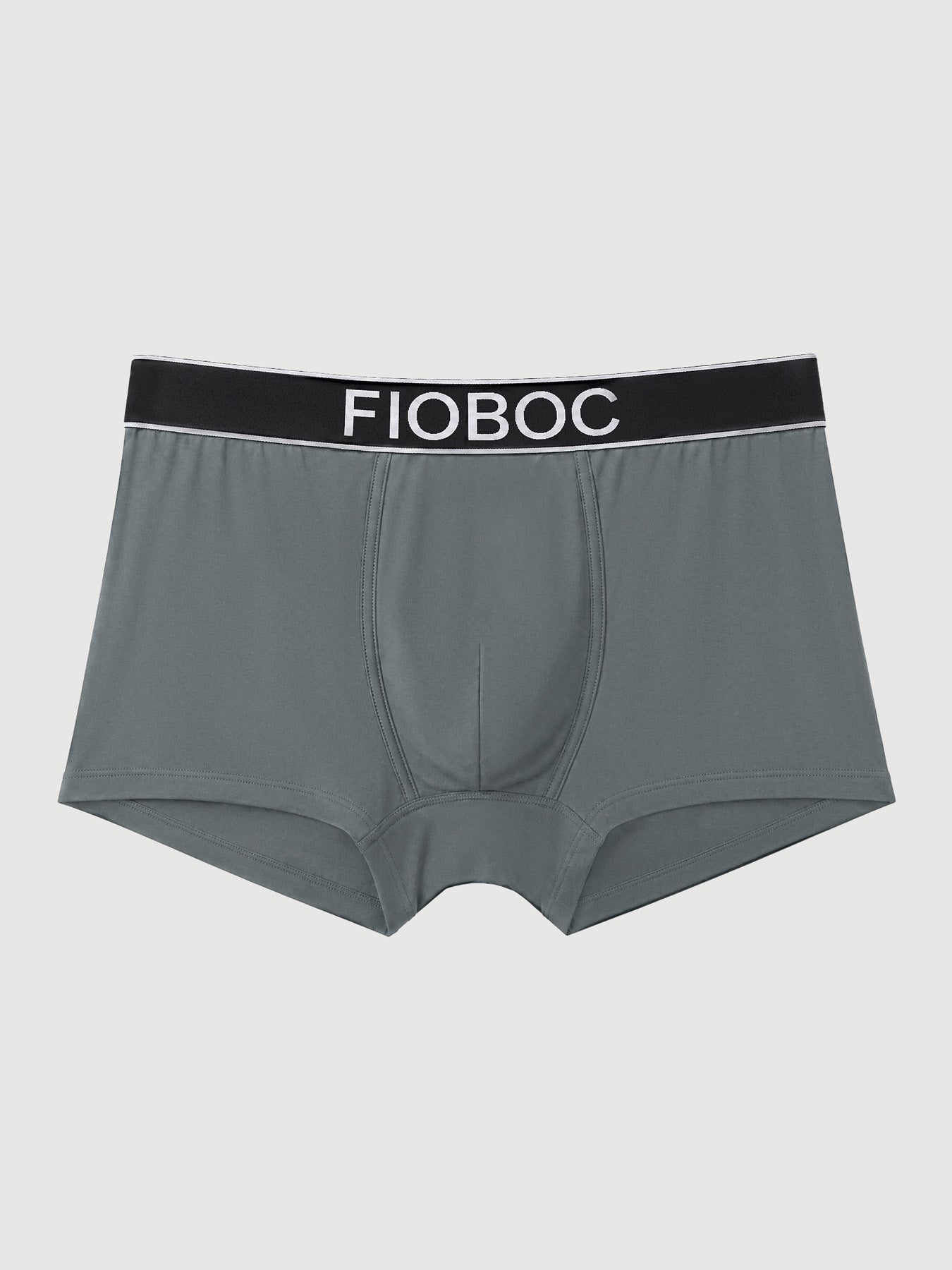
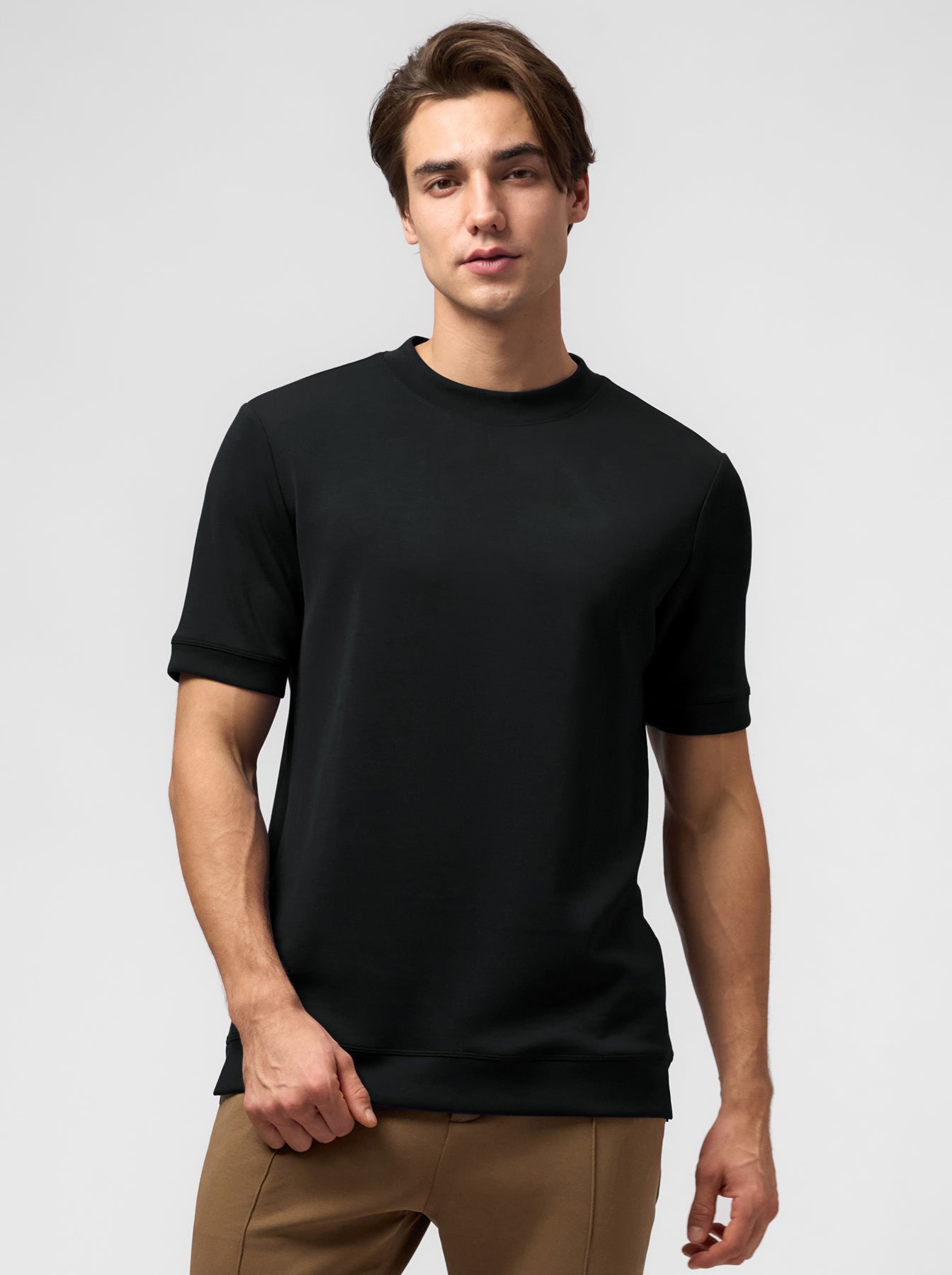
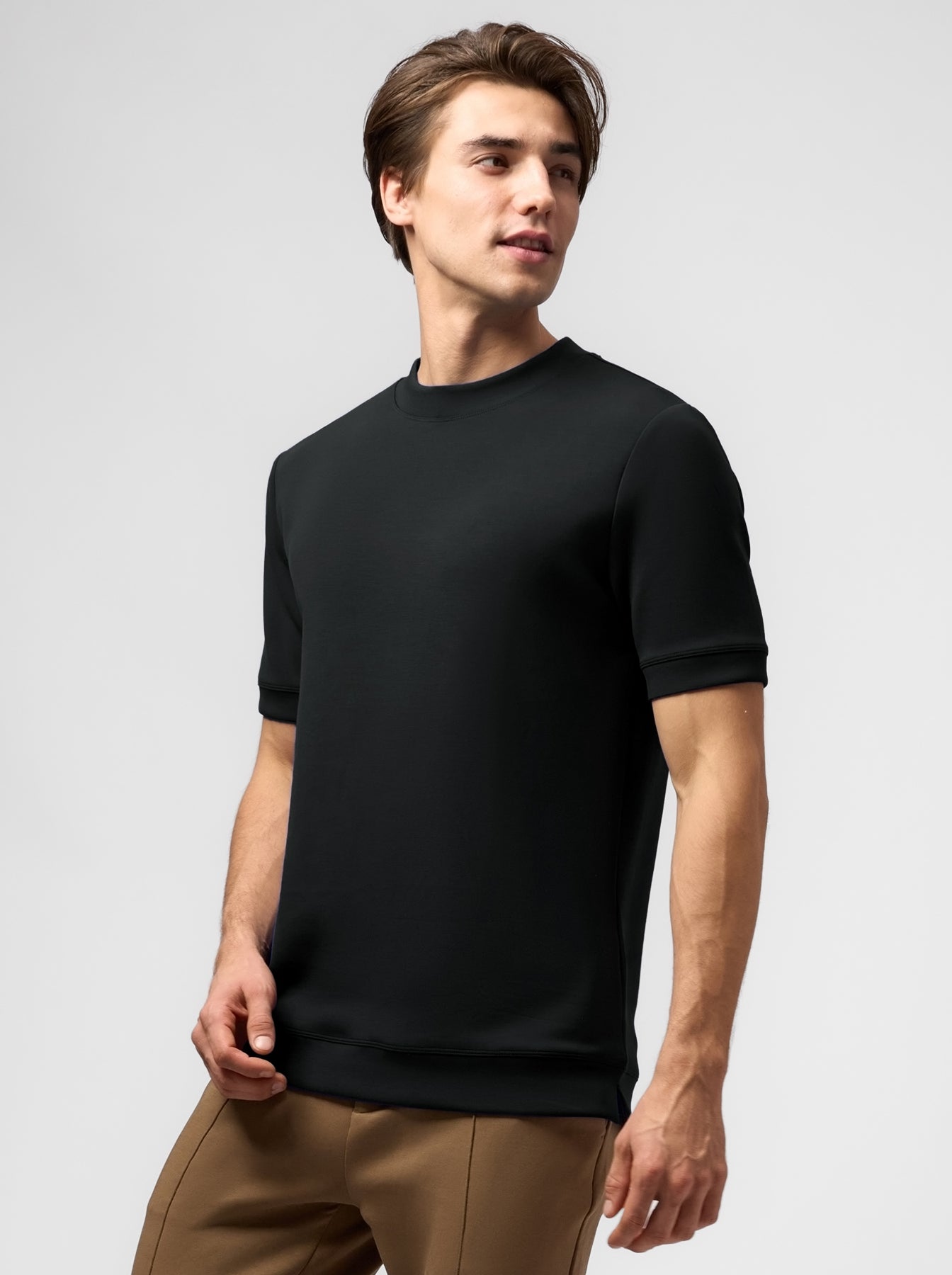
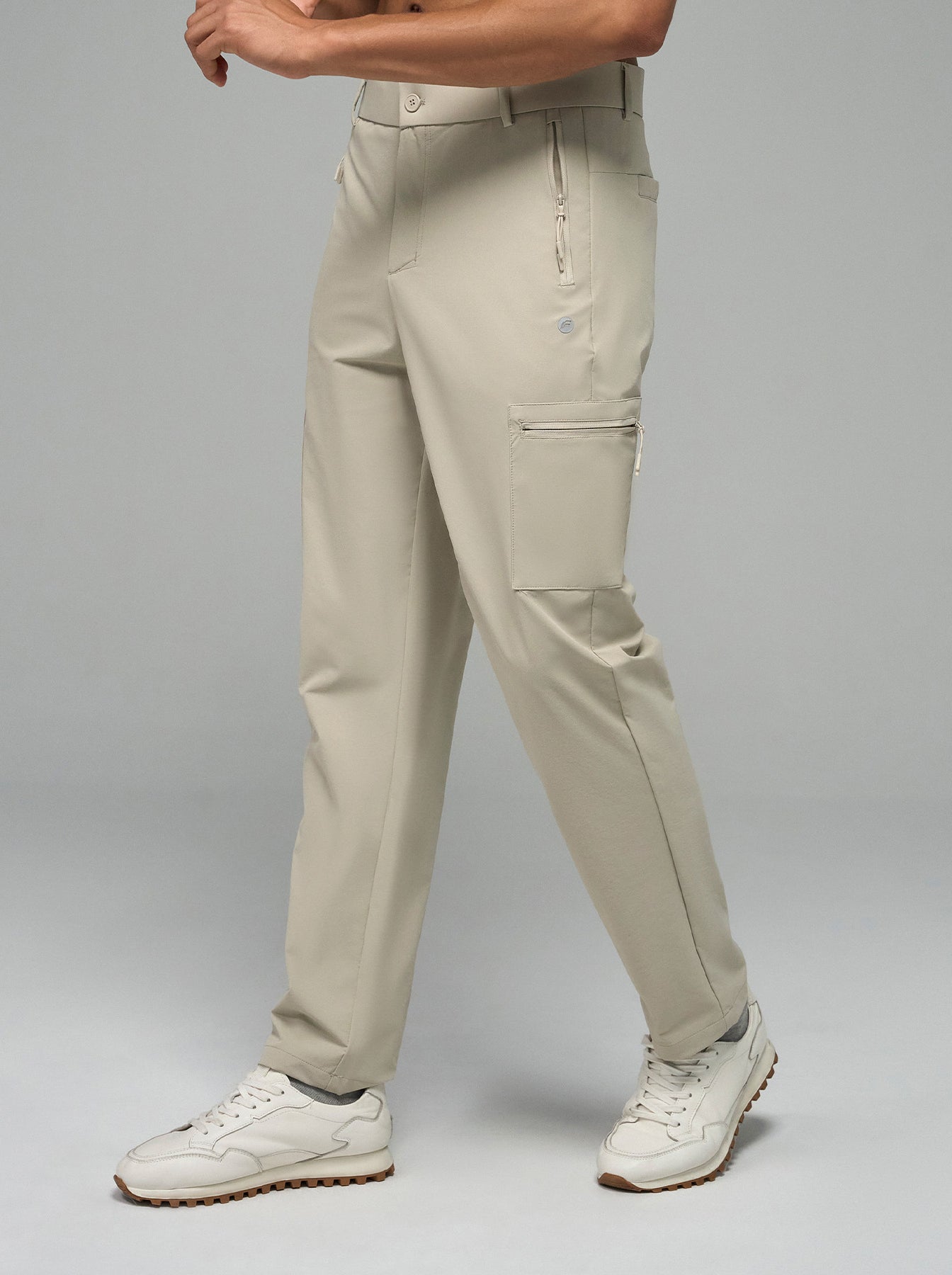
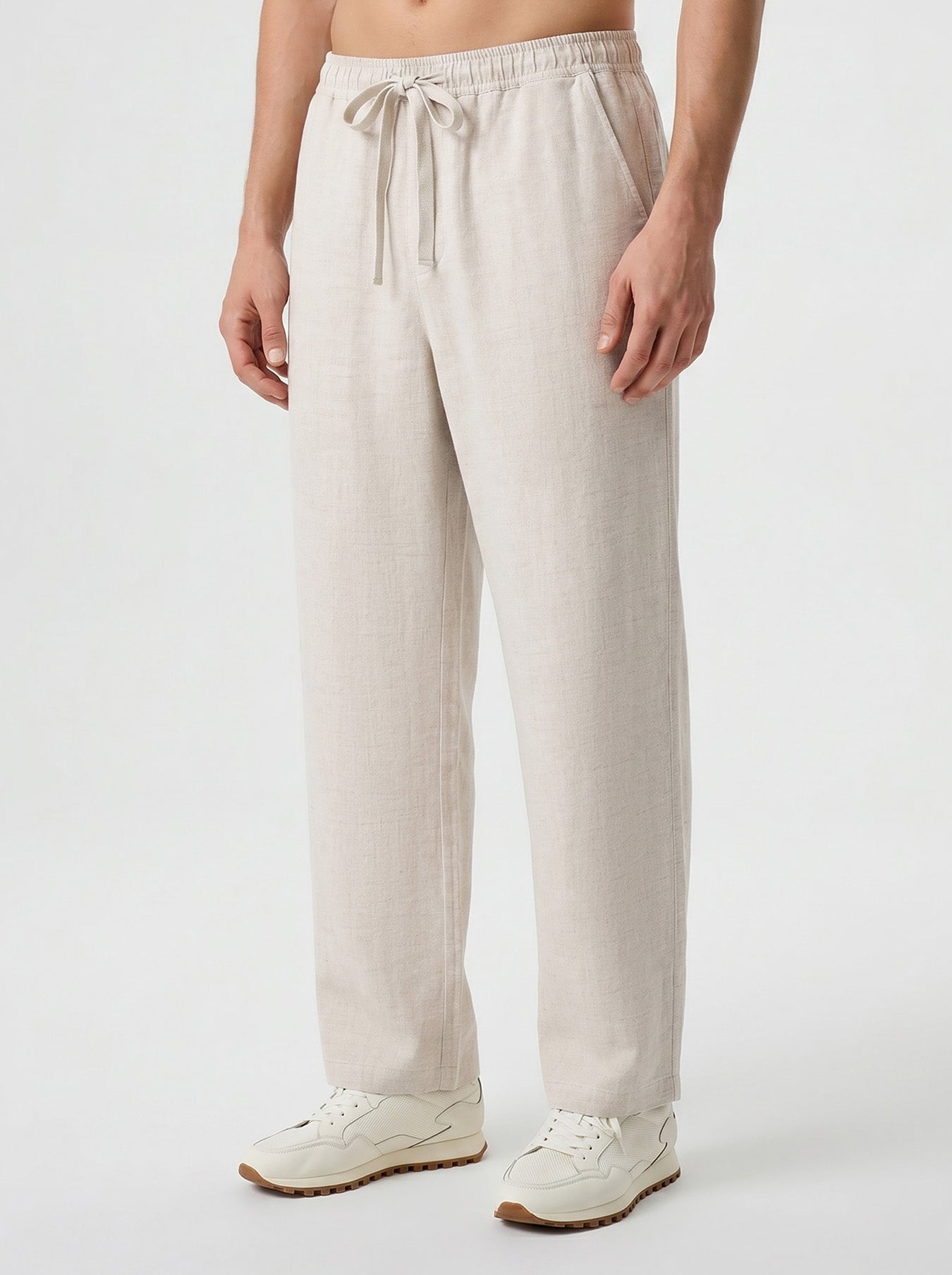
En Fioboc, por ejemplo, muchos artículos esenciales de uso diario están diseñados con mezclas de telas de primera calidad, como modal y materiales de alto rendimiento, que ofrecen naturalmente suavidad, transpirabilidad y una mejor resistencia a las arrugas. En lugar de depender únicamente de tratamientos superficiales, el objetivo es crear ropa que se mantenga cómoda, tenga un aspecto pulcro y sea fácil de cuidar.
Este enfoque permite que las prendas modernas brinden la comodidad que la gente espera de las telas sin arrugas, manteniendo la comodidad diaria.
¿Es segura la tela sin arrugas?
La mayoría de las telas modernas sin arrugas se consideran seguras para el uso diario, especialmente cuando se fabrican con tecnologías de acabado con bajo contenido de formaldehído o sin formaldehído, o con fibras naturalmente resistentes a las arrugas.
¿Cuál es la diferencia entre telas sin arrugas y telas resistentes a las arrugas?
La tela sin arrugas está diseñada para mantenerse lisa con un cuidado mínimo, mientras que las telas resistentes a las arrugas reducen las arrugas, pero aún pueden beneficiarse de un vaporizado o planchado ocasional.
¿Cuál es el mejor material resistente a las arrugas?
No existe un único mejor material resistente a las arrugas. Las mezclas de modal, las telas de alto rendimiento, las mezclas de poliéster y TENCEL™ son opciones populares porque combinan la resistencia a las arrugas con la comodidad, la transpirabilidad y la durabilidad.
Consideraciones finales
Entonces, ¿es mala la tela sin arrugas?
No necesariamente.
Los tratamientos antiguos sin arrugas merecían escrutinio, pero la tecnología textil moderna ha logrado mejoras significativas. Las telas sin arrugas de hoy en día a menudo combinan tecnología de fibra avanzada, mejor construcción de tela y procesos de acabado más seguros para reducir las arrugas sin sacrificar la comodidad.
En lugar de evitar las telas resistentes a las arrugas, concéntrate en elegir prendas bien hechas de marcas que enfaticen los materiales de calidad y la fabricación responsable.
Cuando se selecciona cuidadosamente, la tela sin arrugas puede ayudarte a simplificar tu guardarropa, reducir el tiempo de planchado y mantenerte impecable dondequiera que te lleve tu día.