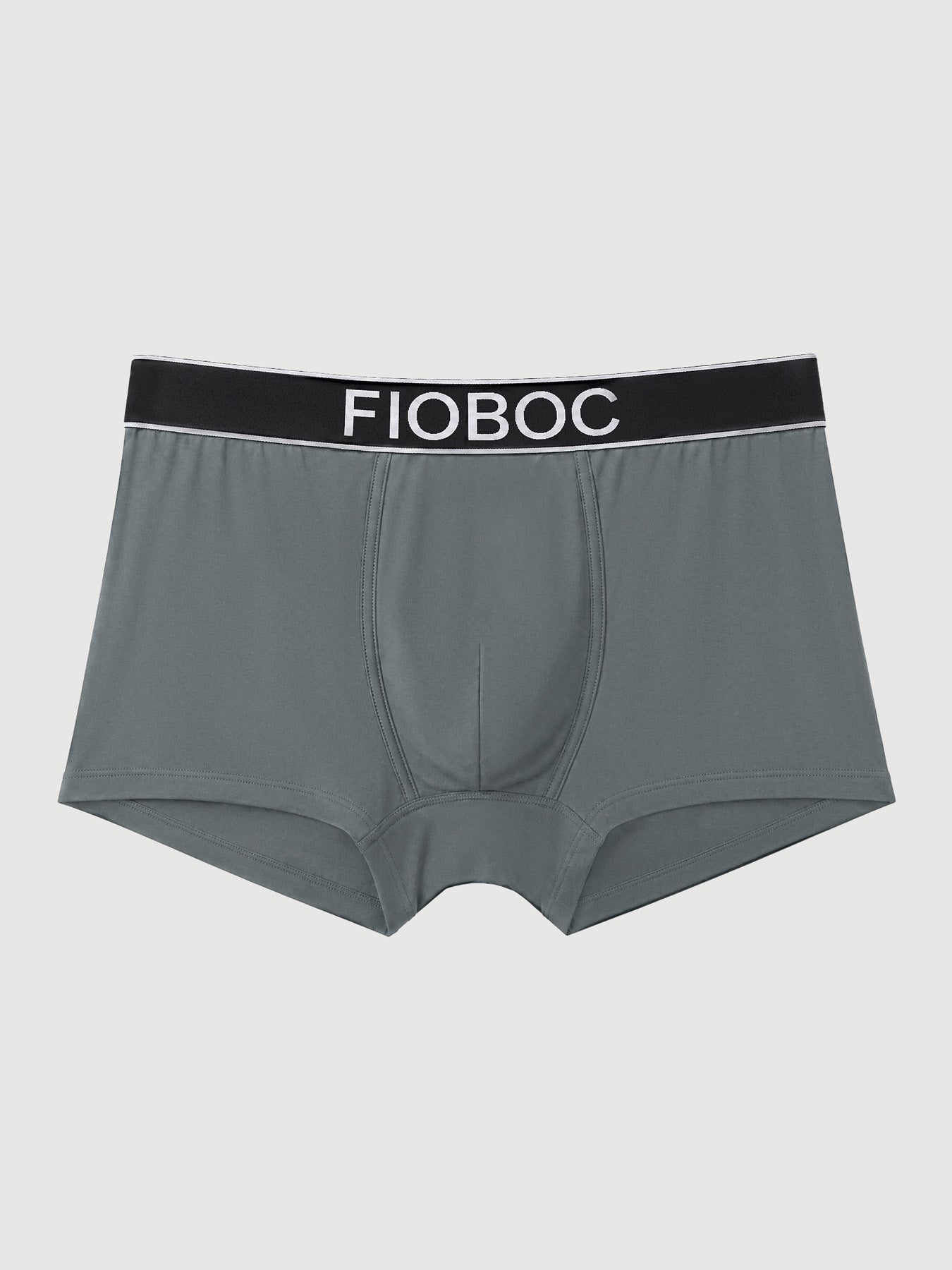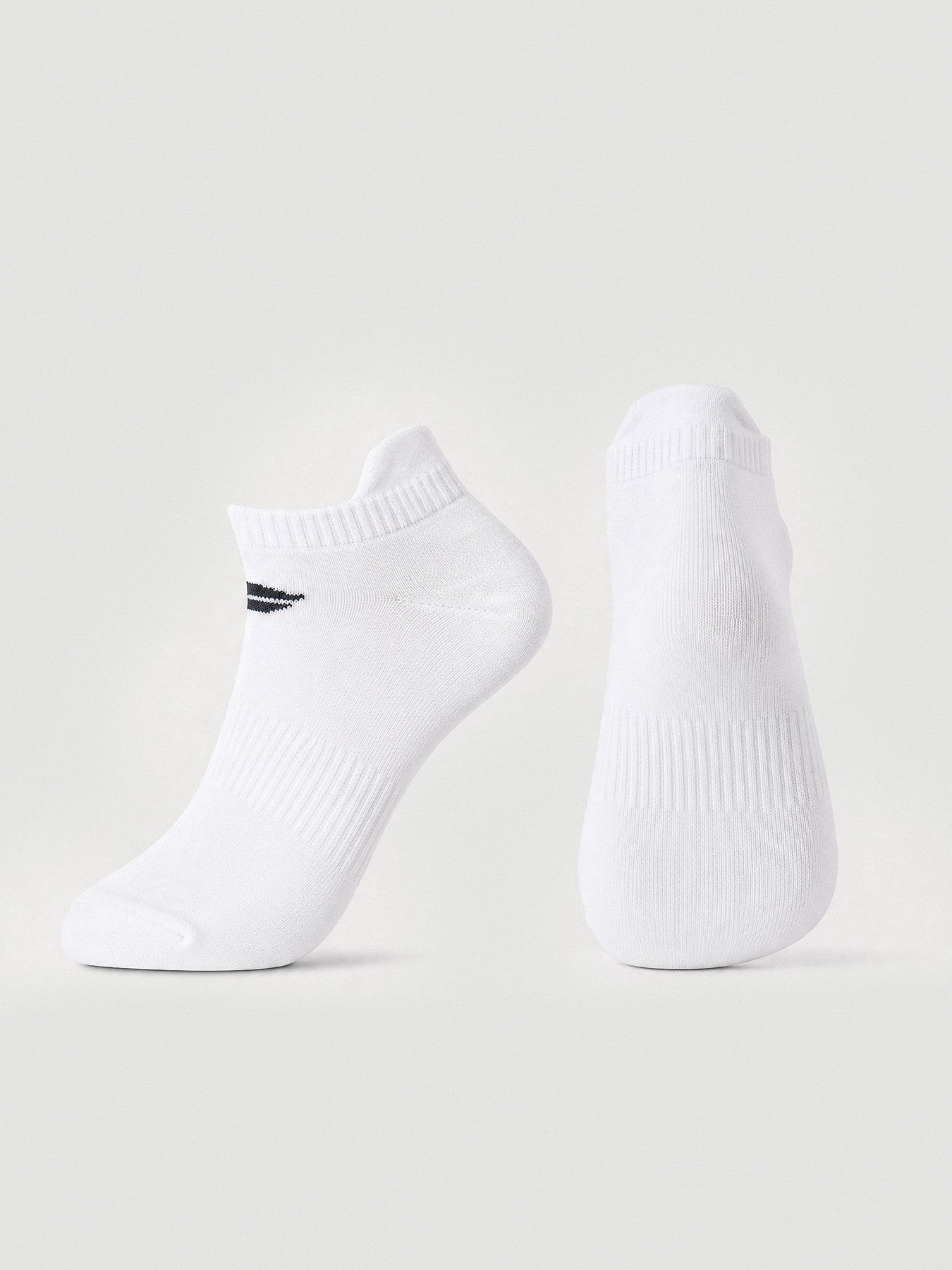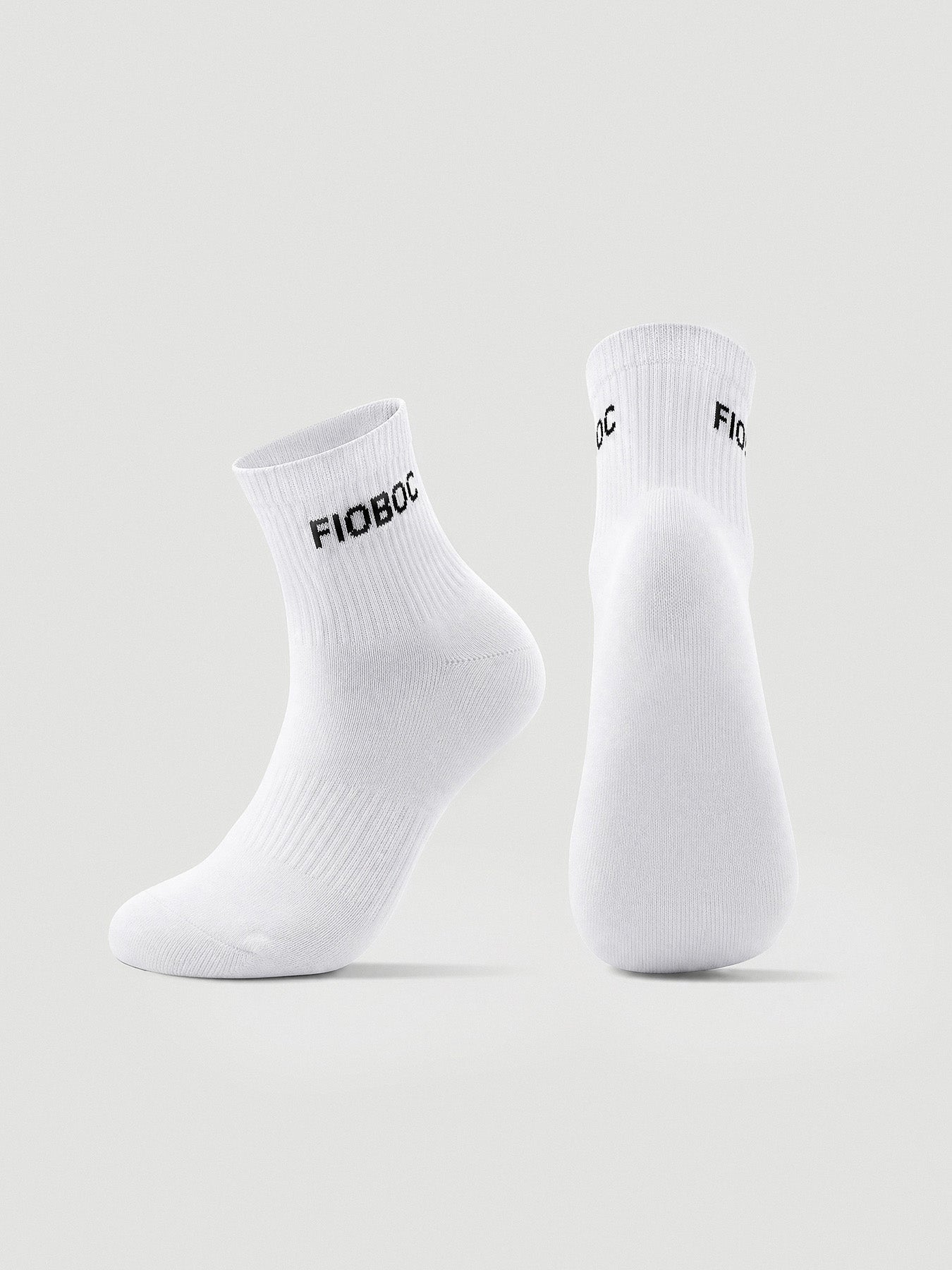








Ist Modal zum Tragen sicher? Die Wahrheit über Modal-Gewebe und Hautgesundheit
In der sich stetig weiterentwickelnden Welt der funktionalen Herrenbekleidung suchen wir unaufhörlich nach dem "Heiligen Gral" unter den Materialien: einem Gewebe, das so weich wie Seide, so atmungsaktiv wie Leinen und so langlebig wie synthetisches Polyester ist. Für viele, Modal hat sich zu diesem Spitzenreiter entwickelt. Es ist das Geheimnis hinter dem „zweite Haut“-Gefühl von erstklassiger Unterwäsche, Freizeitkleidung und hochwertigen T-Shirts.
Allerdings werden wir uns immer bewusster darüber, was wir ein unserem Körper hat sich in Gesundheits- und Modekreisen eine kritische Frage aufgetan: Ist Modal sicher zum Tragen?
Wenn Begriffe wie „teilsynthetisch“ und „chemische Verarbeitung“ im Umlauf sind, ist es leicht, sich verunsichert zu fühlen. Bei Fioboc, wir setzen auf absolute Transparenz. Wir verwenden unsere Stoffe nicht nur, weil sie sich gut anfühlen; wir nutzen sie, weil sie unsere strengen „Always Fit“-Standards für Gesundheit, Langlebigkeit und Hautverträglichkeit erfüllen.
Was genau ist Modal?
Um zu verstehen, ob Modal sicher ist, müssen wir zunächst klären, was es überhaupt ist. Modal ist eine Art biobasiertes Textil, das aus dem Zellstoff von Buchen hergestellt wird.
Da es aus einer Pflanze stammt, aber ein chemisches Verfahren erfordert, um Holzzellstoff in weiche Fasern umzuwandeln, wird es als halbsynthetische oder regenerierte Zellulosefaser klassifiziert.
Die Reise vom Baum zum T-Shirt:
- Ernte: Buchen werden geerntet (idealerweise aus nachhaltig bewirtschafteten Wäldern).
- Zellstoffaufschluss: Das Holz wird zu einem „Brei“ oder Zellstoff zersetzt.
- Extrusion: Der Zellstoff wird in einem chemischen Lösungsmittel aufgelöst und durch winzige Löcher (Spinndüsen) gedrückt, um lange, durchgehende Fäden zu erzeugen.
- Spinning: Diese Fäden werden gewaschen, gebleicht und zu dem Garn versponnen, aus dem Ihr beliebtes Fioboc-Shirt gefertigt wird.
Die Bedenken hinsichtlich der „Sicherheit“ gehen üblicherweise auf Schritt 3 zurück. Kritiker verweisen auf die Verwendung von Natriumhydroxid (Ätznatron) und Schwefelkohlenstoff während der Herstellung. Hier ist jedoch die Wahrheit: Bis das Gewebe Ihre Haut berührt, sind diese Chemikalien bereits ausgewaschen und neutralisiert. Bei der Herstellung aus hochwertigem, zertifiziertem Modal kommt ein geschlossenes Kreislaufsystem zum Einsatz, in dem 99 % dieser Chemikalien aufgefangen und recycelt werden – sie gelangen nie in die Umwelt oder in das fertige Kleidungsstück.
5 Gründe, warum Modal ein Gewinn für die Hautgesundheit ist
Wenn wir über die Sicherheit von Stoffen sprechen, meinen wir nicht nur deren Toxizität; wir sprechen davon, wie das Material mit Ihrem größten Organ – Ihrer Haut – zusammenwirkt. Für den modernen Mann bietet Modal mehrere biologische Vorteile gegenüber herkömmlicher Baumwolle oder Polyester.
Von Natur aus hypoallergen
Anders als Synthetikfasern wie Polyester oder Nylon – bei denen es sich im Grunde um Kunststoffe handelt, die Wärme stauen und die Haut reizen können – ist Modal unglaublich sanft. Seine Fasern sind von Natur aus glatt und rund. Unter dem Mikroskop wirken Baumwollfasern uneben und rauh, was dieses kratzende Gefühl auf empfindlicher Haut verursacht. Modal bleibt seidig glatt und ist damit die ideale Wahl für Menschen, die an Ekzemen oder Dermatitis leiden.
Überlegenes Feuchtigkeitsmanagement
„Sichere“ Kleidung sollte dich trocken halten. Bleibt Feuchtigkeit (Schweiß) zu lange auf der Haut, entsteht ein Nährboden für Bakterien und Pilze – was zu „Sumpfschritt“, Körperakne oder Hautausschlägen führt.
- Das Baumwollproblem: Baumwolle absorbiert Feuchtigkeit, hält sie aber fest und bleibt dadurch feucht an Ihrer Haut haften.
- Die Modal-Lösung: Modal ist 50 % saugfähiger als Baumwolle und verfügt über Mikroporen, die Schweiß von der Haut ableiten und dessen Verdunstung ermöglichen.
Wärmeregulierung
Die Gesundheit der Haut hängt eng von der Temperatur ab. Überhitzung kann Hitzepickel und Unbehagen verursachen. Modal ist eine „atmungsaktive“ Faser, die Luft frei zirkulieren lässt. Egal, ob Sie an einem entscheidenden Vorstandsmeeting teilnehmen oder sich in einem feuchten Terminal aufhalten – Modal hilft, das natürliche Temperaturgleichgewicht Ihres Körpers aufrechtzuerhalten.
Widerstandsfähigkeit gegen Bakterienwachstum
Da Modall die Haut trocken und kühl hält, hemmt es von Natur aus das Wachstum geruchsverursachender Bakterien. Obwohl es im klinischen Sinne nicht „antibakteriell“ ist, schaffen seine physikalischen Eigenschaften eine Umgebung, in der Bakterien kaum gedeihen können – im Gegensatz zu feuchter Baumwolle oder nicht luftdurchlässigen Synthetikstoffen.
Reibungsreduzierung
Hautirritationen durch Reibung gehören zu den häufigsten Hautproblemen bei aktiven Männern. Die seidige Textur von Modal reduziert die Reibung zwischen dem Stoff und Ihrer Haut (und zwischen Ihren Beinen). Dies macht diesen Werkstoff zur überlegenen Wahl für Unterwäsche und Jogginghosen, die für einen aktiven Lebensstil konzipiert sind.

Die „giftigen“ Mythen unter die Lupe genommen: Besteht ein Risiko?
Möglicherweise sind Ihnen bereits Schlagzeilen begegnet, die behaupten, auf Viskose basierende Stoffe (wie Modal) seien „giftig“. Werfen wir einen Blick auf die Fakten im Vergleich zu den umstrittenen Gerüchten.
Mythos 1: Restchemikalien verursachen Hautreizungen
Die Realität: Moderne Textilstandards sind äußerst streng. Seriöse Marken (einschließlich Fioboc) verwenden Modal, das nach dem OEKO-TEX® Standard 100 zertifiziert ist. Das bedeutet, dass das fertige Gewebe auf mehr als 100 schädliche Substanzen geprüft wurde. Wenn Sie ein Modal-Shirt anziehen, ist es chemisch inert.
Mythos 2: Modal verursacht allergische Reaktionen
Die Realität: Allergien gegen die Zellulosefaser selbst sind praktisch nicht vorhanden. Die meisten sogenannten „Textilallergien“ sind tatsächlich Reaktionen auf billige Farbstoffe oder Veredelungsharze (wie Formaldehyd), die von Fast-Fashion-Marken verwendet werden. Wenn Sie sich für hochwertige Modal-Mischgewebe entscheiden, vermeiden Sie die aggressiven Veredelungsstoffe, die in preiswerter Kleidung zum Einsatz kommen.
Fioboc Tipp: Wir empfehlen grundsätzlich, jedes neue Kleidungsstück – auch unsere eigenen – vor dem ersten Tragen zu waschen. Dadurch werden Staub oder Rückstände aus Versand- und Verpackungsprozessen entfernt, sodass Ihre Haut nur mit reinen, weichen Fasern in Berührung kommt.
Modal vs. Baumwolle vs. Polyester: Das Sicherheitsduell
Wenn Sie Ihre Garderobe für die Gesundheit Ihrer Haut optimieren möchten, hier ist, wie die „Big Three“ im Vergleich abschneiden:
Merkmal |
Modal (Fioboc-Auswahl) |
Bio-Baumwolle |
Polyester (synthetisch) |
Hautgefühl |
Seidig/Glatt |
Weich/strukturiert |
Glänzend/Kunststoff |
Atmungsaktivität |
Hoch |
Mittel-Hoch |
Niedrig (hält Wärme ein) |
Feuchtigkeitsableitend |
Ausgezeichnet |
Mangelhaft (Saugt auf) |
Gut (hält aber Gerüche fest) |
Langlebigkeit |
Hoch (schrumpft nicht) |
Mittel (Schrumpft/Verblasst) |
Sehr Hoch |
Hautsicherheit |
Hypoallergen |
Sehr sicher |
Kann empfindliche Haut reizen |
Warum verwendet Fioboc Modal-Mischgewebe?
Obwohl 100 % Modal unglaublich weich ist, kann es manchmal auch zu locker drapiert – die maskuline Silhouette, die wir bei Fioboc verlangen, geht damit verloren. Deshalb haben wir uns auf Modal-Mischgewebe spezialisiert.
Durch die Mischung aus Modal, langstapliger Baumwolle und einem Hauch Spandex kreieren wir unsere Smoothblend™-Kollektion. Das bietet Ihnen:
- Die Sicherheit von Modal: Hypoallergen und feuchtigkeitsableitend.
- Der Aufbau von Baumwolle: Verhindert, dass das Shirt an Ihrem Bauch anhaftet oder seine Form verliert.
- Der „Always Fit“-Stretch: Bewegt sich mit deinem Körper mit, ohne durchzuhängen.

Wie erkennt man „sichere“ Modal-Stoffe beim Einkaufen?
Nicht jedes Modal ist gleichwertig. Wenn Sie hautverträgliche Kleidung einkaufen, achten Sie auf diese drei Kennzeichnungen:
- Transparenz: Erklärt die Marke, woher ihre Fasern stammen?
- Zertifizierungen: Achten Sie auf Lenzing™ Modal oder TENCEL™ Modal. Lenzing ist der Goldstandard für eine umwelt- und hautverträgliche Produktion von Modal.
- Der „Duft“-Test: Hochwertiges Modal sollte direkt nach dem Auspacken keinen chemischen Geruch aufweisen. Ein starker „Fabrikgeruch“ ist häufig ein Hinweis auf billige chemische Stabilisatoren.
Ist Modal für „empfindliche Bereiche“ (Unterwäsche) unbedenklich?
Ja. Tatsächlich empfehlen viele Dermatologen Unterwäsche aus Modal oder Bambus statt aus Baumwolle für Männer, die zu Jock Itch oder Hautirritationen neigen. Ihre Fähigkeit, diesen Bereich trocken zu halten, ist ein echter Gamechanger für die Gesundheit der Haut im Beckenbereich.
Verursacht Modal Krebs?
Es gibt keinerlei wissenschaftliche Belege dafür, dass das Tragen von Modal-Gewebe mit Krebs in Verbindung steht. Die Chemikalien, die in der Fabrik werden unter strengen Sicherheitsvorkehrungen gehandhabt, und sie verbleiben nicht im fertigen Kleidungsstück.
Kann ich Modal tragen, wenn ich eine Polyester-Allergie habe?
Selbstverständlich. Modal ist ein pflanzlicher Zellulosefaser, während Polyester ein erdölbasiertes Kunststoffmaterial ist. Die meisten Menschen, die auf synthetische Gewebe reagieren, erfahren sofortige Linderung, wenn sie auf Modal umsteigen.
Endgültiges Fazit
Tatsache ist, dass Modal nicht nur „sicher“ ist – für viele Männer ist es gesünder als die Alternativen. Indem es eine reibungsarme, feuchtigkeitsableitende und hypoallergene Umgebung schafft, schützt Modal Ihre Haut aktiv vor den Belastungen eines modernen, aktiven Lebens.
An Fioboc, wählen wir unsere Materialien mit der gleichen Präzision aus, mit der du deine Karriere oder dein Training auswählst. Wir glauben, dass das, was du trägst, nicht nur gut aussehen sollte; es sollte eine funktionelle Erweiterung der körpereigenen Gesundheitssysteme sein.