







¿Qué es la tela elástica? Una guía completa de las telas elásticas
Descubra qué es la tela elástica, cómo funciona, los diferentes tipos de materiales elásticos y por qué se ha convertido en una opción popular para la ropa cómoda de uso diario.
Si alguna vez ha usado un par de pantalones que le resultan cómodos al sentarse, caminar o agacharse, es muy probable que la tela elástica sea parte de la razón.
Las telas elásticas se han vuelto cada vez más comunes en todo, desde camisetas y pantalones casuales hasta ropa deportiva y de viaje. Permiten que las prendas se muevan con el cuerpo mientras ayudan a mantener un ajuste cómodo.
Pero, ¿qué hace que una tela sea elástica? ¿Todas las telas elásticas están hechas con spandex? ¿Y cuál es la diferencia entre el estiramiento bidireccional y el cuatridireccional?
Esta guía explica todo lo que necesita saber sobre la tela elástica, incluyendo cómo funciona, los tipos más comunes, sus beneficios y qué considerar al elegir ropa elástica.
¿Qué es la tela elástica?
La tela elástica es un textil diseñado para estirarse y recuperar su forma original cuando se libera la tensión.
A diferencia de las telas tradicionales no elásticas, las telas elásticas pueden expandirse cuando se mueve y luego volver a sus dimensiones originales.
Esta flexibilidad puede hacer que la ropa sea más cómoda durante las actividades diarias como caminar, sentarse, viajar, hacer ejercicio o simplemente moverse durante el día.
La elasticidad puede provenir de la fibra en sí, de la forma en que se teje o se entrelaza la tela, o de una combinación de ambas.
Por ejemplo, algunas telas tienen un estiramiento mecánico natural debido a su construcción, mientras que otras contienen fibras elásticas como el spandex o la elastano para proporcionar una flexibilidad adicional.
¿Cómo funciona la tela elástica?
Hay dos formas principales en que una tela puede volverse elástica.
1. Elasticidad mecánica
Algunas telas pueden estirarse debido a su construcción, en lugar de porque contengan fibras elásticas.
Las telas tejidas son un ejemplo común.
Los bucles en una estructura de punto pueden moverse y expandirse cuando se tira de la tela, lo que le da al material una cierta cantidad de flexibilidad natural.
Este tipo de estiramiento puede sentirse suave y cómodo, pero la cantidad de estiramiento depende en gran medida de la construcción de la tela.
2. Estiramiento basado en fibra
Otro enfoque común es agregar fibras elásticas a la tela.
El spandex, también conocido como elastano, es una de las fibras elásticas más utilizadas en la ropa.
Incluso un porcentaje relativamente pequeño de elastano puede aumentar significativamente la capacidad de una tela para estirarse y recuperarse.
Es por eso que puede ver composiciones de fibra como:
- Algodón + Spandex
- Poliéster + Elastano
- Nailon + Spandex
- Modal + Elastano
La fibra base determina muchas de las características de la tela, mientras que la fibra elástica aporta flexibilidad y recuperación.
¿Cuáles son los diferentes tipos de telas elásticas?


No todas las telas elásticas se comportan de la misma manera.
Comprender los diferentes tipos puede ayudarle a elegir la ropa según cómo planee usarla.
Tela elástica bidireccional
La tela elástica bidireccional se estira principalmente en una dirección.
Dependiendo de la construcción de la tela, puede estirarse horizontal o verticalmente.
Este tipo de estiramiento puede proporcionar una comodidad adicional mientras ayuda a la prenda a mantener una sensación relativamente estructurada.
Puede funcionar bien para la ropa de uso diario donde se necesita una flexibilidad moderada.
Tela elástica cuatridireccional
La tela elástica cuatridireccional se estira tanto horizontal como verticalmente.
Esto le da a la tela una mayor flexibilidad y le permite moverse más naturalmente con el cuerpo.
El estiramiento cuatridireccional es particularmente popular en:
- Ropa deportiva
- Pantalones de chándal
- Pantalones de alto rendimiento
- Ropa de viaje
- Ropa de yoga
- Ropa de golf
Para actividades que implican flexión, estiramiento, caminata o cambios de posición frecuentes, el estiramiento cuatridireccional puede proporcionar una ventaja de comodidad notable.
Tejido de punto elástico
Muchas telas tejidas tienen naturalmente un cierto grado de estiramiento debido a su construcción en bucle.
Las camisetas, polos, suéteres y otras prendas casuales a menudo se fabrican con telas tejidas.
La cantidad de estiramiento depende de la estructura de tejido específica y de la composición de la fibra.
Tejido elástico
Las telas tejidas tradicionalmente tienen menos elasticidad natural que las telas de punto, pero agregar elastano o usar técnicas de construcción específicas puede darles una flexibilidad significativa.
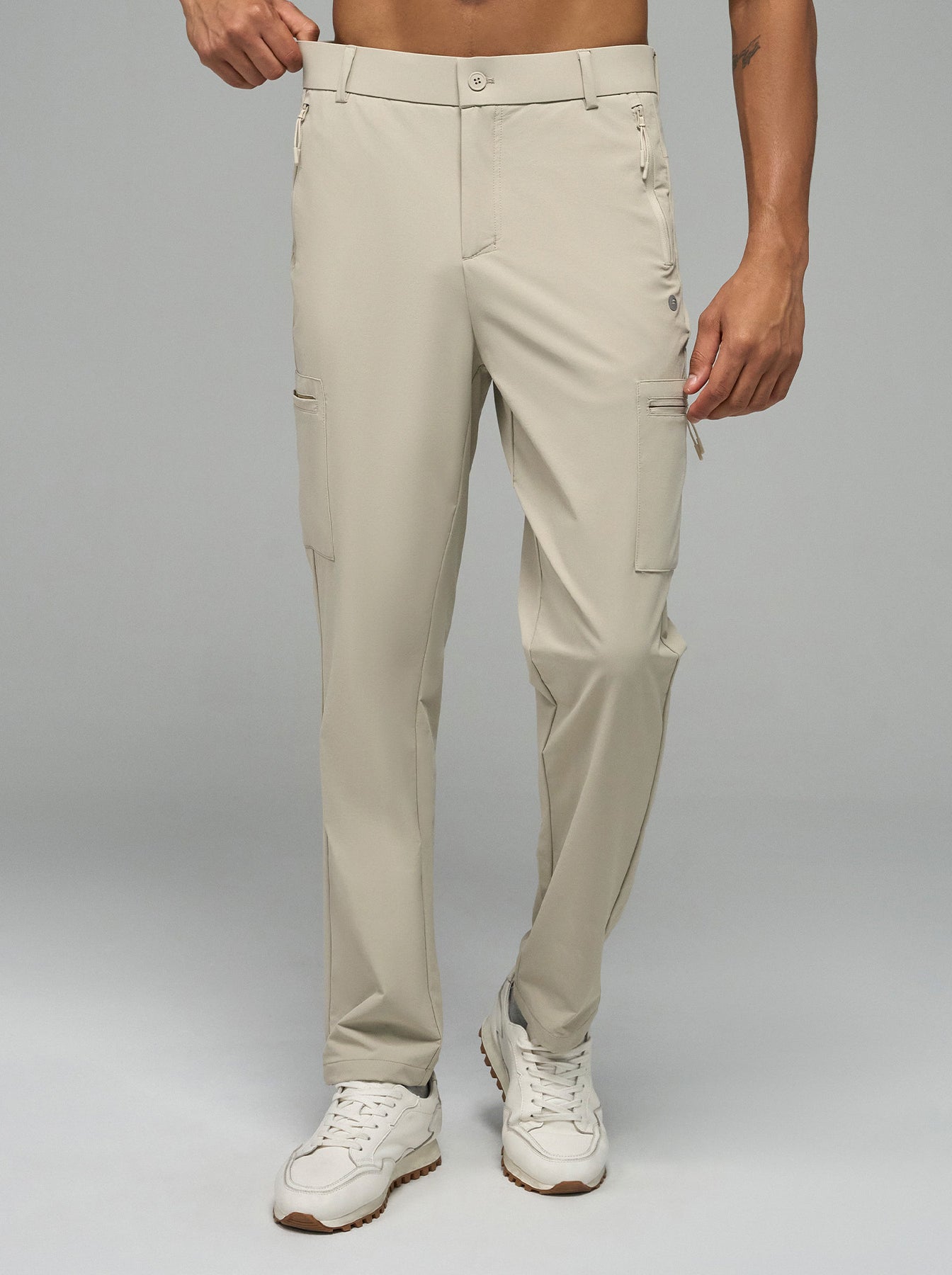
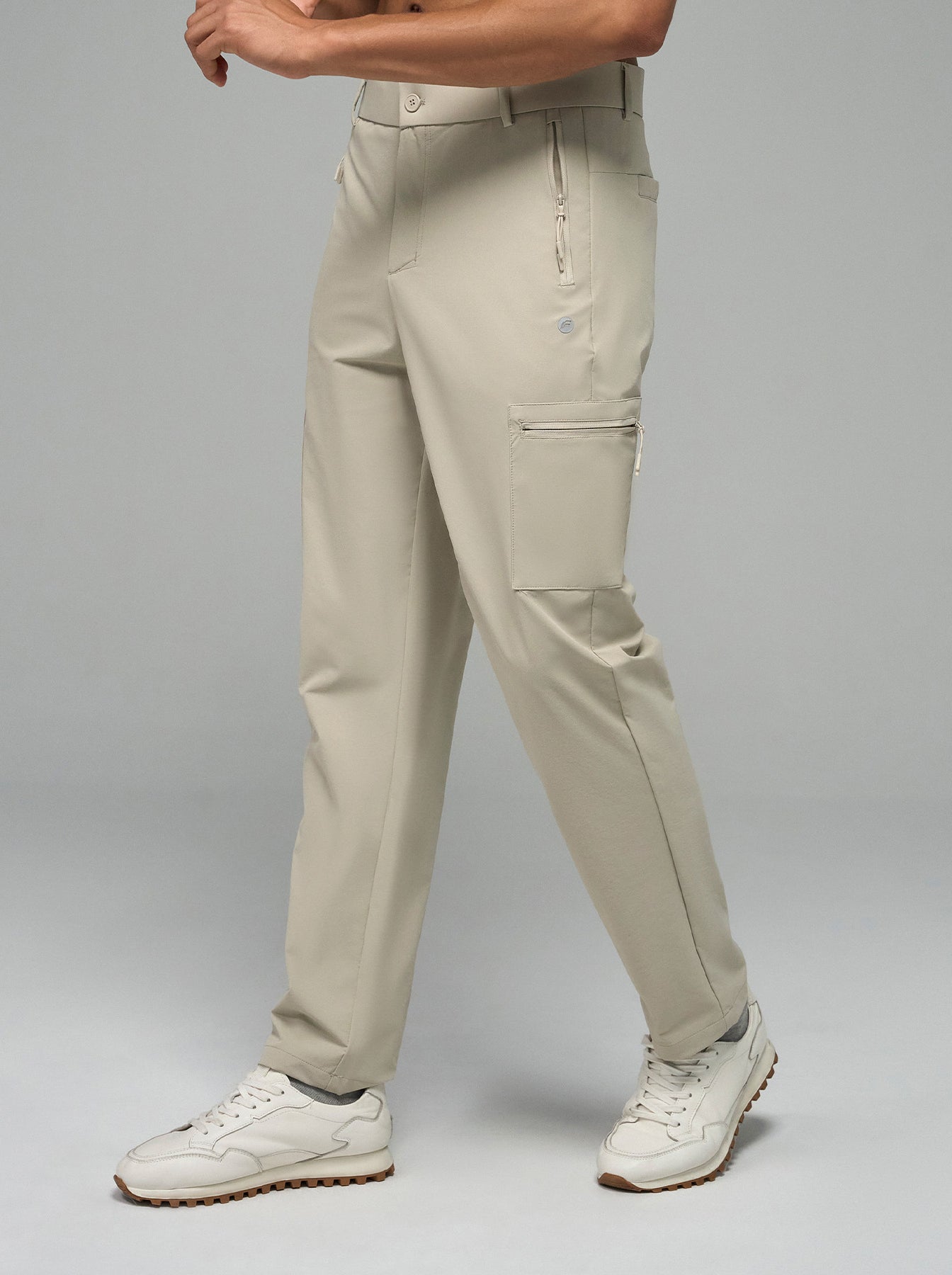
Las telas tejidas elásticas se utilizan comúnmente para pantalones, chinos, ropa de viaje y ropa de alto rendimiento.
Pueden ofrecer una combinación útil de estructura, durabilidad y movimiento.
¿Qué fibras se utilizan en la tela elástica?
Se pueden combinar varias fibras diferentes para crear ropa elástica.
Spandex / Elastano
El spandex y el elastano se refieren al mismo tipo de fibra altamente elástica, aunque la terminología varía según la región.
Se valora por sus excelentes propiedades de elasticidad y recuperación.
Incluso en pequeños porcentajes, puede hacer que una prenda sea significativamente más flexible.
Poliéster
El poliéster se usa ampliamente en la ropa de alto rendimiento porque es liviano, duradero y de secado relativamente rápido.
Cuando se combina con elastano, puede crear telas que ofrecen durabilidad y elasticidad.
Nylon
El nylon es otra opción popular para la ropa elástica.
Es conocido por su resistencia, tacto suave y durabilidad.
El nylon mezclado con spandex se encuentra comúnmente en la ropa deportiva, la ropa de alto rendimiento y los pantalones ligeros.
Algodón
El algodón es naturalmente cómodo y transpirable, pero las telas de algodón tradicionales generalmente tienen una elasticidad limitada.
Agregar una pequeña cantidad de spandex o elastano puede hacer que la ropa de algodón sea más flexible, conservando gran parte de la suavidad familiar del algodón.
Modal
El modal es una fibra celulósica suave conocida por su tacto liso.
Cuando se mezcla con elastano, puede crear telas particularmente suaves y flexibles que funcionan bien para la ropa cómoda de uso diario.
¿Cuáles son los beneficios de la tela elástica?
Entonces, ¿por qué la tela elástica se ha vuelto tan popular?
Hay varias razones.
Mayor libertad de movimiento
La mayor ventaja es simple: la elasticidad permite que tu ropa se mueva contigo.
Ya sea que estés sentado en un escritorio, caminando por una ciudad, subiendo a un automóvil o viajando durante horas, la ropa flexible puede sentirse menos restrictiva.
Mayor comodidad
Una prenda rígida puede resultar incómoda cuando tira de las rodillas, la cintura, los hombros o las caderas.
La elasticidad permite que la tela se adapte al movimiento natural del cuerpo, lo que puede hacer que la ropa sea más cómoda durante todo el día.
Mejor ajuste
Las telas elásticas pueden adaptarse más fácilmente a diferentes movimientos y posiciones del cuerpo.
Esto puede ayudar a que las prendas mantengan un ajuste cómodo sin sentirse excesivamente holgadas.
Versatilidad
Las telas elásticas no se limitan a la ropa deportiva.
Hoy en día, se utilizan en todo, desde camisetas y pantalones de uso diario hasta ropa para la oficina y ropa de viaje.
Esto los hace particularmente útiles para los guardarropas modernos donde una prenda puede necesitar funcionar en múltiples situaciones.
Comodidad para viajar
Viajar a menudo implica largos períodos de estar sentado, caminar y cambiar de posición.
Los pantalones elásticos y otras prendas flexibles pueden hacer que esas situaciones sean más cómodas.
Para los viajeros, la elasticidad puede ser especialmente útil cuando se combina con otras características de rendimiento como la construcción ligera, las propiedades de absorción de humedad, el secado rápido y la resistencia a las arrugas.
¿Es transpirable la tela elástica?
La respuesta depende de la tela específica.
La elasticidad en sí misma no hace que una tela sea transpirable o no transpirable automáticamente.
La transpirabilidad depende de factores como:
- Composición de la fibra
- Construcción de la tela
- Peso
- Estructura de punto o tejido
- Tratamientos de acabado
Por ejemplo, una tela elástica ligera puede sentirse muy transpirable, mientras que una tela elástica densa puede sentirse más cálida.
Por eso es importante considerar la composición completa de la tela en lugar de simplemente buscar la palabra "elástica".
¿Es duradera la tela elástica?
La tela elástica puede ser duradera, pero la durabilidad depende de la composición de la fibra, la construcción de la tela y cómo se cuide la prenda.
La ropa elástica de alta calidad debería, idealmente, proporcionar tanto elasticidad como recuperación.
La elasticidad se refiere a cuánto puede extenderse la tela.
La recuperación se refiere a qué tan bien vuelve a su forma original después.
Una buena recuperación es importante porque una prenda que se estira fácilmente pero no se recupera bien puede aflojarse o perder su forma original con el tiempo.
Un lavado y secado adecuados también pueden ayudar a preservar la elasticidad de la ropa elástica.
Siempre revisa las instrucciones de cuidado de la prenda, especialmente cuando contenga elastano u otras fibras elásticas.

Tejido elástico vs. Tejido no elástico
Entonces, ¿cuál es mejor: el tejido elástico o el no elástico?
No hay una respuesta universal.
Depende de la prenda y la situación.
Tejido elástico |
Tejido no elástico |
Mayor flexibilidad |
Más estructurado |
Cómodo para el movimiento |
Puede ofrecer un aspecto impecable |
Ideal para estilos de vida activos |
A menudo preferido para prendas estructuradas |
Útil para viajar |
Puede ofrecer una sensación más tradicional |
A menudo cómodo para un uso prolongado |
Puede proporcionar una mayor retención de la forma |
Para pantalones de uso diario, ropa de viaje, ropa deportiva y otras prendas en las que el movimiento es importante, el elástico puede ser especialmente útil.
Para chaquetas estructuradas, camisas formales o ciertas prendas a medida, los tejidos no elásticos pueden seguir siendo preferibles.
¿Cómo elegir el tejido elástico adecuado?
Cuando compres ropa elástica, no te fijes solo en si la etiqueta dice "elástico".
Considera cuánto estiramiento necesitas realmente.
Para pantalones de uso diario, un estiramiento moderado puede proporcionar suficiente flexibilidad sin cambiar demasiado el aspecto de la prenda.
Para ropa deportiva, el estiramiento en cuatro direcciones puede ser más apropiado porque permite una mayor libertad de movimiento.
Para ropa de viaje, es posible que quieras combinar el estiramiento con otras características como:
- Confección ligera
- Transpirabilidad
- Manejo de la humedad
- Secado rápido
- Resistencia a las arrugas
- Durabilidad
El mejor tejido no es necesariamente el que más se estira.
Es el que proporciona el equilibrio adecuado entre comodidad, recuperación, durabilidad y rendimiento para la forma en que usas la prenda.
¿Por qué Fioboc utiliza tejidos elásticos en la ropa de uso diario?
En Fioboc, el elástico es parte de un enfoque más amplio para hacer que la ropa de uso diario sea más cómoda y versátil.
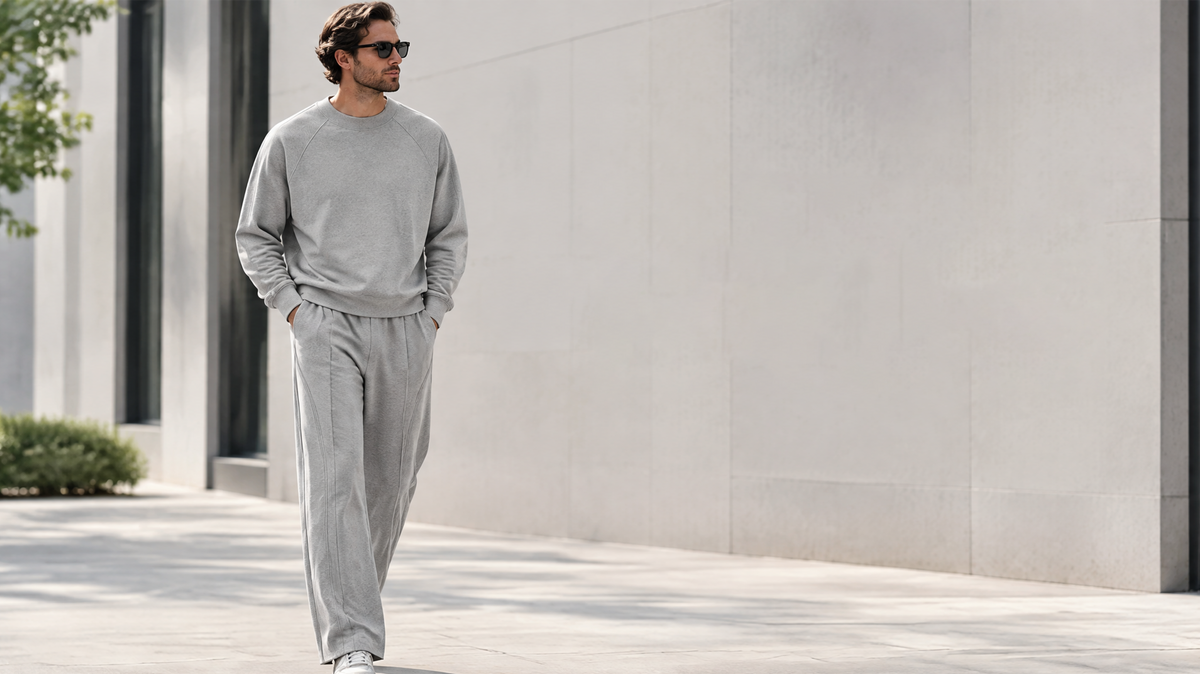
En lugar de considerar el elástico como algo reservado para la ropa de gimnasia, Fioboc incorpora tejidos flexibles en diferentes tipos de ropa de uso diario.
Desde pantalones y joggers hasta ropa orientada al rendimiento, el elástico ayuda a que las prendas se muevan de forma más natural con el usuario.
Por ejemplo, los tejidos enfocados en el rendimiento pueden combinar el estiramiento con propiedades como el secado rápido y la gestión de la humedad, lo que los hace adecuados para viajes, actividades al aire libre, golf y uso diario.
El objetivo es simple:
La ropa debe moverse contigo, no en tu contra.
Esto es particularmente importante hoy en día, cuando un atuendo puede necesitar funcionar para ir al trabajo, trabajar, viajar, relajarse y las actividades de fin de semana.
¿Es el tejido elástico lo mismo que el spandex?
No.
El spandex es una fibra elástica que se puede utilizar para dar elasticidad a un tejido. El tejido elástico es un término más amplio que incluye tejidos que se estiran debido a su composición de fibra, construcción o ambas.
¿El estiramiento en 4 direcciones es mejor que el estiramiento en 2 direcciones?
No necesariamente.
El estiramiento en cuatro direcciones proporciona mayor flexibilidad en múltiples direcciones, lo que lo hace útil para ropa deportiva y prendas que requieren una amplia gama de movimiento.
El estiramiento en dos direcciones puede ser perfectamente adecuado para la ropa de uso diario donde una flexibilidad moderada es suficiente.
¿El tejido elástico pierde su elasticidad?
Puede que sí.
El uso repetido, el calor intenso, las condiciones de lavado agresivas y el envejecimiento general pueden afectar a las fibras elásticas con el tiempo.
Seguir las instrucciones de cuidado de la prenda puede ayudar a mantener su elasticidad y recuperación.
¿Es el tejido elástico bueno para viajar?
Sí.
El estiramiento puede hacer que la ropa de viaje sea más cómoda durante largos períodos de asiento y movimiento. Para viajar, puede ser especialmente útil cuando se combina con propiedades ligeras, de secado rápido, transpirables o resistentes a las arrugas.
¿Es el tejido elástico bueno para la ropa de uso diario?
Absolutamente.
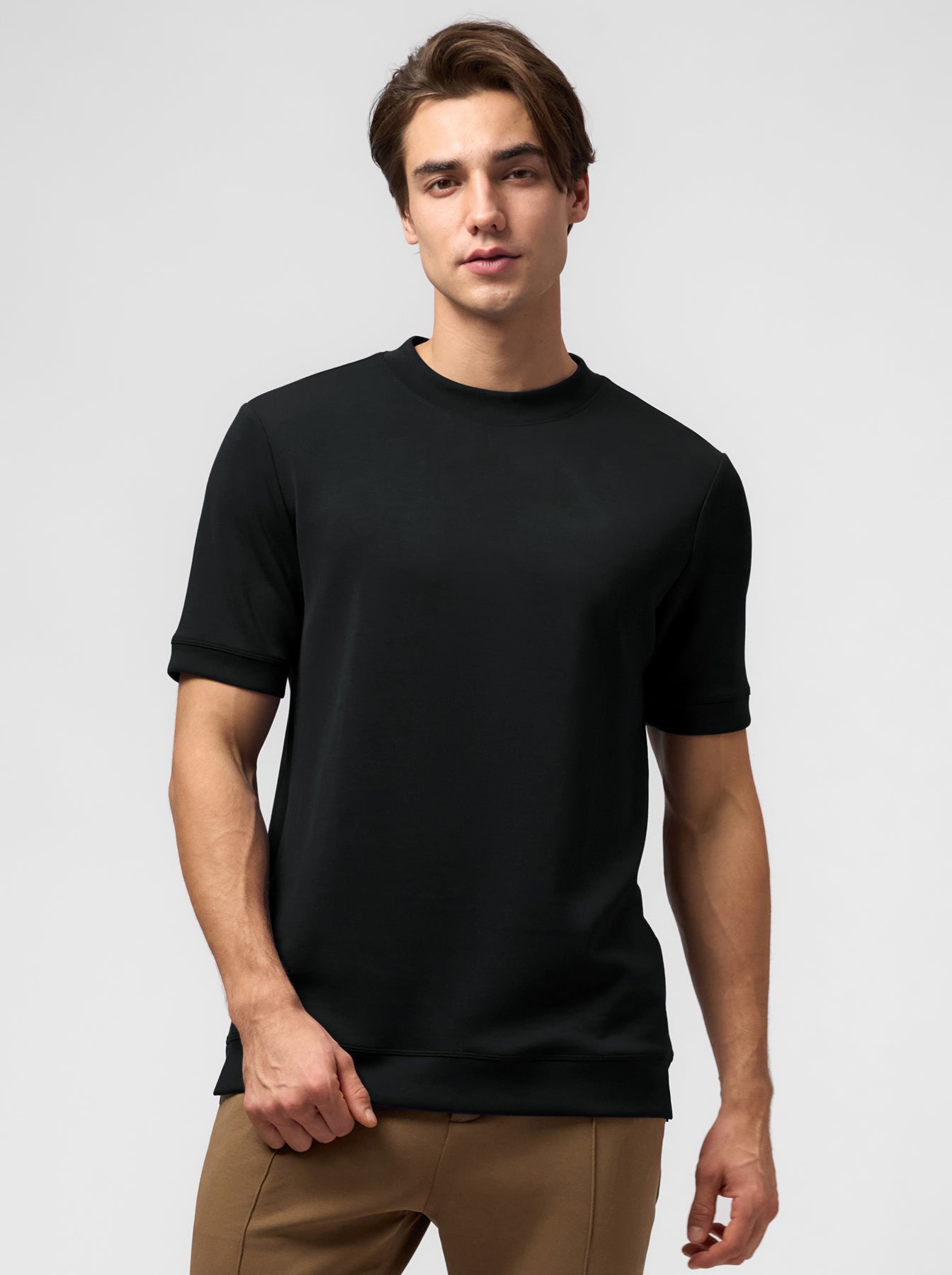
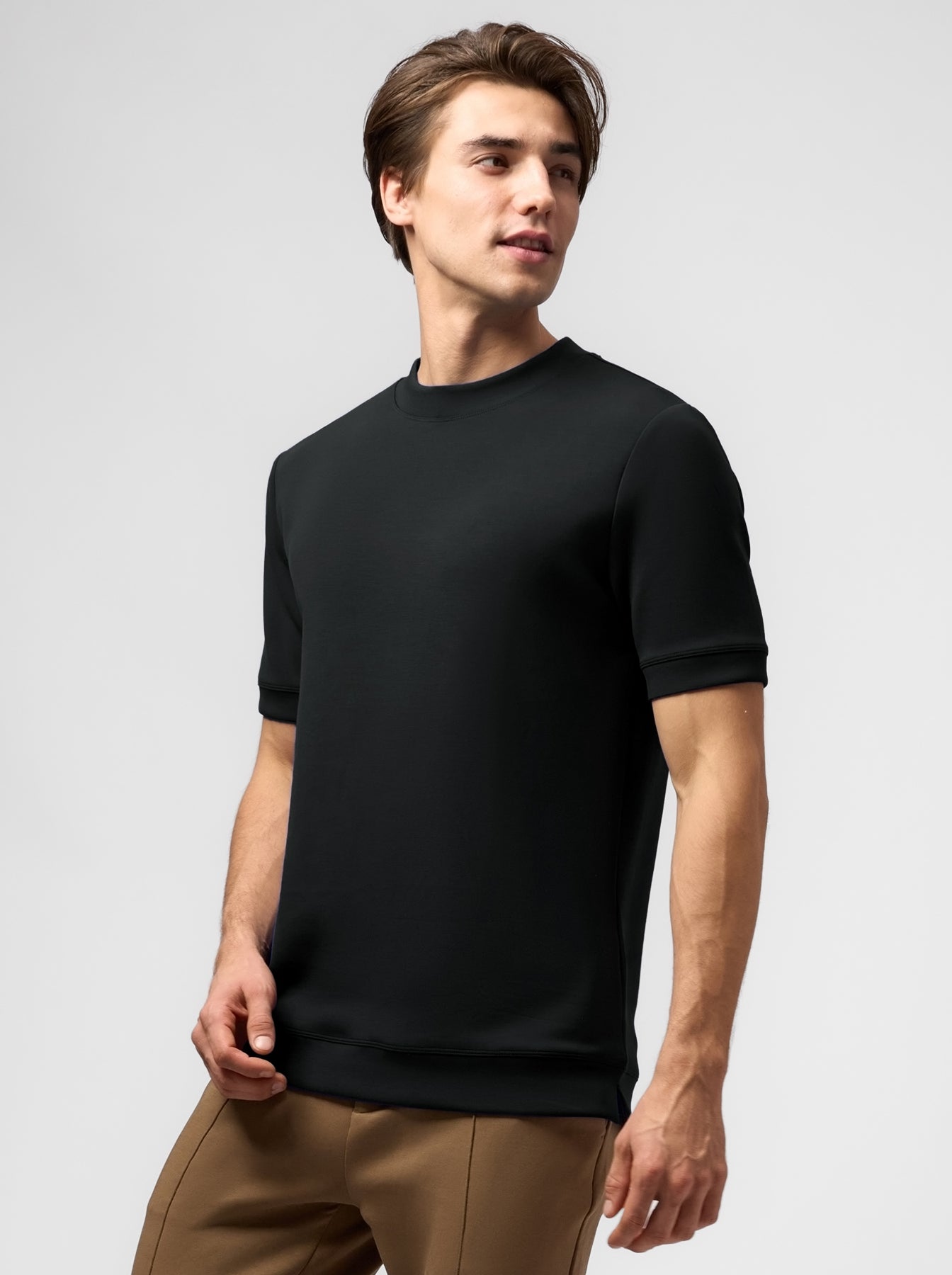
Los tejidos elásticos se pueden utilizar en camisetas, pantalones, polos, joggers, ropa deportiva y muchas otras prendas de uso diario.
La clave es elegir la cantidad y el tipo de estiramiento adecuados para la prenda.
Consideraciones finales
El tejido elástico es más que simplemente "tejido que se estira".
Representa una combinación de tecnología de fibra y construcción de tejido diseñada para dar a la ropa mayor flexibilidad, comodidad y libertad de movimiento.
Desde camisetas de algodón-spandex hasta pantalones elásticos de nailon y ropa de alto rendimiento con estiramiento en cuatro direcciones, los diferentes tejidos elásticos tienen diferentes propósitos.
Lo más importante no es encontrar el tejido más elástico.
Es encontrar un tejido que proporcione el equilibrio adecuado de elasticidad, recuperación, comodidad, transpirabilidad, durabilidad y rendimiento para tu estilo de vida.
A medida que la ropa de uso diario continúa volviéndose más versátil, es probable que los tejidos elásticos sigan siendo una parte importante de los guardarropas modernos.
Y para marcas como Fioboc, esa es la oportunidad: crear ropa que no te obligue a elegir entre comodidad y estilo, sino que te permita tener ambas.