

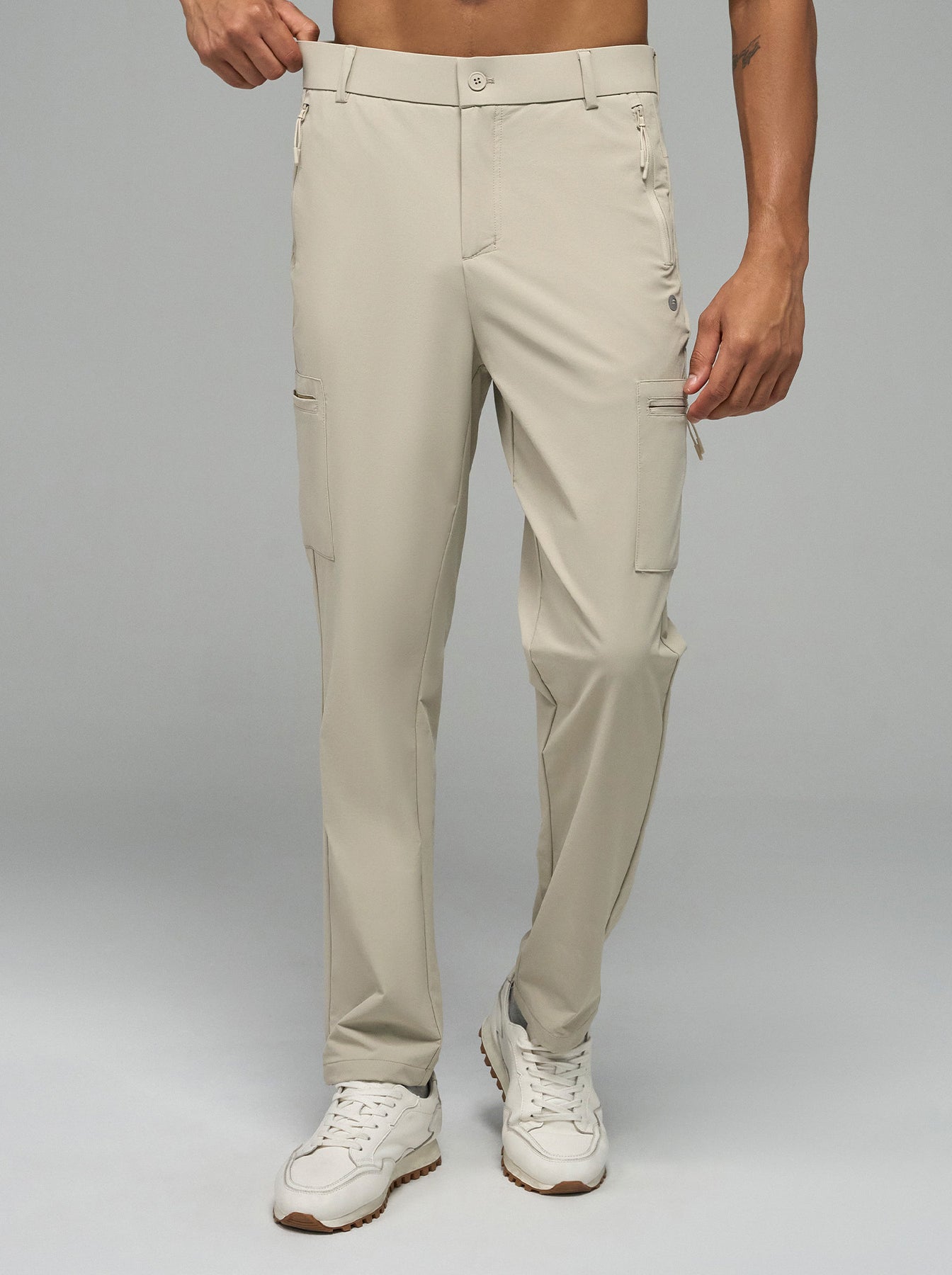
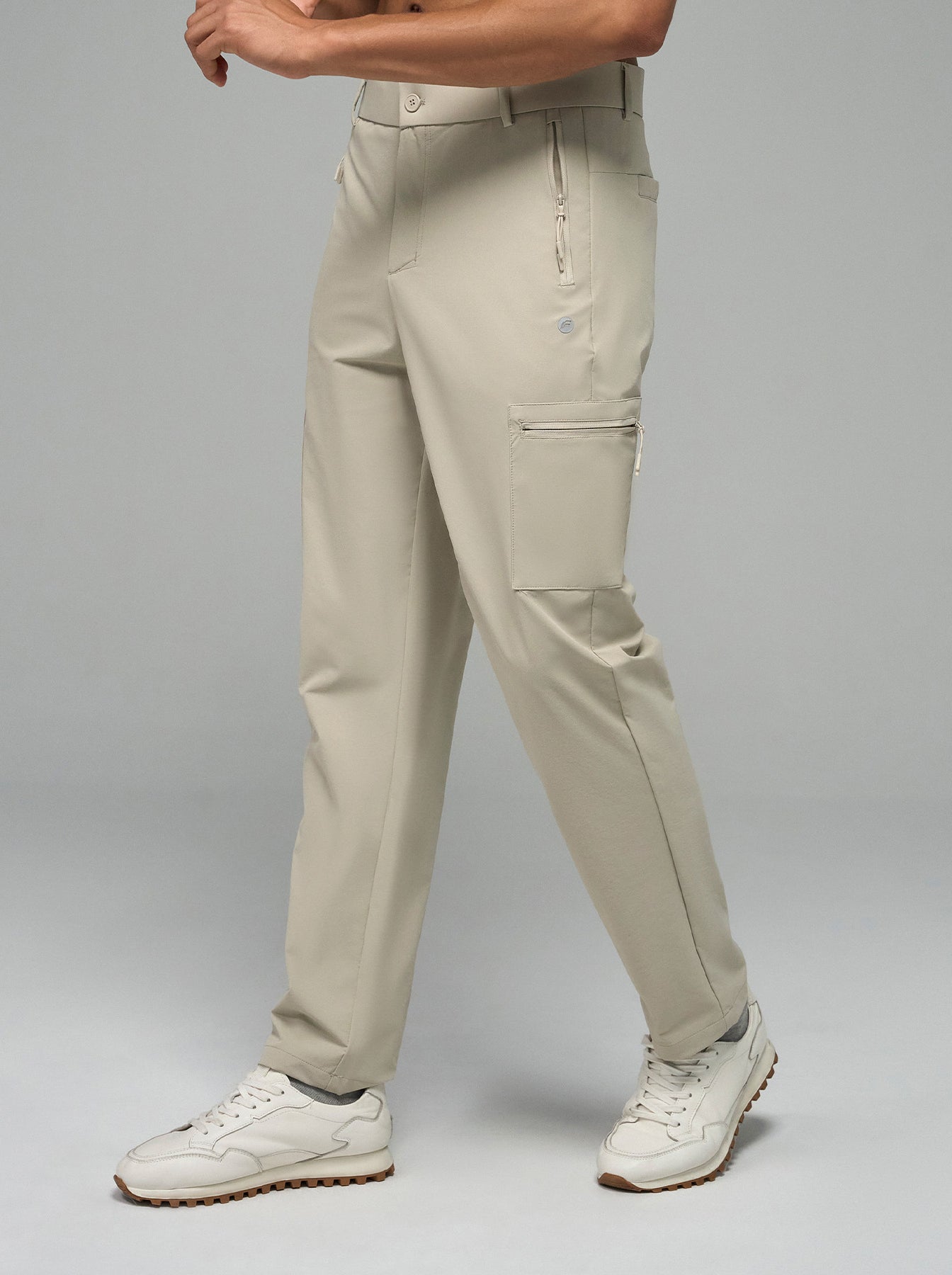


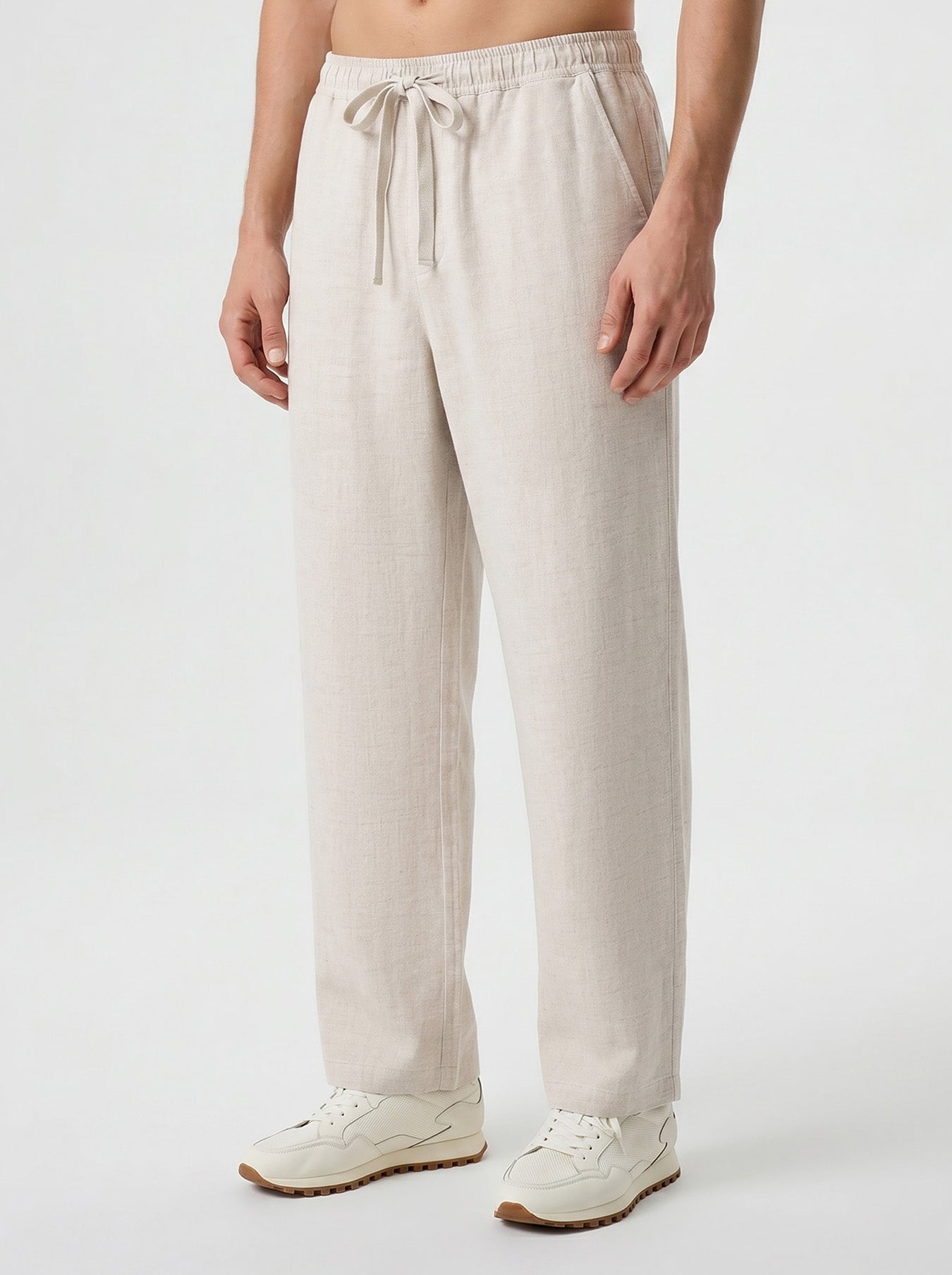
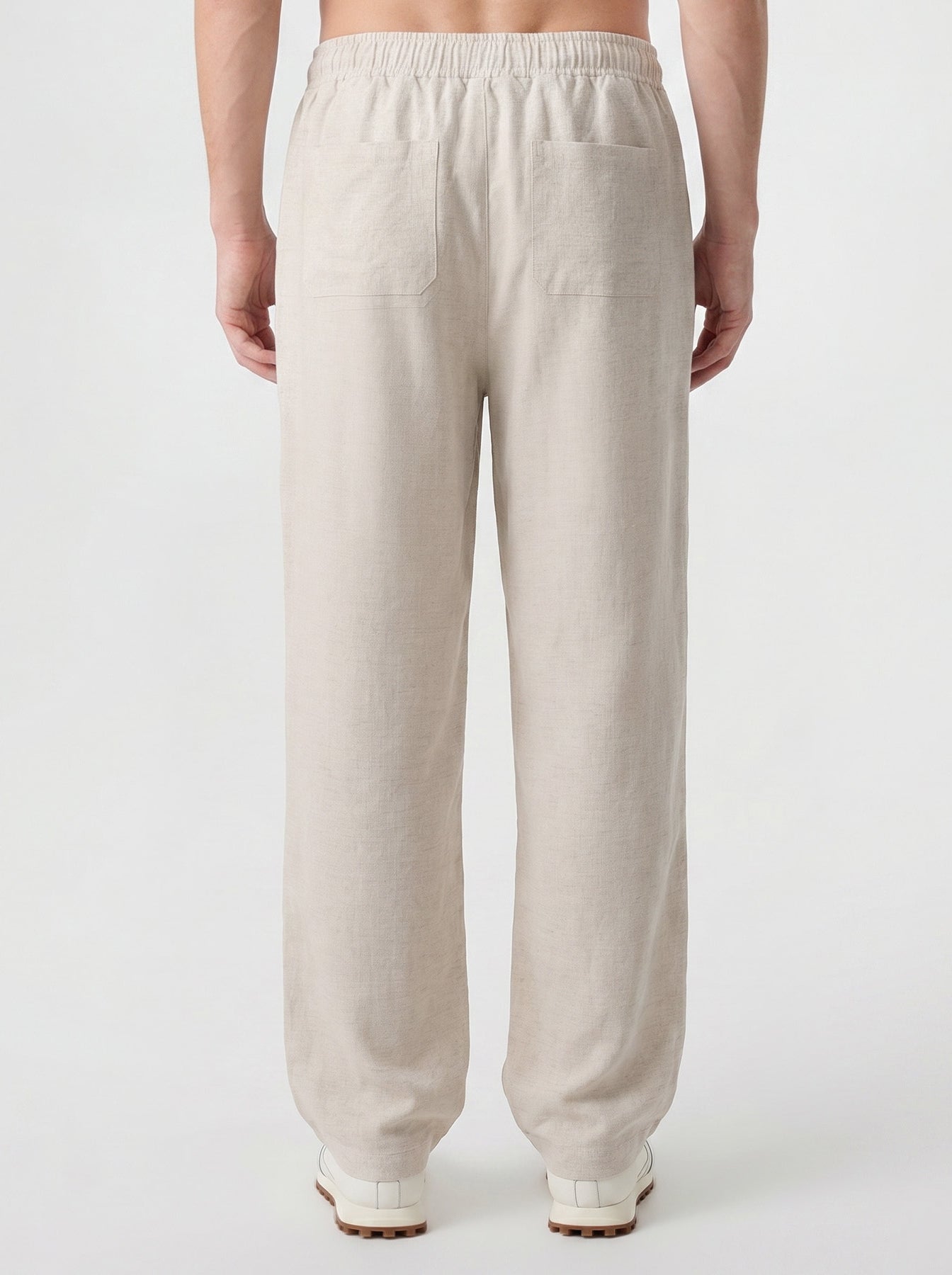


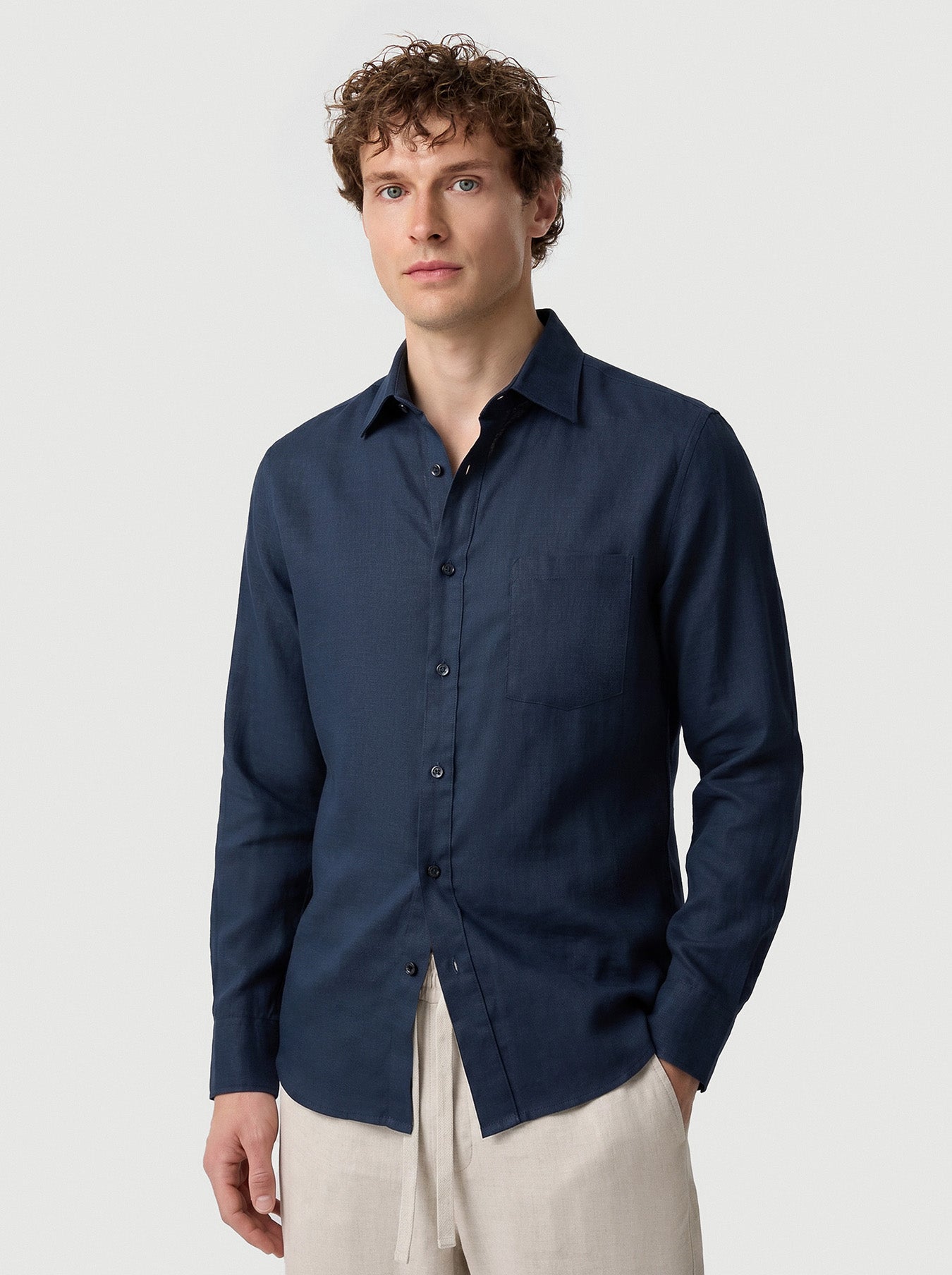


Is Stretch Fabric Breathable? What You Need to Know
Stretch fabric is everywhere—from everyday T-shirts and joggers to activewear, travel pants, and casual clothing. Its ability to move with the body makes it comfortable, but one question often comes up when choosing stretch clothing:
The short answer is: sometimes, but stretch itself does not determine breathability.
A fabric can have excellent stretch and still feel cool and comfortable, while another stretch fabric may feel warm or less airy. What matters is the combination of fiber content, fabric construction, weight, and finishing.
There is also more to stretch fabric than breathability. Over time, repeated washing, heat, friction, and everyday wear can affect its elasticity and shape.
In this guide, we'll look at what really affects stretch fabric performance and answer some of the most common questions about caring for it.
Is Stretch Fabric Breathable?
Stretch fabric can be breathable, but stretchability and breathability are two different properties.
Stretch describes how easily a fabric can extend and recover when you move. Breathability refers to how easily air and moisture can move through the fabric.
For example, a lightweight stretch fabric made with breathable fibers and an open or lightweight construction can feel cool and airy. A dense, heavyweight stretch fabric may retain more heat even if it has excellent elasticity.
Several factors influence how breathable a stretch fabric feels:
- Fiber type: Natural and regenerated fibers such as cotton, linen, and certain cellulose-based fibers can offer good airflow and moisture comfort.
- Fabric weight: Lightweight fabrics generally allow heat to escape more easily than heavy fabrics.
- Knitting or weaving structure: A fabric's construction affects how much air can move through it.
- Moisture management: Quick-drying or moisture-wicking fabrics can feel more comfortable when you sweat.
- Amount of stretch fiber: A small amount of elastane or spandex can provide stretch without necessarily making the entire fabric feel heavy.
So when shopping for summer or active clothing, don't simply look for the word "stretch." Look at the entire fabric composition and construction.
Does Stretch Fabric Lose Elasticity?
Yes. Stretch fabric can gradually lose some of its elasticity with repeated use.
This is a normal part of fabric aging. Every time an elastic fiber is stretched and released, it experiences mechanical stress. Over a long period, repeated stretching can reduce its ability to return completely to its original shape.
However, good-quality stretch fabric should not suddenly become loose after only a few wears.
The actual lifespan depends on factors such as:
- Fiber quality
- Fabric construction
- How frequently the garment is worn
- How far the fabric is repeatedly stretched
- Exposure to high temperatures
- Washing and drying habits
- Friction during everyday use
A garment worn occasionally and washed carefully may maintain its shape much longer than one that is worn and washed several times every week.


Why Does Stretch Fabric Lose Its Shape?
Loss of shape is not caused by stretching alone.
Heat, chemicals, friction, and repeated stress can all contribute.
One of the biggest factors is excessive heat. High temperatures can place additional stress on elastic fibers, particularly when garments are repeatedly exposed to hot washing or high-heat drying.
Another factor is mechanical stress. Areas such as the knees, waistband, elbows, and seat of pants may experience repeated stretching throughout the day. Over time, these areas can show more noticeable changes than parts of the garment that move less.
Improper storage can also contribute. Leaving a garment stretched over a hanger, for example, may put unnecessary tension on certain areas.
This is why fabric care is an important part of maintaining the original fit.
How Do You Wash Stretch Fabric?
The safest approach is to follow the garment's care label first, because different fiber blends require different care.
In general, these habits can help protect elasticity:
Use cold or cool water
Cooler water is usually gentler on stretch fibers than hot water.
Choose a gentle cycle
A gentle or delicate washing cycle can reduce unnecessary mechanical stress.
Avoid excessive detergent
More detergent does not necessarily mean cleaner clothes. Excess detergent can be difficult to rinse completely and may affect the feel of the fabric.
Turn garments inside out
Turning stretch clothing inside out can reduce surface friction and help protect the outer appearance.
Avoid bleach unless the care label specifically allows it
Harsh chemicals may damage certain fibers and finishes.
Don't leave wet stretch clothing sitting for too long
After washing, remove the garment promptly rather than leaving it compressed and damp inside the machine.
For everyday stretch clothing such as joggers, pants, T-shirts, and activewear, gentle washing and moderate temperatures are usually a better long-term strategy than aggressive cleaning.
Can You Put Stretch Fabric in the Dryer?
Sometimes—but high heat is generally not the best choice for stretch garments.
The dryer itself isn't automatically a problem. The bigger concern is prolonged exposure to high temperatures.
If the care label allows tumble drying, choose a low-heat or delicate setting whenever possible. If the garment is particularly stretchy or you want to maximize its lifespan, air drying is often the gentler option.
Avoid treating every stretch garment the same way. A cotton-spandex T-shirt, a pair of performance joggers, and a technical activewear garment may have very different care requirements.
When in doubt, check the care label.

Does Spandex Shrink?
Spandex itself does not behave exactly like natural fibers such as cotton, but garments containing spandex can still change in size or shape when exposed to excessive heat or improper care.
It's also important to distinguish shrinkage from loss of elasticity.
A garment may feel smaller because another fiber in the fabric blend has shrunk. In another situation, the fabric may feel different because its elastic fibers have been affected by heat.
For example, a cotton-spandex garment contains both cotton and spandex. Cotton can shrink, while excessive heat may also affect the garment's stretch recovery.
That means "Does spandex shrink?" isn't always the most useful question.
A better question is:
How should a spandex-blend garment be cared for to maintain its original size and stretch?
In most cases, following the care label, avoiding unnecessary high heat, and using gentle washing methods are good practices.
How Long Does Stretch Fabric Last?
There isn't one universal lifespan for stretch fabric.
A well-made stretch garment can remain comfortable and functional for years, while a heavily used garment may show changes much sooner.
Instead of measuring durability only by time, look for signs of fabric aging:
- The fabric no longer returns to its original shape
- Waistbands remain loose after being stretched
- Knees or elbows stay visibly stretched
- The fabric becomes noticeably thinner
- Surface fibers begin to deteriorate
- Stretch recovery becomes uneven
- The garment no longer fits as it originally did
The good news is that how you care for stretch clothing can significantly influence how long it remains wearable.
A garment that is washed gently, protected from excessive heat, and not subjected to unnecessary stress will generally have a better chance of maintaining its original performance.
How to Make Stretch Clothing Last Longer
If you want your favorite stretch pants, joggers, or activewear to stay comfortable for as long as possible, a few simple habits can make a difference.
Wash less aggressively
Not every garment needs a heavy-duty wash cycle. Use the gentlest effective setting.
Keep temperatures moderate
Cold or cool washing and low-heat drying can help reduce unnecessary stress.
Don't over-stretch the garment
Clothing is designed to move with your body, but repeatedly forcing fabric beyond its intended range can accelerate wear.
Rotate frequently worn clothes
Wearing the same stretch garment every day means it experiences repeated stretching, washing, and friction. Rotating between several pieces gives each garment more time between uses and washes.
Store clothing in a way that doesn't distort its shape
Avoid hanging garments in ways that place constant tension on waistbands, shoulders, or other stretchy areas.
What Should You Look for When Buying Stretch Fabric Clothing?
If you're shopping for stretch clothing, don't judge quality by stretch alone.
A fabric that stretches extremely far isn't necessarily better.
Instead, consider these five things:
Stretch recovery
Does the fabric return to its original shape after stretching?
Fabric weight
Does the weight make sense for the intended use? Lightweight stretch fabrics may work well for warm weather, while heavier constructions can be better suited to cooler conditions.
Breathability
For summer, travel, or active use, consider whether the fabric can manage heat and moisture comfortably.
Fabric composition
Check which fibers provide the main characteristics of the garment and how much stretch fiber is included.
Intended use
A fabric designed for lounging doesn't necessarily need the same performance characteristics as one designed for running, golf, commuting, or travel.
The best stretch fabric is ultimately the one that balances comfort, recovery, breathability, durability, and the needs of the activity.
Stretch Fabric Isn't Just About Stretch
It's easy to think of stretch as a single feature: the fabric either stretches or it doesn't.
In reality, a good stretch garment involves a much bigger balance.
You want enough flexibility to move naturally, but you also want the fabric to recover its shape. You want comfort without unnecessary heat. You want softness without sacrificing durability.
That's why the best stretch clothing isn't necessarily the fabric with the most elasticity.
It's the fabric that continues to perform well after the hundredth movement, the tenth wash, and months of everyday wear.
For everyday clothing, travel, and active lifestyles, this balance can make a noticeable difference. A thoughtfully designed stretch garment can give you the freedom to move while still looking polished and feeling comfortable throughout the day.
Is All Stretch Fabric Breathable?
No. Breathability depends on fiber type, fabric weight, construction, and moisture management—not simply whether a fabric stretches.
Does Stretch Fabric Become Loose Over Time?
It can. Repeated stretching, heat, friction, and improper care may gradually reduce stretch recovery.
Is It Better to Air Dry Stretch Fabric?
Air drying is generally a gentle option because it avoids prolonged exposure to dryer heat. Always follow the garment's care label.
Can You Wash Stretch Fabric in Hot Water?
It depends on the garment, but cooler water is generally a safer choice for preserving elasticity.
How Can I Tell If Stretch Fabric Is Good Quality?
Look beyond how much it stretches. Good stretch fabric should offer a useful balance of stretch, recovery, comfort, breathability, and durability.
Does More Spandex Mean Better Stretch?
Not necessarily. More stretch fiber can change how a fabric feels and performs, but overall quality depends on the fiber blend, construction, and intended use.
Final Takeaway
So, is stretch fabric breathable? It can be—but breathability depends on much more than stretch.
And when it comes to keeping stretch clothing in good condition, the same principle applies: elasticity, durability, and shape retention depend on the entire fabric system and how the garment is treated.
Remember these simple rules:
- Stretch does not automatically mean breathable.
- Elasticity can decrease with repeated stress and improper care.
- Excessive heat can accelerate fabric damage.
- Cold or cool washing is generally gentler.
- Low-heat drying or air drying can help protect elasticity.
- Spandex-blend garments may change shape or size when exposed to improper care.
- Fabric lifespan depends on both material quality and everyday use.
Understanding these details makes it easier to choose stretch clothing that isn't just comfortable when you first put it on—but continues to feel and fit well over time.