







Warum dehnbare Hosen bequemer sind: Wie dehnbarer Stoff den Unterschied macht
Ein Paar von 1 Stretchhosen kann am Kleiderbügel toll aussehen und sich trotzdem nach wenigen Stunden des Tragens unangenehm anfühlen.
Vielleicht fühlt sich der Hosenbund beim Sitzen zu eng an. Vielleicht spannt der Stoff über Ihren Oberschenkeln, wenn Sie laufen. Oder Sie merken, dass Ihre Hose jedes Mal, wenn Sie sich bücken, hocken oder Treppen steigen, Ihre Bewegungen behindert.
Genau hier können Dehnhosen einen spürbaren Unterschied machen.
In unseren vorherigen Artikeln haben wir uns angesehen, was 4-Wege-Stretchgewebe ist und wie 2-Wege-Stretch im Vergleich zum 4-Wege-Stretch. Anstatt diese Grundlagen zu wiederholen, wirft dieser Artikel einen genaueren Blick auf etwas Praktischeres:
Warum fühlen sich Dehnhosen angenehmer an, und was macht eigentlich ein gutes Paar Dehnhosen aus?
Die Antwort ist nicht einfach „weil der Stoff dehnbar ist“. Komfort ergibt sich daraus, wie Stoff, Passform, Verarbeitung und Dehnungsleistung gemeinsam wirken.
Warum fühlen sich Dehnhosen bequemer an?
Der Hauptvorteil von Stretchhosen ist ihre Fähigkeit, natürliche Körperbewegungen uneingeschränkt zu ermöglichen.
Ihr Körper bleibt nicht den ganzen Tag in einer einzigen Position. Sie sitzen, stehen, laufen, beugen sich, steigen Treppen hinauf, steigen in Autos ein und wieder aus und wechseln ständig Ihre Position.
Steife Hosen müssen diese Bewegungen hauptsächlich durch ihren Schnitt und ihre Größengestaltung ermöglichen.
Stretchhosen haben einen weiteren Vorteil: Der Stoff selbst passt sich Bewegungen an.
Wenn Sie die Knie beugen oder sich setzen, kann sich der Stoff leicht dehnen, statt sofort an Ihrem Körper zu ziehen.
Dies kann dazu beitragen, das Gefühl von Einschränkungen in Bereichen wie den folgenden zu reduzieren:
- Taille
- Hüften
- Sitz
- Oberschenkel
- Knie
Das Ergebnis ist eine Hose, die sich bei alltäglichen Bewegungen weniger einschränkend anfühlt.
Warum nicht dehnbare Hosen sich einengend anfühlen können
Traditionelle, nicht dehnbare Stoffe sind relativ stabil.
Diese Stabilität kann nützlich sein, wenn Sie möchten, dass Ihre Hosen eine knackige Form behalten – sie kann aber auch Spannungen erzeugen, wenn Ihr Körper die Position wechselt.
Überlege dir, was passiert, wenn du dich hinsetzt.
Ihre Taille beugt sich, Ihre Hüften drehen sich und Ihre Oberschenkel bewegen sich. Ihr Körper befindet sich nicht in genau derselben Position, in der er war, als Sie standen.
Ein steifes Hosenpaar kann nur in begrenztem Maße auf diese Veränderungen reagieren
Möglicherweise ist Ihnen aufgefallen:
- Ein enger Taillenbund beim Sitzen
- Zieht an den Oberschenkeln
- Eingeschränkte Bewegungsfreiheit im Kniebereich
- Der Stoff ballt sich in bestimmten Bereichen
- Erhöhte Anspannung beim Beugen
Ein gut konzipiertes Paar Stretchhosen kann einige dieser Probleme lindern, indem es dem Stoff ermöglicht, sich Ihren Bewegungen anzupassen.
Dehnbare Hosen bieten eine flexiblere Passform
Einer der größten Vorteile von Stretchhosen ist, dass sie Flexibilität bieten können, ohne zwingend einen lockeren Sitz erfordern zu müssen.
Das ist wichtig, denn bequeme Hosen müssen nicht übergroß wirken.
Eine Hose kann eine relativ schlichte, stromlinienförmige Silhouette haben, während sie dir trotzdem genügend Bewegungsfreiheit bietet.
Stellen Sie sich zwei Hosen mit ähnlichem Schnitt vor.
Das nicht dehnbare Paar stützt sich stark auf sein Schnittmuster und seine Größenauslegung, um Komfort zu erzeugen.
Das Stretch-Paar verfügt über eine weitere Variable: Stoffflexibilität.
Wenn Sie sich bewegen, kann das Gewebe einen Teil der daraus entstehenden Veränderungen aufnehmen, anstatt ihnen Widerstand entgegenzusetzen
Dies kann besonders nützlich sein im Umfeld der:
- Taille
- Hüften
- Sitz
- Oberschenkel
- Knie
Das ist einer der Gründe, warum bequeme Stretch-Hosen ein relativ gepflegtes Erscheinungsbild mit größerer Bewegungsfreiheit verbinden können.


Der Bund ist wichtiger, als du denkst
Beim Einkauf von Stretchhosen ist es einfach, sich ausschließlich auf den Stoff rund um die Beine zu konzentrieren.
Aber auch der Bund kann einen ebenso großen Einfluss auf den Tragekomfort haben.
Ihre Taille verändert sich im Laufe des Tages geringfügig. Sitzen, Stehen, Essen, Gehen und Bewegung können alle beeinflussen, wie sich ein Hosenbund anfühlt.
Ein steifer Taillenbund bietet nur geringe Flexibilität.
Ein Taillenbund mit der passenden Menge an Dehnbarkeit kann eine verzeihendere Passform bieten, ohne sich locker anzufühlen.
Dies kann besonders nützlich sein für:
- Lange Arbeitstage
- Pendeln
- Reisen
- Längeres Sitzen
- Alltagstaugliche Freizeitbekleidung
Allerdings ist mehr Dehnbarkeit nicht automatisch besser.
Wenn sich ein Bund zu leicht dehnt, kann ihm die erforderliche Stütze fehlen, und er fühlt sich weniger sicher an.
Das Ziel ist kontrollierte Flexibilität, keine uneingeschränkte Dehnbarkeit.
Stretchhosen sind nicht nur zum Sitzen
Ein häufiger Grund, warum Menschen Stretchhosen wählen, sind lange Stunden am Schreibtisch.
Aber ihre Vorteile reichen weit über das Sitzen hinaus.
Denken Sie daran, wie viel Bewegung im Laufe eines gewöhnlichen Tages stattfindet:
- Ein- und Aussteigen aus einem Auto
- Treppensteigen
- Sich nach unten beugen
- Schnelles Gehen
- Einkäufe tragen
- Reisen mit Gepäck
- Einsteigen in öffentliche Verkehrsmittel
- Durch die Stadt radfahren
Diese Aktivitäten sind nicht zwangsläufig Workouts, aber sie alle erfordern, dass sich Ihre Kleidung mit Ihnen mitbewegt.
Deshalb sind Stretchhosen für Herren und weitere alltägliche Stretchbekleidung immer vielseitiger geworden.
Das richtige Paar kann einige der Bewegungsvorteile bieten, die mit Activewear verbunden sind, ohne zwangsläufig wie Fitnessstudio-Bekleidung auszusehen.

Warum Dehnhosen sich perfekt für den täglichen Gebrauch eignen
Moderne Kleidung muss nicht immer nur für einen bestimmten Anlass konzipiert sein.
Ein einzelnes Hosenpaar muss unter Umständen für folgende Zwecke geeignet sein:
Morgendliche Pendelfahrt → Büro → Mittagessen → Spaziergang → Reisen → Abendessen
An dieser Stelle können Dehnhosen besonders nützlich sein.
Statt für jede Aktivität eine separate Hose besitzen zu müssen, können Sie sich für ein Paar entscheiden, das Komfort, Optik und Flexibilität optimal in sich vereint
Dies ist besonders relevant für Garderoben im Smart-Casual- sowie athleisure-inspirierten Stil.
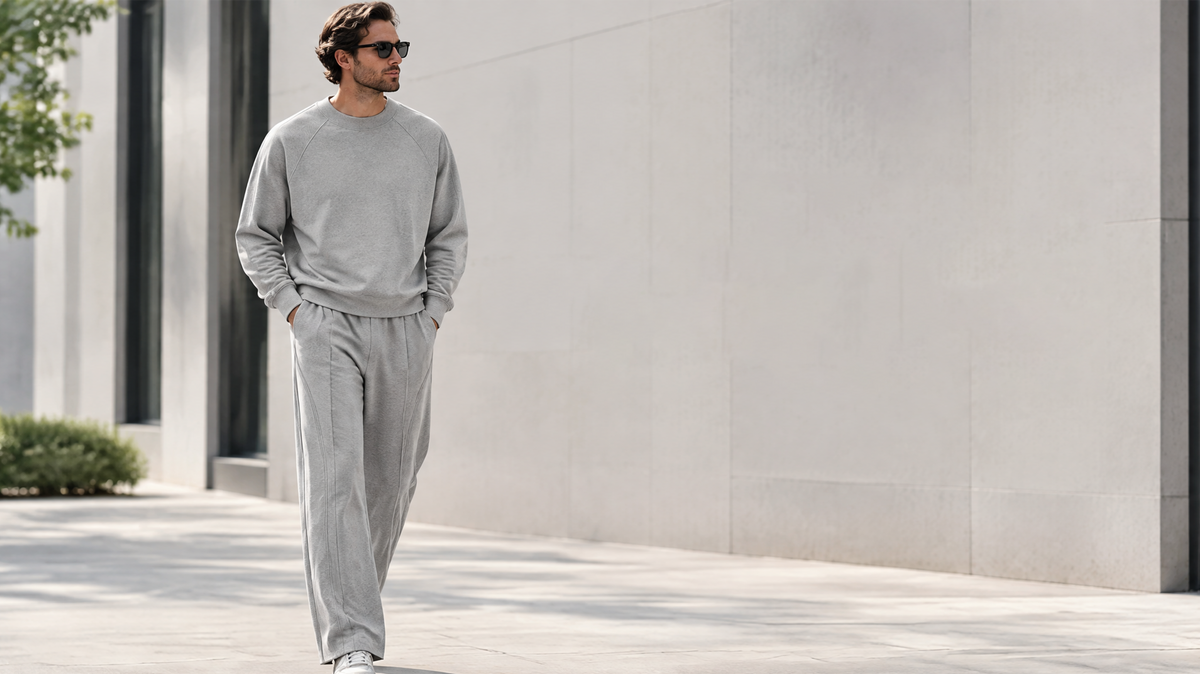
Ein gepflegtes Paar Dehnhosen lässt sich mit einem Hemd oder Poloshirt elegant stylen, oder mit einem T-Shirt oder lässigen Sweatshirt leger kombinieren.
Das Ergebnis ist ein flexiblerer Kleiderschrank, ohne dass Sie mehr Kleidung benötigen.
Spielt die Dehnrichtung bei Dehnhosen eine Rolle?
Ja.
Nicht alle Stretchhosen verhalten sich genau gleich.
Wie wir in unserem vorherigen Artikel zu 2-Wege- vs. 4-Wege-Stretchgewebe erläutert haben, beeinflusst die Dehnungsrichtung, wie ein Kleidungsstück auf Bewegungen reagiert.
2-Wege-Stretch bietet kontrollierte Flexibilität in einer Hauptrichtung. Diese Eigenschaft eignet sich hervorragend für strukturierte Alltagshosen, bei denen der Erhalt der Form wichtig ist.
4-Wege-Stretch bietet Flexibilität sowohl in der Länge als auch in der Breite, was für Aktivitäten mit häufigem Beugen, Drehen und multidirektionalen Bewegungen nützlich sein kann
Aber das bedeutet nicht, dass jedes Paar Stretch-Hosen 4-Wege-Stretch benötigt.
Ein Paar Arbeitshosen und ein Paar Trainingshosen haben unterschiedliche Verwendungszwecke.
Die richtige Wahl hängt von der vorgesehenen Verwendung des Kleidungsstücks ab.
Wenn Sie sich also für Stretchhosen entscheiden, gehen Sie nicht automatisch davon aus, dass mehr Dehnbarkeit einen höheren Tragekomfort bedeutet.
Die Dehnerholung ist unverzichtbar für gute Stretch-Hosen
Es gibt noch einen weiteren Faktor, der bestimmen kann, ob Stretchhosen über die Zeit hinweg bequem bleiben:
Dehnrückvermögen.
Stell dir vor, du setzt dich und dehnst den Stoff um deine Knie herum.
Der Stoff muss sich dehnen, wenn du dich bewegst.
Aber wenn du wieder aufstehst, sollte es in der Lage sein, in seine ursprüngliche Form zurückzukehren.
Falls die Genesung schlecht verläuft, können Sie mit der Zeit Folgendes bemerken:
- Lockere Knie
- Ein gedehnter Taillenbund
- Lockere, ausgebeulte Stellen rund um den Sitz
- Verlust der ursprünglichen Silhouette
Deshalb brauchen gute Stretchhosen eine ausgewogene Balance zwischen Flexibilität und Rückstellkraft.
Stretch ermöglicht es dem Kleidungsstück, sich mit Ihnen zu bewegen.
Die Recovery-Eigenschaft hilft dem Kleidungsstück, danach seine Form zu behalten.
Beide sind wichtig.
Die Stoffzusammensetzung beeinflusst ebenfalls den Tragekomfort
Die Dehnbarkeit ist nur einer der Faktoren, die dafür sorgen, dass Stretchhosen angenehm zu tragen sind.
Die Faserzusammensetzung des Stoffes kann ebenfalls beeinflussen, wie sich die Hosen anfühlen und wie gut sie im Gebrauch funktionieren.
Unterschiedliche Fasern können folgende Aspekte beeinflussen:
- Weichheit
- Luftdurchlässigkeit
- Feuchtigkeitsmanagement
- Langlebigkeit
- Gewicht
- Formstabilität
- Trocknungsgeschwindigkeit
Deshalb können sich zwei Paare Stretchhosen völlig unterschiedlich anfühlen, selbst wenn beide als "Stretch" gekennzeichnet sind
- Man kann sich leicht und geschmeidig fühlen.
- Ein anderes mag sich weich und wertig anfühlen.
- Ein Dritter könnte sich strukturierter und unterstützender fühlen.
Beim Einkauf von Stretchhosen lohnt es sich, nicht nur bei dem Wort „Stretch“ stehenzubleiben, sondern die gesamte Stoffkonstruktion zu prüfen.
Sind Stretch-Hosen immer besser als Hosen ohne Stretch?
Nicht unbedingt.
Nicht dehnbare Stoffe haben nach wie vor wichtige Vorteile.
Wenn Sie auf der Suche nach stark formstabilen Hosen mit einem klaren, gepflegten Erscheinungsbild sind, ist ein traditioneller Stoff möglicherweise die bessere Wahl.
Stretch-Hosen erweisen sich als besonders nützlich, wenn Komfort, Flexibilität und alltägliche Bewegungsfreiheit wichtige Prioritäten sind.
Also anstatt zu fragen: Sind Stretchhosen besser?
Frage: Was müssen meine Hosen tun?
Wenn Sie den Großteil Ihres Tages damit verbringen, zwischen verschiedenen Aktivitäten zu wechseln, kann Stretch ein erheblicher Vorteil sein.
Wenn ein sehr strukturierter Auftritt für formelle Anlässe Ihre Priorität ist, ist ein steiferes Gewebe möglicherweise vorzuziehen.
Was macht die besten Stretch-Hosen aus?
Wenn du nach den besten Stretchhosen suchst, konzentriere dich nicht allein auf die Dehnbarkeit.
Betrachten Sie das gesamte Kleidungsstück.
Angemessene Dehnbarkeit
Der Stoff sollte genug Flexibilität für die vorgesehene Aktivität bieten, ohne sich übermäßig locker anzufühlen.
Gutes Dehnrückvermögen
Der Stoff sollte nach einer Bewegung wieder zu seiner ursprünglichen Form zurückkehren.
Bequeme Konstruktion
Nähte, die Gestaltung des Bundes, die Platzierung der Taschen und die gesamte Verarbeitung können allesamt den Tragekomfort beeinflussen.
Geeignetes Stoffgewicht
Leichtgewichtige Stretch-Hosen können bei warmem Wetter nützlich sein, während schwerere Stoffe mehr Struktur und Wärme bieten können.
Die richtige Passform
Selbst erstklassiges Stretchgewebe kann eine schlechte Passform nicht ausgleichen.
Stretch sollte eine gute Passform verbessern – nicht ersetzen.
Gewebeleistung
Je nachdem, wie du die Hose tragen möchtest, solltest du außerdem Folgendes in Betracht ziehen:
- Atmungsaktivität
- Feuchtigkeitsmanagement
- Schnelltrocknende Leistung
- Knitterfestigkeit
- Langlebigkeit
Die besten Dehnhosen sind diejenigen, die diese Merkmale passend zu ihrem vorgesehenen Verwendungszweck kombinieren.
Stretch-Hosen für modernes Alltagsleben
Der Reiz von Stretch-Hosen lässt sich letztlich auf eine einfache Idee zurückführen:
Kleidung sollte sich dem Träger anpassen, statt den Träger ständig zu zwingen, sich der Kleidung anzupassen.
Moderne Lebensweisen sind selten auf eine einzige Tätigkeit beschränkt.
Eine Person kann zur Arbeit pendeln, mehrere Stunden an einem Schreibtisch verbringen, durch die Stadt laufen, Besorgungen erledigen und sich mit Freunden zum Abendessen treffen – und das alles an ein und demselben Tag.
Kleidung muss Schritt halten.
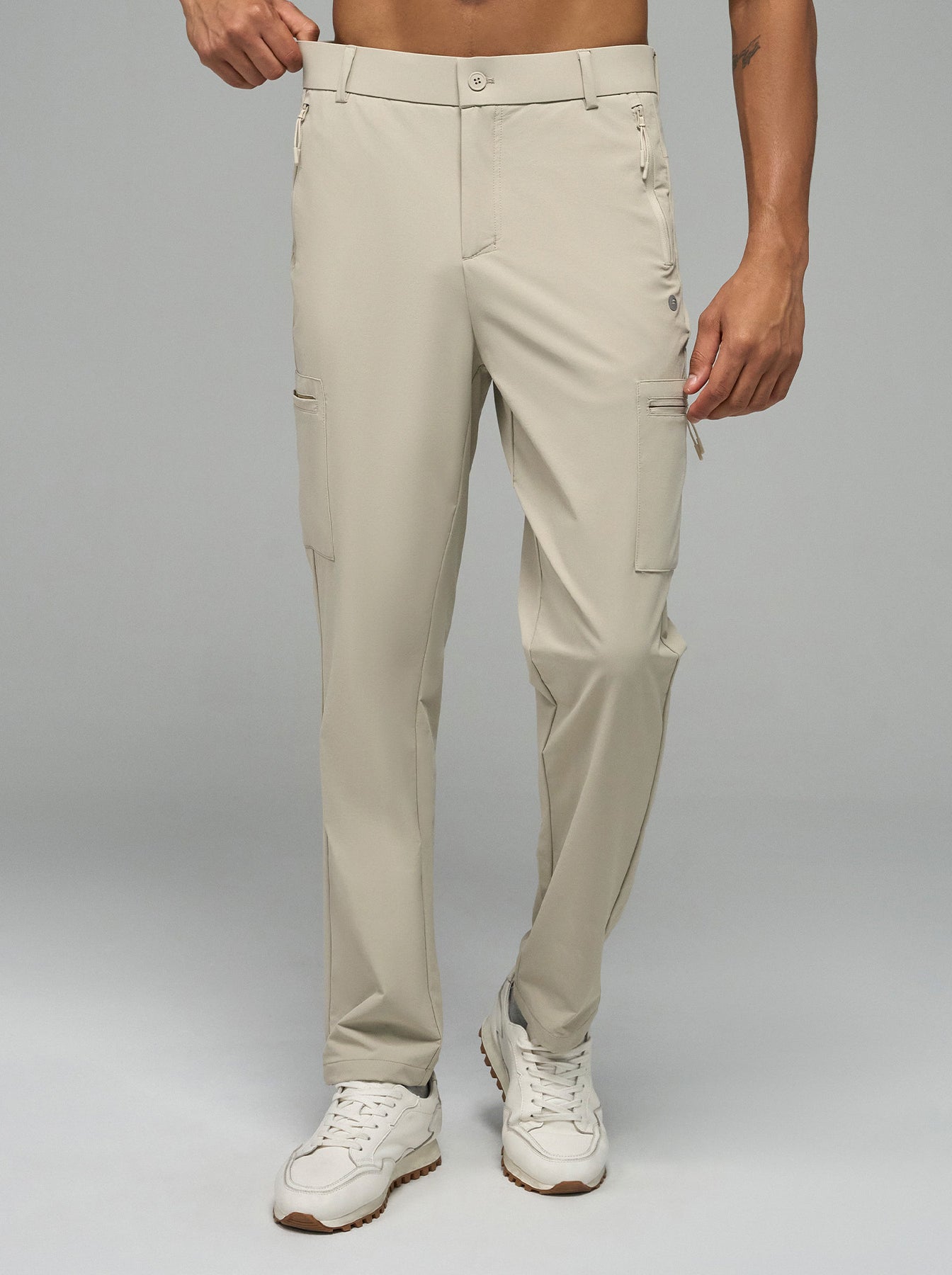
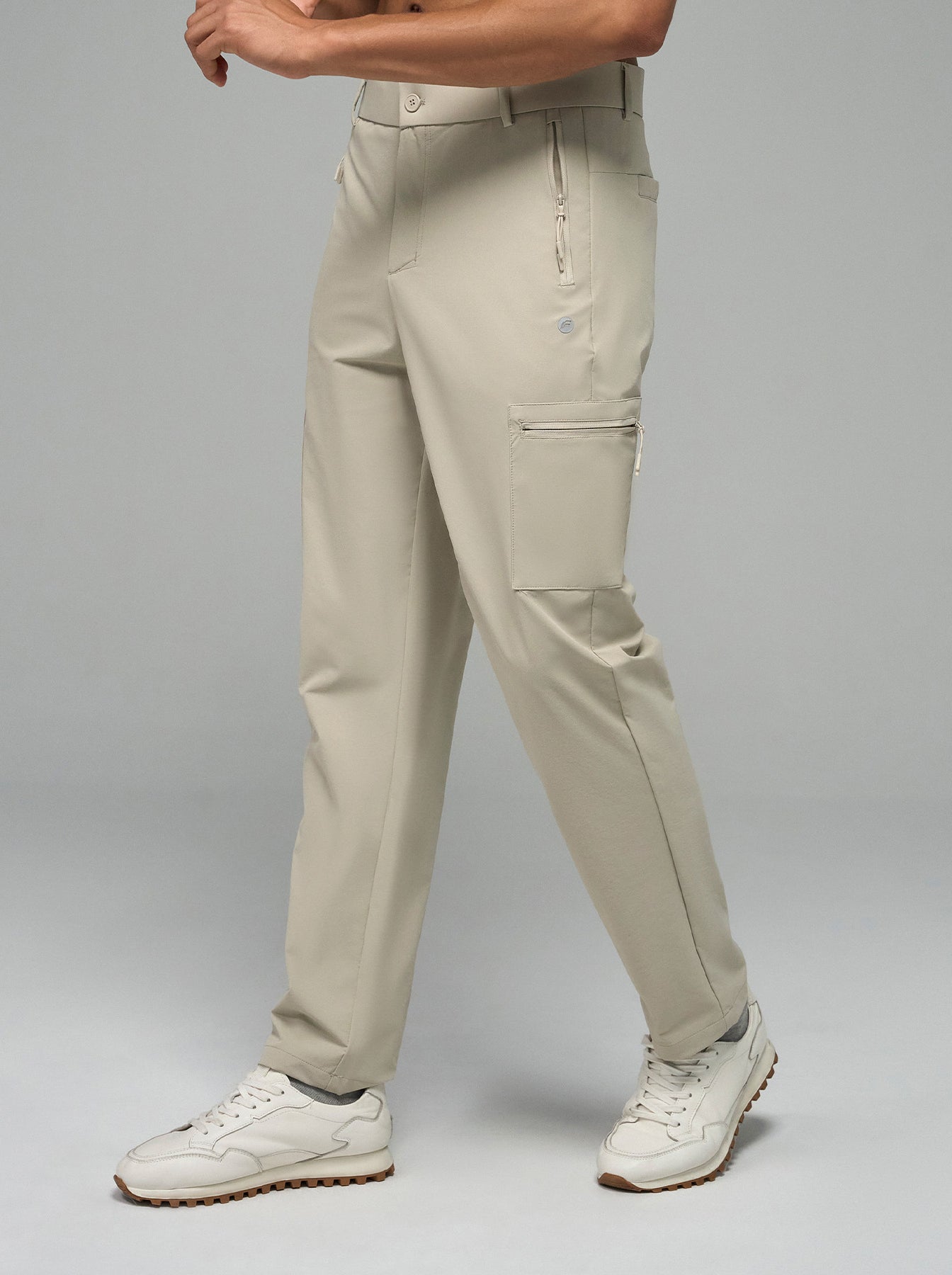
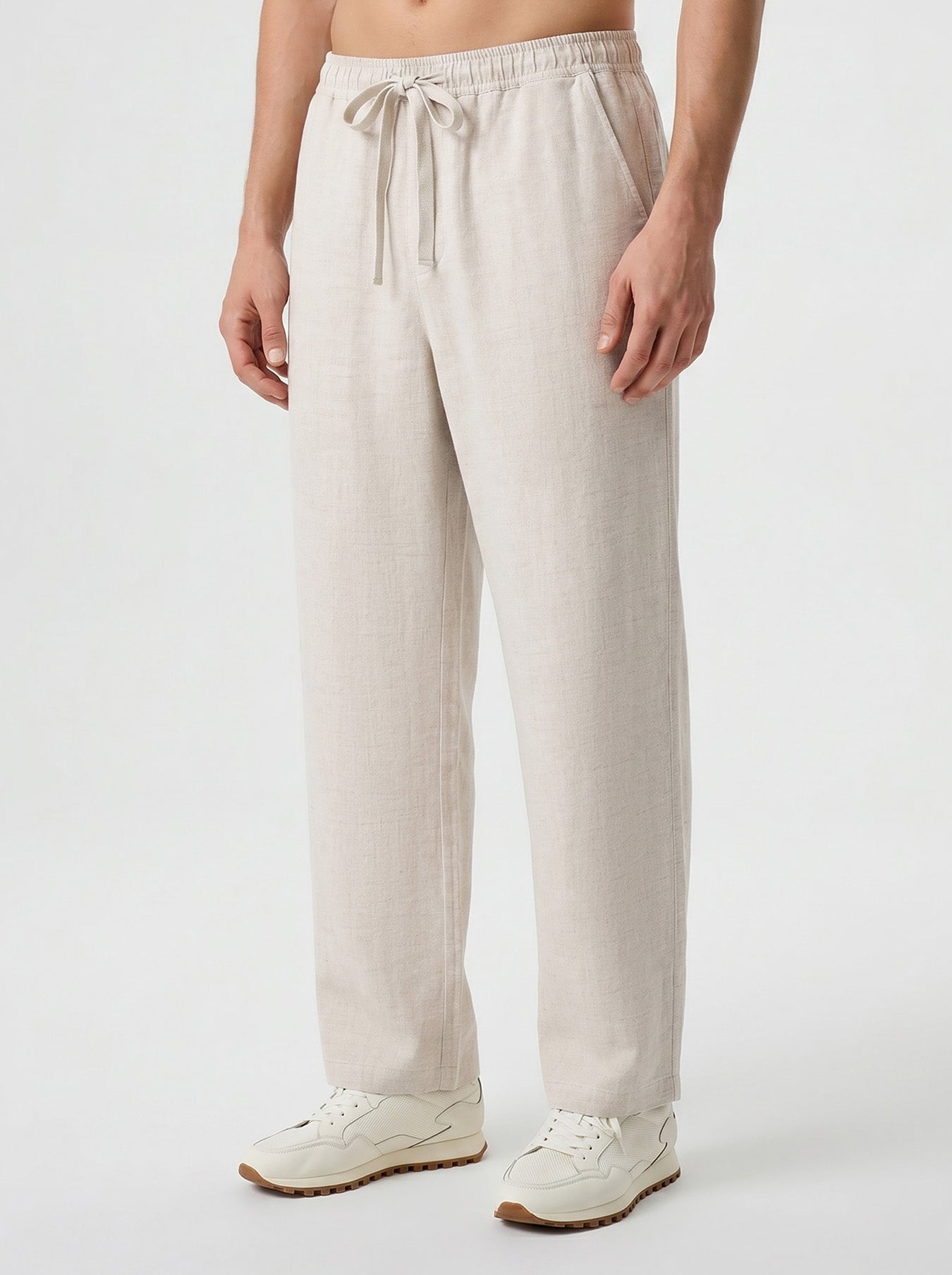
Dies ist ebenfalls Teil des Konzepts hinter Fiobocs Ansatz für Alltagskleidung. Seine Kollektion umfasst Stretchhosen, Jogger, Reisekleidung und leistungsorientierte Teile, die auf Bewegungsfreiheit und alltäglichen Tragekomfort ausgelegt sind.
Das Ziel ist es nicht, dass sich jedes Hosenpaar wie Sportbekleidung anfühlt.
Stattdessen lassen sich nützliche Performance-Merkmale wie Flexibilität, komfortable Bewegungsfreiheit und eine einfache Alltagstauglichkeit in Kleidung integrieren, die auch außerhalb des Fitnessstudios noch angemessen aussieht.
Warum Sind Stretchhosen Bequemer?
Stretchhosen können angenehmer sein, da sich ihr Gewebe den Bewegungen Ihres Körpers anpasst, statt ihnen Widerstand zu leisten. Wenn Sie sitzen, sich bücken, gehen oder Treppen steigen, ermöglicht die Dehnbarkeit des Stoffes, dass Bereiche wie Bund, Hüften, Oberschenkel und Knie sich natürlicher bewegen können.
Lassen Stretch-Hosen dich schlanker aussehen?
Das ist nicht unbedingt der Fall. Dehnbarkeit an sich lässt eine Person nicht schlanker wirken. Allerdings ermöglicht die Flexibilität von Stretchgewebe, dass Hosen der Körperform natürlicher folgen und für eine glattere, passgenauere Passform sorgen. Schnitt, Bundhöhe, Stoffgewicht und das gesamte Design haben einen deutlich größeren Einfluss auf die optische Wirkung.
Sind Dehnhosen gut, um den ganzen Tag zu sitzen?
Stretchhosen können eine gute Wahl für Menschen sein, die lange Zeit sitzend verbringen, da der Stoff Veränderungen im Bereich von Taille, Hüften und Knien im Sitzen ausgleichen kann. Für ganztägigen Tragekomfort sind jedoch auch die Konstruktion des Hosenbunds, die Atmungsaktivität, das Stoffgewicht und die allgemeine Passform ebenfalls relevant.
Verlieren Stretchhosen ihre Form?
Das kann passieren, wenn der Stoff eine schlechte Dehnungsrückstellung hat oder wiederholt übermäßigen Belastungen ausgesetzt ist. Hochwertige dehnbare Stoffe sollten nach Bewegung wieder in ihre ursprüngliche Form zurückkehren. Richtiges Waschen und Pflegen kann zudem dazu beitragen, dass die Passform von Stretchhosen langfristig erhalten bleibt.
Sind 4-Wege-Stretch-Hosen bequemer als 2-Wege-Stretch-Hosen?
Nicht unbedingt. 4-Wege-Stretch bietet eine größere Bewegungsfreiheit in mehrere Richtungen, während 2-Wege-Stretch kontrolliertere Flexibilität und mehr Struktur bieten kann. Die bessere Wahl hängt davon ab, wie die Hosen gestaltet sind und wie Sie sie tragen möchten.
Worauf sollte ich achten, wenn ich bequeme Dehnhosen kaufe?
Schauen Sie über das Wort „Dehnung“ hinaus. Berücksichtigen Sie die Dehnungsrichtung des Stoffes, seine Rücksprungkraft, Zusammensetzung, sein Gewicht, die Atmungsaktivität, den Bund, die Verarbeitung und die allgemeine Passform. Die besten bequemen Dehnbundhosen bieten genügend Flexibilität für Ihre Aktivitäten, ohne an Form oder Halt einzubüßen.
Abschließende Gedanken
Stretchhosen können angenehmer sein, da sie es Bekleidung ermöglichen, sich der natürlichen Bewegung Ihres Körpers anzupassen.
Wenn Sie sitzen, gehen, sich bücken oder bewegen, bietet der Stoff zusätzliche Flexibilität, statt ständig an Ihnen zu ziehen.
Aber wahrer Komfort entsteht nicht allein durch Dehnbarkeit.
Dehnungsrichtung, Rückstellvermögen, Materialzusammensetzung, Verarbeitung, Gewicht und Passform wirken alle zusammen, um zu bestimmen, wie sich eine Hose tatsächlich anfühlt.
Deshalb sind die besten Stretchhosen nicht unbedingt diejenigen mit dem meisten Stretch.
Sie sind genau diejenigen, die die richtige Balance aus Flexibilität, Regeneration, Komfort und Passform für die Art und Weise bieten, wie Sie tatsächlich leben und sich bewegen.