







Was ist Kühlgewebe? Die Wissenschaft hinter dem Kühlen bleiben
Wenn Sie sich jemals gefragt haben, warum einige Shirts auch an einem Sommertag mit 95°F (35°C) erfrischend wirken, während andere Sie heiß und klebrig machen, hängt die Antwort oft mit Kühlgewebe zusammen.
Aber was genau ist Kühlgewebe? Funktioniert es wirklich, oder ist es nur ein weiteres Marketing-Buzzword?
Die kurze Antwort lautet Ja—hochwertiges Kühlgewebe kann Ihnen helfen, kühler und komfortabler zu bleiben, aber nicht alle als "kühl" bezeichneten Gewebe funktionieren gleichermaßen. Die besten Kühlgewebe sind so konzipiert, dass sie die Atmungsaktivität verbessern, Feuchtigkeit von der Haut abtransportieren und Wärme effizienter als herkömmliche Materialien abgeben.
In dieser Anleitung erklären wir Ihnen alles, was Sie über Kühlgewebe wissen müssen, vergleichen beliebte Materialien wie Leinen, Viskose und Modal, beantworten häufig gestellte Fragen und helfen Ihnen, die beste Bekleidung für heißes Wetter auszuwählen.
Was ist Kühlgewebe?
Kühlgewebe ist jedes Textil, das entweder konstruiert oder von Natur aus darauf ausgelegt ist, die Körpertemperatur zu regulieren und den Komfort in warmen Bedingungen zu verbessern.
Statt Ihre Körpertemperatur aktiv zu senken, unterstützt Kühlgewebe den natürlichen Kühlprozess Ihres Körpers. Es erreicht dies typischerweise durch eine oder mehrere der folgenden Eigenschaften:
- Hervorragende Atmungsaktivität
- Feuchtigkeitsabtransportierende Leistung
- Schnelltrocknende Fasern
- Leichte Verarbeitung
- Verbesserter Luftstrom
- Geringere Wärmespeicherung
Einige Kühlgewebe erzielen diese Vorteile von Natur aus, während andere auf fortschrittliche Faserntechnologie oder spezielle Gewebestrukturen setzen.
Kurze Antwort: Kühlgewebe macht Ihren Körper nicht kälter—es hilft Ihrem Körper, sich effizienter abzukühlen, indem es Wärme und Feuchtigkeit von der Haut wegbewegt.
Funktioniert Kühlgewebe tatsächlich?
Ja—aber mit einer wichtigen Einschränkung.
Kühlgewebe funktioniert tatsächlich, wenn es aus den richtigen Fasern und der richtigen Verarbeitung hergestellt wird.
Ein als "kühl" beworbenes Shirt ist nicht automatisch besser als jedes normale Baumwoll-T-Shirt. Die Leistung hängt ab von:
- Fasertyp
- Gewebeflecht oder -strick
- Gewebegewicht
- Feuchtigkeitsmanagement
- Luftporosität
Beispielsweise:
- Ein hochwertiges Leinen-Shirt fühlt sich normalerweise kühler an als ein schweres Baumwoll-Shirt.
- Ein leichtes Modal-Mischgewebe fühlt sich oft komfortabler an als dickes Jersey-Baumwolle.
- Ein feuchtigkeitsabtransportierendes Leistungsgewebe trocknet nach dem Schwitzen deutlich schneller.
Deshalb bevorzugen Reisende, Golfer, Wanderer und Pendler gut gestaltete Kühlgewebe-Bekleidung im Sommer.
Wie funktioniert Kühlgewebe?
Die meisten Kühlgewebe basieren auf drei zentralen Prinzipien:
Feuchtigkeitsmanagement
Schweiß kühlt Ihren Körper auf natürliche Weise durch Verdunstung ab.
Kühlgewebe bewegt Schweiß von der Haut weg, sodass er schneller verdunstet.
Besserer Luftstrom
Offene Flechte und atmungsaktive Fasern ermöglichen einen größeren Luftzirkulation.
Mehr Luftstrom bedeutet weniger eingefangene Wärme.
Schnelleres Trocknen
Nasse Kleidung haftet am Körper und macht Sie sich heißer fühlen.
Schnelltrocknendes Kühlgewebe reduziert dieses unangenehme Gefühl.
Welches Gewebe hält Sie am kühlsten?
Es gibt kein einzelnes "beste" Gewebe für jedermann.
Verschiedene Situationen erfordern verschiedene Materialien.
Gewebe |
Atmungsaktivität |
Schnelltrocknend |
Weichheit |
Am besten geeignet für |
Leinen |
⭐⭐⭐⭐⭐ |
⭐⭐⭐ |
⭐⭐⭐ |
Alltäglicher Sommertrachten |
Modal |
⭐⭐⭐⭐ |
⭐⭐⭐⭐ |
⭐⭐⭐⭐⭐ |
Reise- und Freizeitbekleidung |
Bambusviskose |
⭐⭐⭐⭐ |
⭐⭐⭐⭐ |
⭐⭐⭐⭐ |
Alltäglicher Komfort |
Leistungsfähige Nylonomischtung |
⭐⭐⭐⭐ |
⭐⭐⭐⭐⭐ |
⭐⭐⭐⭐ |
Sport- und Outdooraktivitäten |
Baumwolle |
⭐⭐⭐ |
⭐⭐ |
⭐⭐⭐⭐ |
Mildes Wetter |
Das beste Kühlgewebe hängt von Ihrem Aktivitätsgrad, dem Klima und Ihren persönlichen Vorlieben ab.
Ist Leinen ein Kühlgewebe?
Absolut.
Leinen wird weithin zu den besten natürlichen Kühlgeweben gezählt, die erhältlich sind.
Warum?
- Hohle Leinfasern verbessern den Luftstrom.
- Es absorbiert Feuchtigkeit effizient.
- Wärme entweicht leicht.
- Es fühlt sich auf der Haut kühler an.
Deshalb ist Leinen seit Jahrhunderten ein Favorit in mediterranen Ländern.
Der einzige Nachteil ist, dass reines Leinen leichter knittert als Mischgewebe.
Ist Viskose ein kühles Gewebe?
Ja—mit einigen Einschränkungen.
Viskose wird aus natürlicher Cellulose regeneriert und ist dadurch weicher und atmungsaktiver als viele synthetische Gewebe.
Ein auf Viskose basierendes Kühlgewebe bietet oft:
- Guter Luftstrom
- Angenehmer Griff
- Komfortable Faltenfall
Allerdings ist Viskose nicht immer ideal für Reisen, weil:
- Es kann knattern.
- Einige Viskosegewebe verlieren an Festigkeit, wenn sie nass werden.
- Die Trocknungszeit hängt von der Mischung ab.
Wenn Sie nach besserer Haltbarkeit suchen, ist Modal (eine Art Viskose) oft eine stabilere Wahl.
Ist Modal ein Kühlgewebe?
Ja.
Modal ist heute eines der beliebtesten Kühlgewebe, besonders für Reisebekleidung.
Im Vergleich zu normaler Baumwolle bietet Modal:
- Bessere Atmungsaktivität
- Exzellente Weichheit
- Verbessertes Feuchtigkeitsmanagement
- Bessere Knitterfestigkeit
- Leichter Komfort
Dadurch ist Modal ideal für lange Flüge, Sightseeing und alltägliche Sommertrachten.
Sind synthetische Kühlgewebe besser?
Nicht unbedingt.
Moderne Leistungsgewebe haben sich stark verbessert.
Hochwertige Nylon- oder Polyester-Mischungen können natürliche Fasern bei:
- Laufen
- Wandern
- Fitnesstrainings
- Outdoorsportarten
Da sie extrem schnell trocknen und Feuchtigkeit effizient abtransportieren, sind sie ausgezeichnete Wahlmöglichkeiten, wenn Sie stark schwitzen.
Wie man hochwertiges Kühlgewebe auswählt
Nicht jedes Shirt, das als "kühl" beworben wird, liefert spürbare Leistung.
Vor dem Kauf beachten Sie diese Faktoren:
Atmungsaktivität
Kann Luft frei durch das Gewebe strömen?
Feuchtigkeitsabtransport
Transportiert es Schweiß von der Haut weg?
Gewebegewicht
Leichtere Gewebe fühlen sich normalerweise kühler an.
Dehnfähigkeit
Dehnfähigkeit verbessert den Komfort bei Bewegungen.
Trocknungsgeschwindigkeit
Schnelltrocknende Bekleidung bleibt den ganzen Tag lang komfortabel.
Knitterfestigkeit
Besonders nützlich für Reisen.


Das beste Kühlgewebe für verschiedene Situationen
Für alltägliche Sommertrachten
Wählen Sie:
- Leinen
- Modal
- Bambus-Mischgewebe
Für Reisen
Suchen Sie nach:
- Leichte Bekleidung
- Knitterfeste Gewebe
- Schnelltrocknende Materialien
Für Sportaktivitäten
Wählen Sie Leistungsgewebe mit:
- Feuchtigkeitsabtransportierend
- Vier-Wege-Dehnung
- Schnelltrocknend
Für Bürobekleidung
Modal-Mischungen und hochwertige leichte Gewebe bieten ein gepflegtes Aussehen, ohne den Komfort einzubüßen.
Kühlende Bekleidung auswählen, die funktioniert
Das Gewebe ist nur ein Teil der Gleichung. Auch Verarbeitung und Schnitt spielen eine Rolle.
Beim Einkaufen von Sommerbekleidung suchen Sie nach Stücken mit:
- Lockere oder normale Schnitte, die den Luftstrom ermöglichen.
- Leichte Gewebegewichte.
- Atmungsaktive Flechte.
- Geringe unnötige Auskleidung.
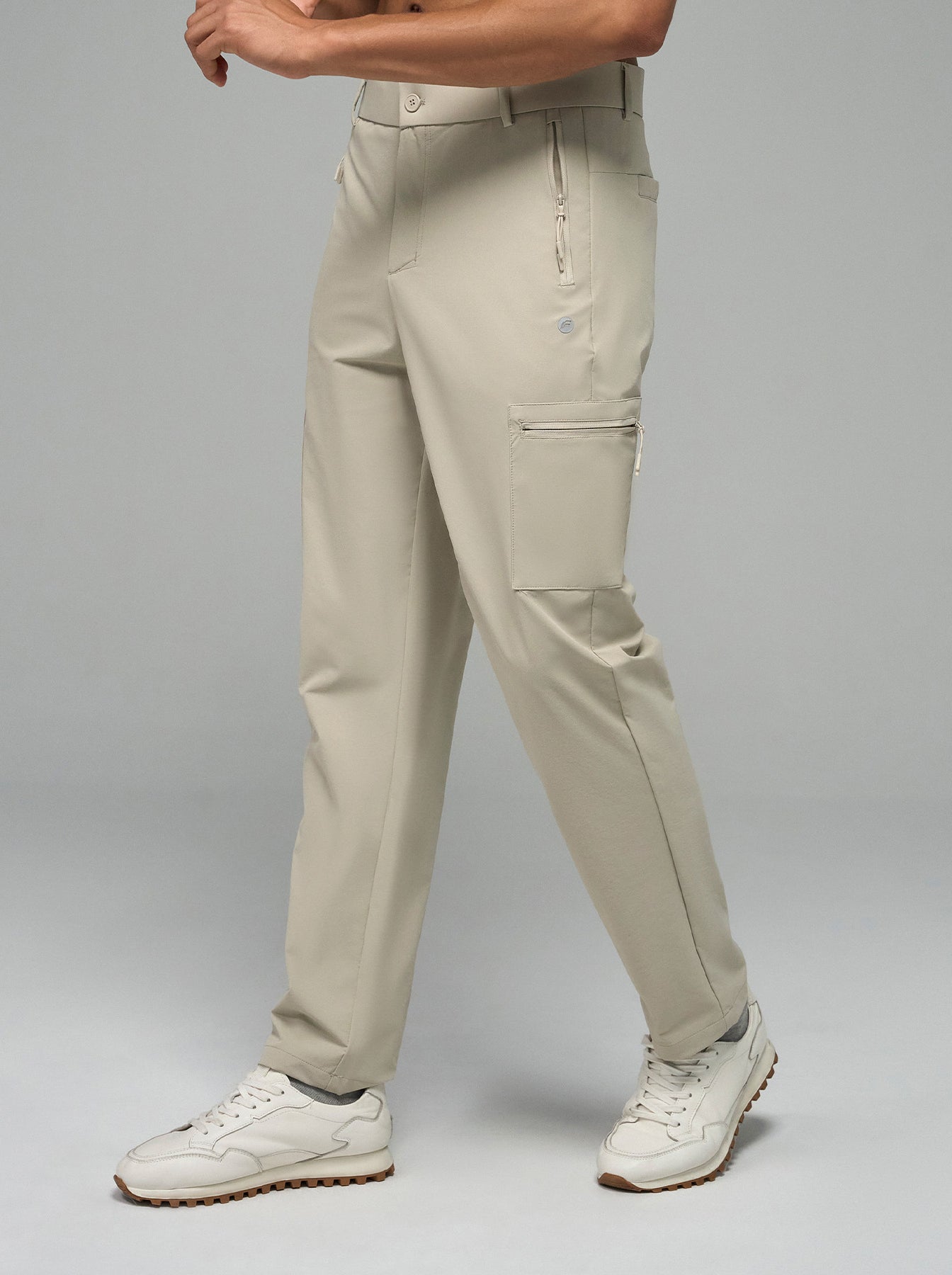
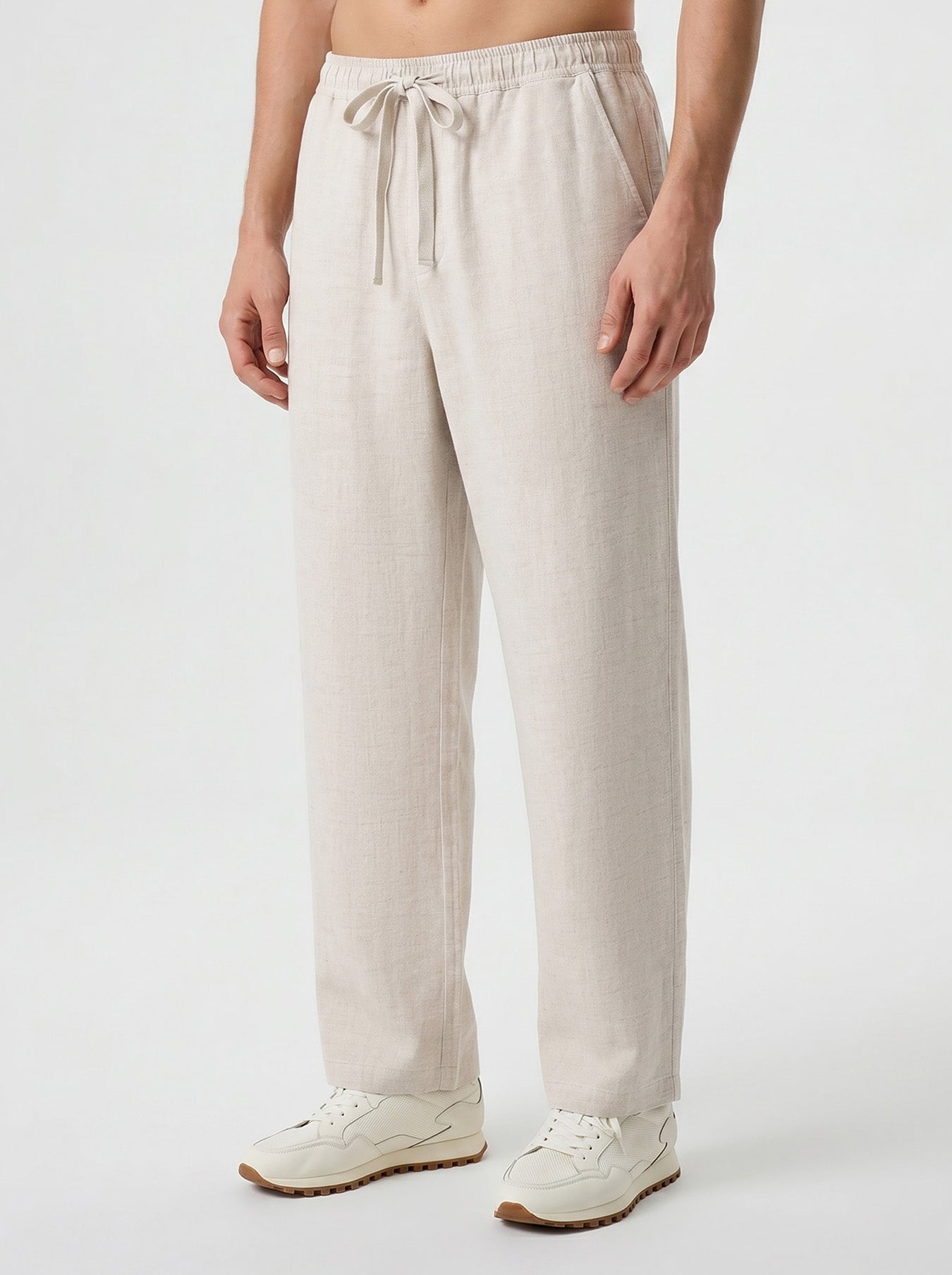
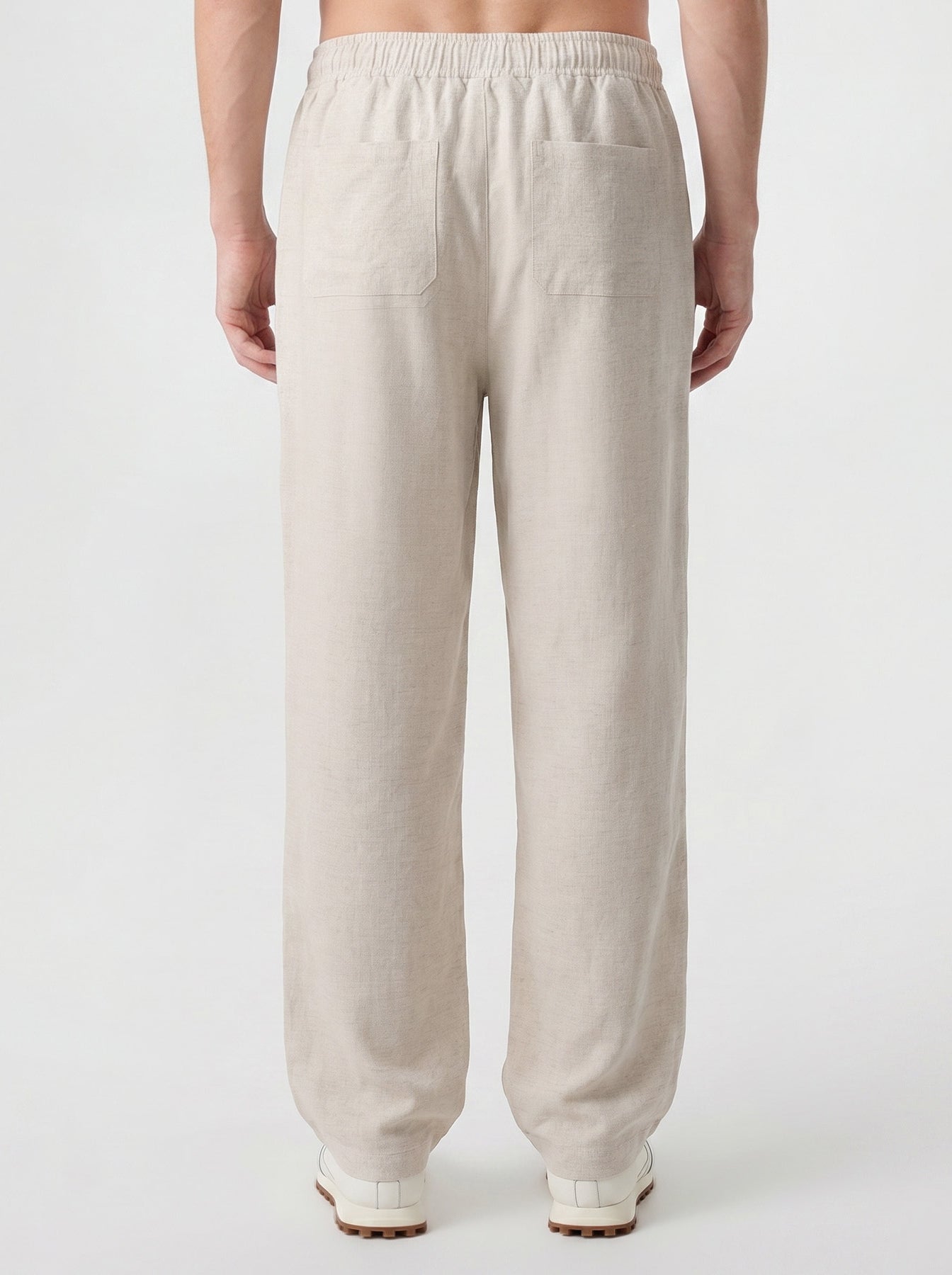
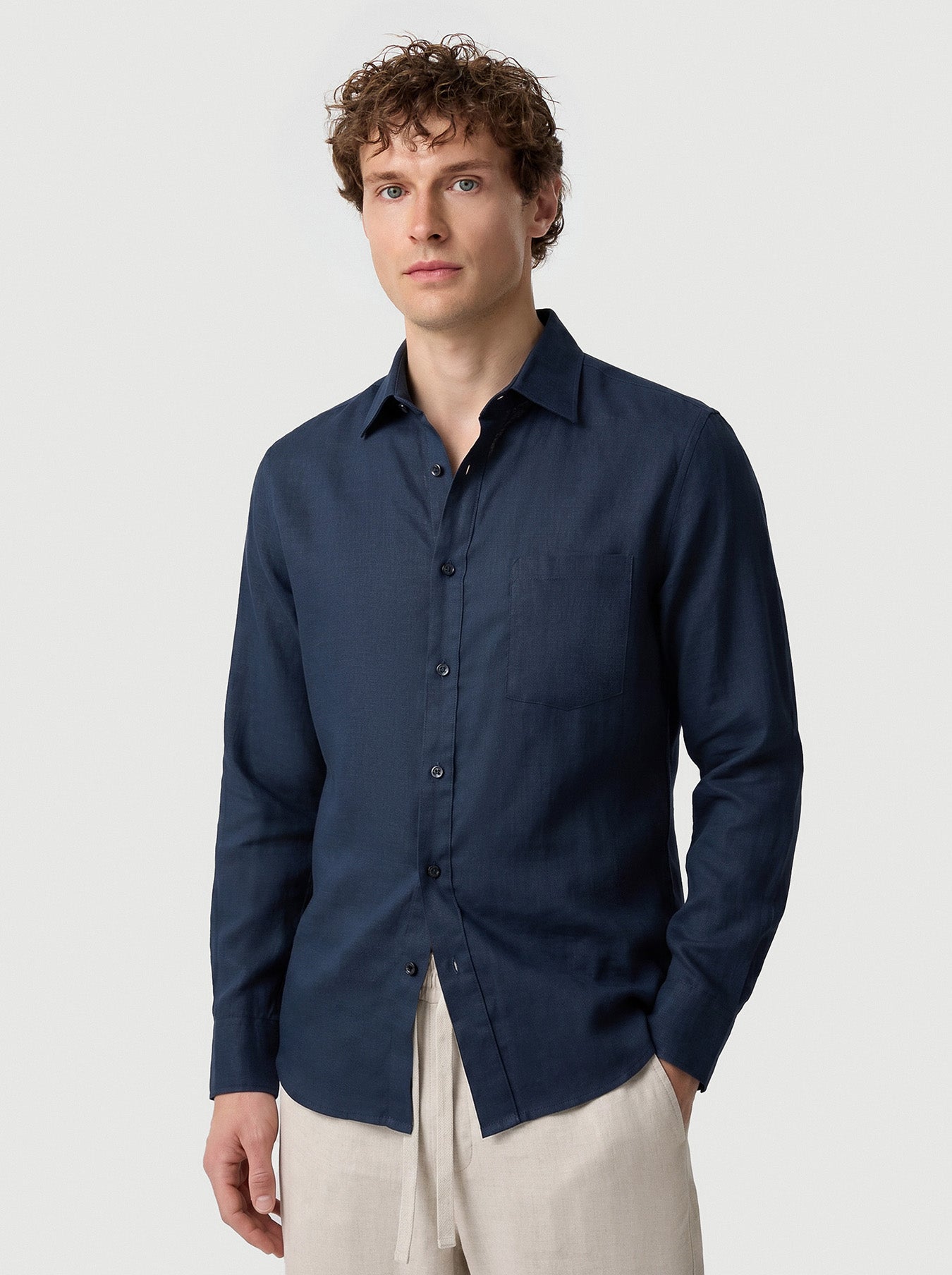
Marken, die sich auf funktionale alltägliche Bekleidung konzentrieren, kombinieren oft natürliche Fasern mit technischen Leistungsmerkmalen. Zum Beispiel, Fioboc bietet Sommer-Essentials aus hochwertigen Leinen-, Modal-Mischungen, bambusbasierten Geweben und schnell trocknenden technischen Materialien. Diese Kollektionen sind darauf ausgelegt, Weichheit, Atmungsaktivität, Feuchtigkeitsmanagement und Knitterfestigkeit miteinander zu verbinden, sodass sie für Pendeln, Reisen und alltägliche Trachten geeignet sind, ohne auf Stil einzubüßen.
Was ist Kühlgewebe?
Kühlgewebe ist ein Material, das darauf ausgelegt ist, die Atmungsaktivität zu verbessern, Feuchtigkeit abzutransportieren und Wärme effizient abzugeben, sodass Sie sich in heißem Wetter wohler fühlen.
Funktioniert Kühlgewebe tatsächlich?
Ja. Hochwertiges Kühlgewebe kann den Komfort verbessern, indem es den Luftstrom erhöht und die Schweißverdunstung beschleunigt, obwohl die Leistung von der Faser und der Gewebeverarbeitung abhängt.
Ist Leinen ein Kühlgewebe?
Ja. Leinen ist eines der besten natürlichen Kühlgewebe, da es atmungsaktiv, leicht und ausgezeichnet darin, Wärme abzugeben.
Ist Viskose ein kühles Gewebe?
Im Allgemeinen ja. Viskose fühlt sich weich und atmungsaktiv an, während Modal—eine Art Viskose—bessere Haltbarkeit und Knitterfestigkeit bietet.
Welches Gewebe hält Sie am kühlsten?
Für alltägliche Trachten sind Leinen und Modal ausgezeichnete Wahlmöglichkeiten. Für hochintensive Aktivitäten sind feuchtigkeitsabtransportierende Leistungsgewebe oft die beste Option.
Worauf sollte ich beim Kauf von kühlender Bekleidung achten?
Priorisieren Sie atmungsaktive, leichte, feuchtigkeitsabtransportierende, schnelltrocknende Gewebe mit komfortablem Schnitt. Diese Eigenschaften haben normalerweise einen größeren Einfluss als alleinige Marketingbehauptungen.
Abschließende Gedanken
Das beste Kühlgewebe wird nicht durch ein einzelnes Material definiert—es ist die Kombination aus atmungsaktiven Fasern, durchdachter Verarbeitung und Leistungsmerkmalen, die Sie komfortabel hält.
Egal, ob Sie die zeitlose Atmungsaktivität von Leinen, die seidige Weichheit von Modal oder die schnelltrocknende Leistung von technischen Geweben bevorzugen: Die Auswahl des richtigen Kühlgewebes kann einen spürbaren Unterschied bei heißem Wetter machen.
Statt sich nur auf die Etikette zu konzentrieren, achten Sie auf Atmungsaktivität, Feuchtigkeitsmanagement, Gewicht und die gesamte Geweequalität. Diese Faktoren haben den größten Einfluss darauf, wie kühl und komfortabel Ihre Bekleidung den ganzen Tag lang anfühlt.