

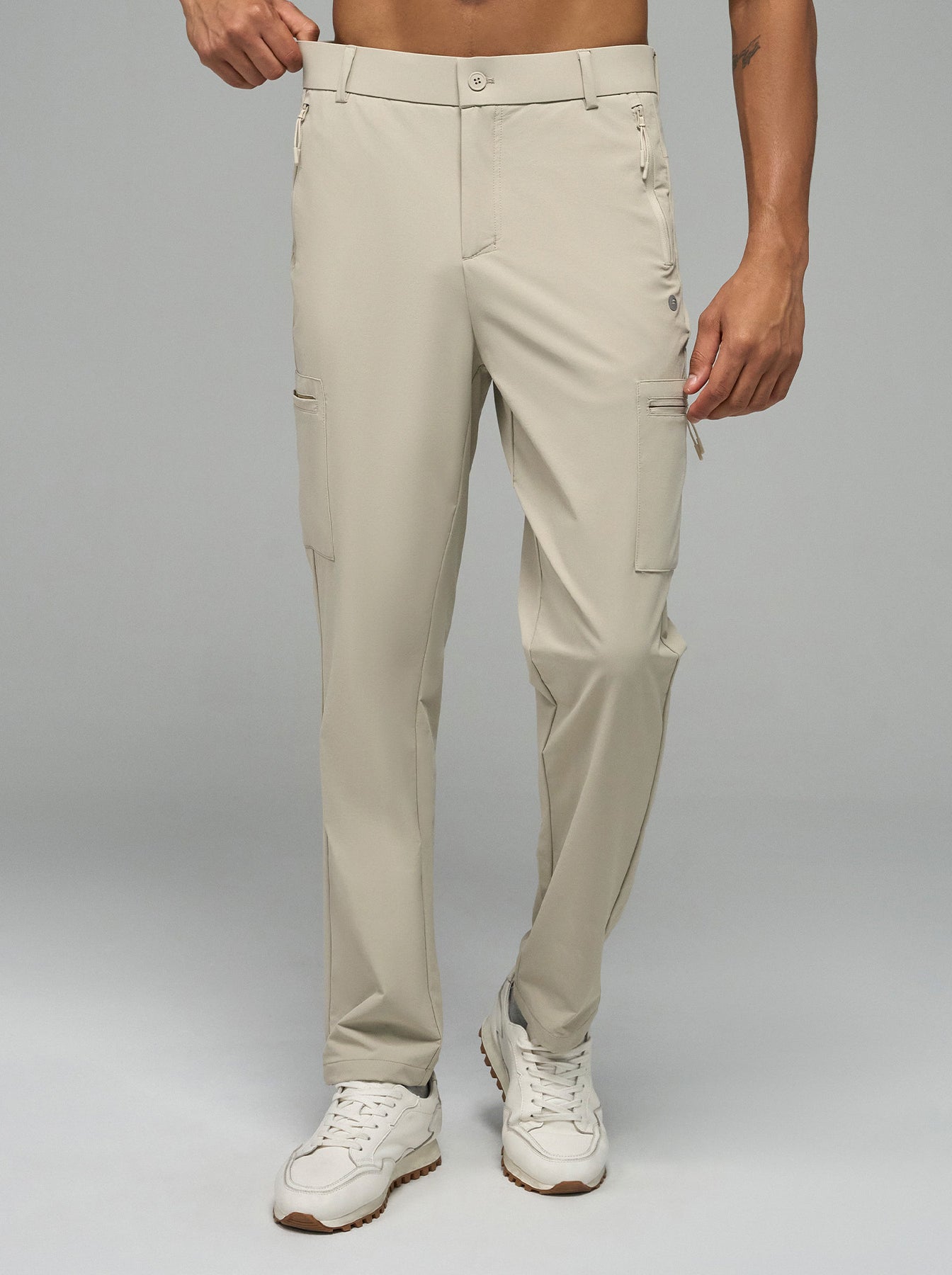
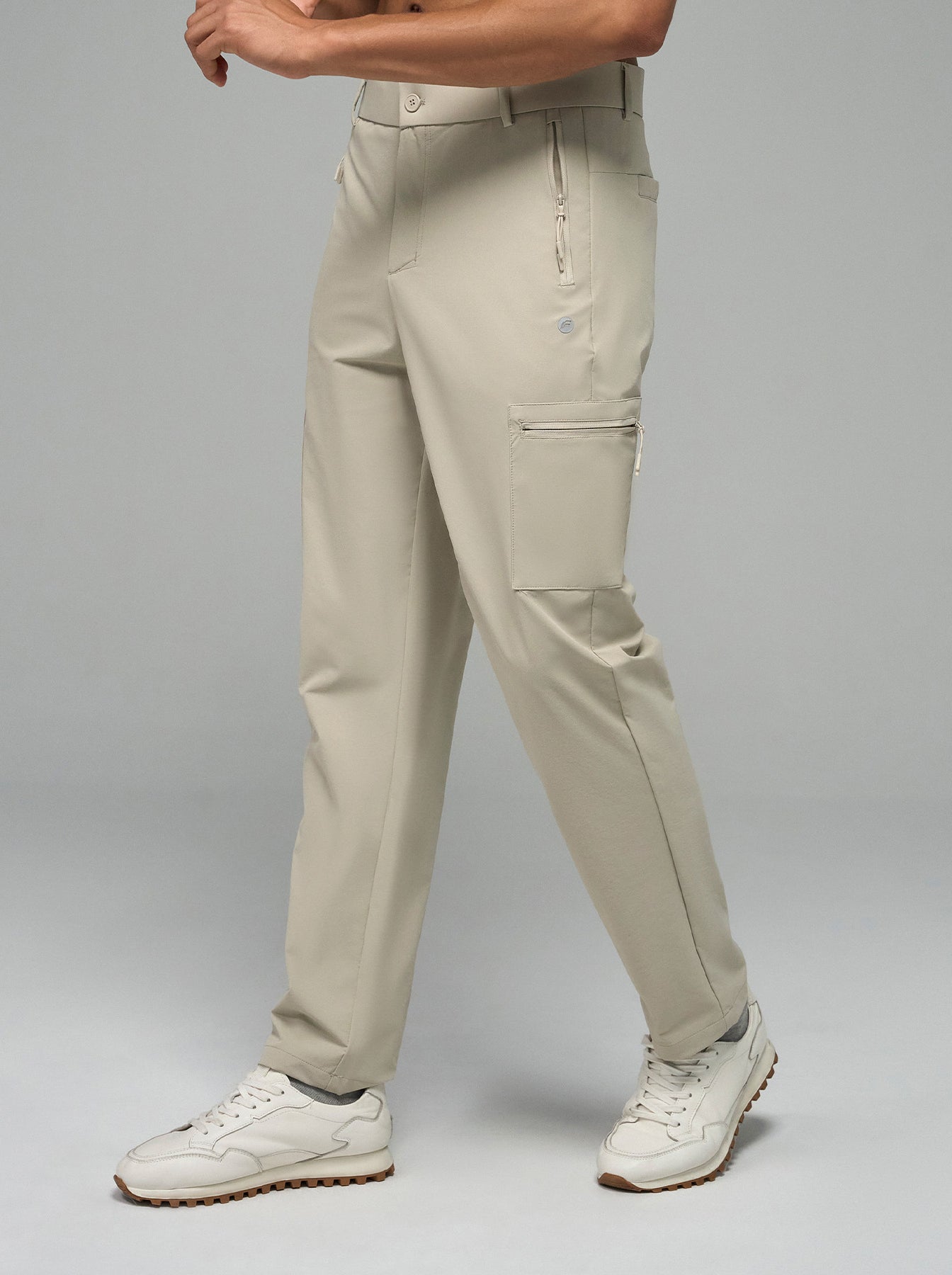


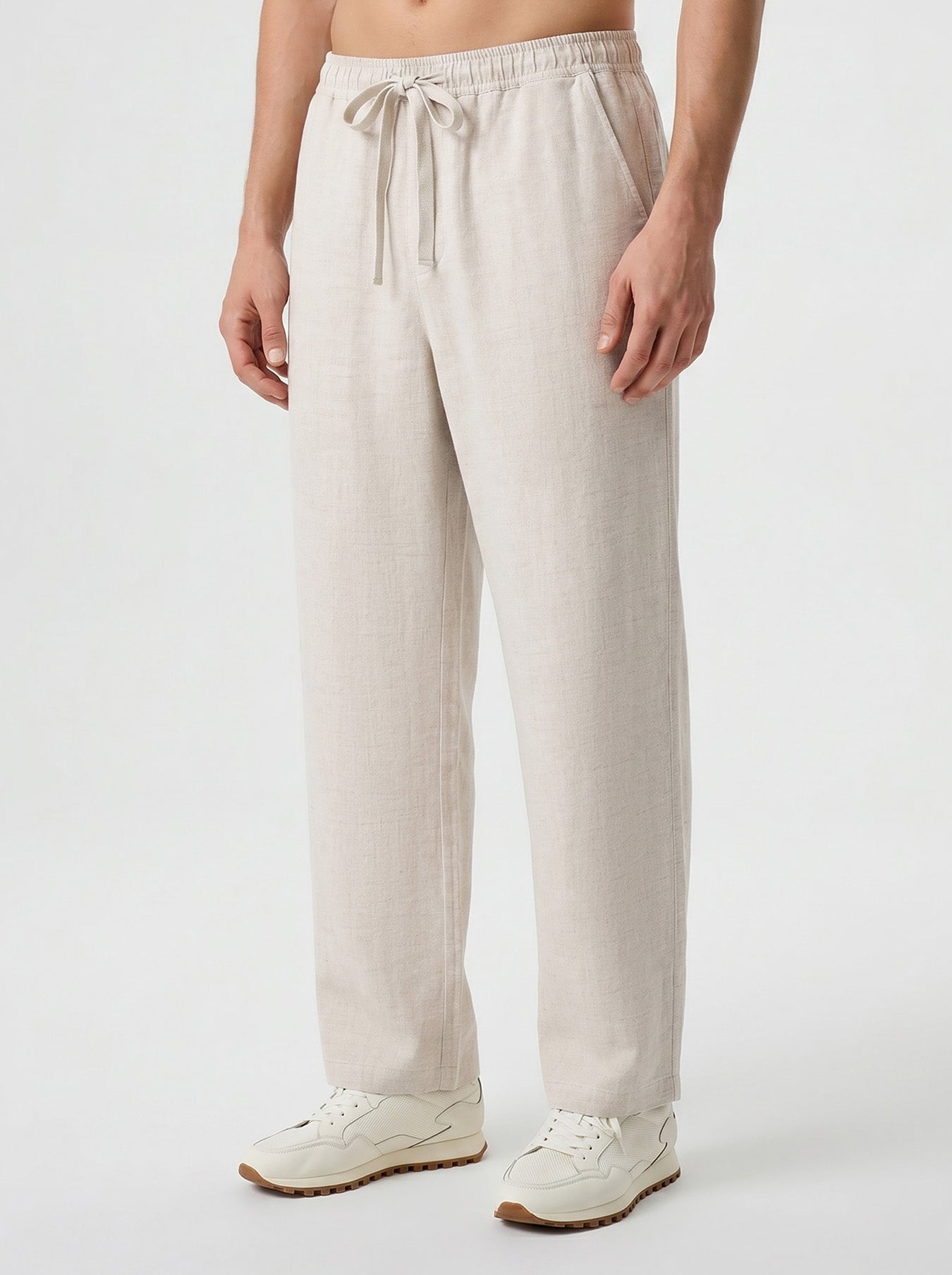




Feuchtigkeitsableitende Laufbekleidung: Bleiben Sie trocken, kühl und komfortabel
Ob Sie für einen Marathon trainieren, in der Nachbarschaft joggen oder vor der Arbeit einen kurzen Trainingsblock einlegen – die Kleidung, die Sie tragen, kann Ihre Leistung erheblich beeinflussen. Einer der wichtigsten Merkmale, auf die Sie bei Laufbekleidung achten sollten, ist die Feuchtigkeitsregulierung. Deshalb feuchtigkeitsableitende Laufbekleidung haben sich zu einem unverzichtbaren Artikel für Läufer aller Erfahrungsstufen entwickelt.
Indem sie Schweiß von der Haut abzieht und schnelles Verdunsten unterstützt, halten feuchtigkeitsableitende Stoffe Sie während des Laufs kühler, trockener und komfortabler. In diesem Ratgeber erklären wir, wie feuchtigkeitsableitende Technologie funktioniert, welche Materialien am besten abschneiden und wie Sie die passende Laufbekleidung für unterschiedliche Wetterbedingungen auswählen.
Warum feuchtigkeitsableitende Laufbekleidung wichtig ist
Beim Laufen steigt Ihre Körpertemperatur von selbst an und es entsteht Schweiß. Während Schwitzen dazu beiträgt, Ihren Körper zu kühlen, kann feuchte Kleidung Unbehagen verursachen und sogar Ihre Leistung beeinträchtigen.
Hochwertige feuchtigkeitsableitende Laufbekleidung hilft, indem sie:
- Schweiß von der Haut abzieht
- Verdunsten beschleunigt
- Scheuern und Reizungen verringert
- Schwere, durchnässte Stoffe verhindert
- Körpertemperatur reguliert
Statt durch Schweiß beschwert zu fühlen, können Läufer sich auf Tempo, Distanz und Leistung konzentrieren.
Wie feuchtigkeitsableitende Stoffe funktionieren
Im Gegensatz zu herkömmlicher Baumwolle, die Feuchtigkeit aufnimmt und speichert, sind feuchtigkeitsableitende Stoffe darauf ausgelegt, Schweiß von der Haut zur äußeren Oberfläche der Kleidung zu transportieren.
Dieser Prozess gliedert sich in zwei Schritte:
Schweißtransport
Der Stoff zieht Feuchtigkeit durch Kapillarwirkung von der Haut ab.
Schnelles Verdunsten
Die Feuchtigkeit verteilt sich auf der äußeren Oberfläche der Kleidung, wo sie schneller verdunstet.
Das Ergebnis ist ein trockenes, leichtes Gefühl auch bei intensiven Trainingseinheiten.
Deshalb halten erfahrene Läufer feuchtigkeitsableitende Laufbekleidung oft für unverzichtbar und nicht optional.
Beste Stoffe für feuchtigkeitsableitende Laufbekleidung
Nicht alle Stoffe bewältigen Schweiß gleich gut. Wenn Sie die Leistung der Stoffe verstehen, können Sie eine bessere Laufbekleidung zusammenstellen.
Polyester
Polyester gehört zu den häufigsten Materialien, die in feuchtigkeitsableitender Laufbekleidung verwendet werden, da es:
- Leichtgewichtig
- Langlebig
- Schnelltrocknend
- Pflegeleicht
Moderne leistungsorientierte Polyesterstoffe enthalten oft Belüftungszonen und Stretch-Eigenschaften für mehr Komfort.
Modal
Viele Läufer übersehen Modal, aber es bietet mehrere einzigartige Vorteile.
Modalstoff ist:
- Außerordentlich weich
- Atmungsaktiv
- Leichtgewichtig
- Natürlich feuchtigkeitsregulierend
- Angenehm für empfindliche Haut
Für lockere Läufe, Erholungstage, Spaziergänge und Freizeitsportbekleidung kann Modal überlegten Komfort bieten und gleichzeitig bei der Schweißregulierung helfen.
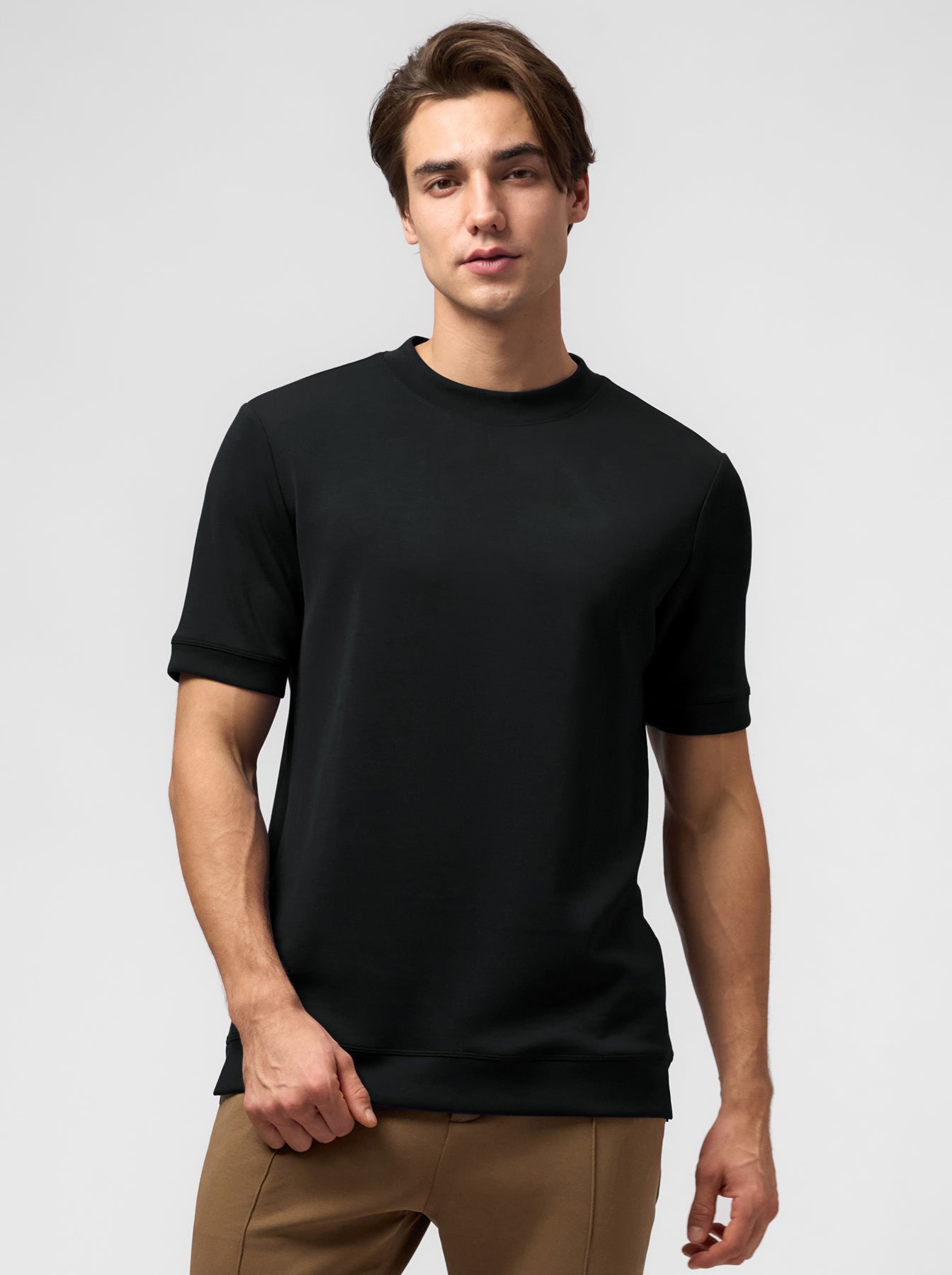
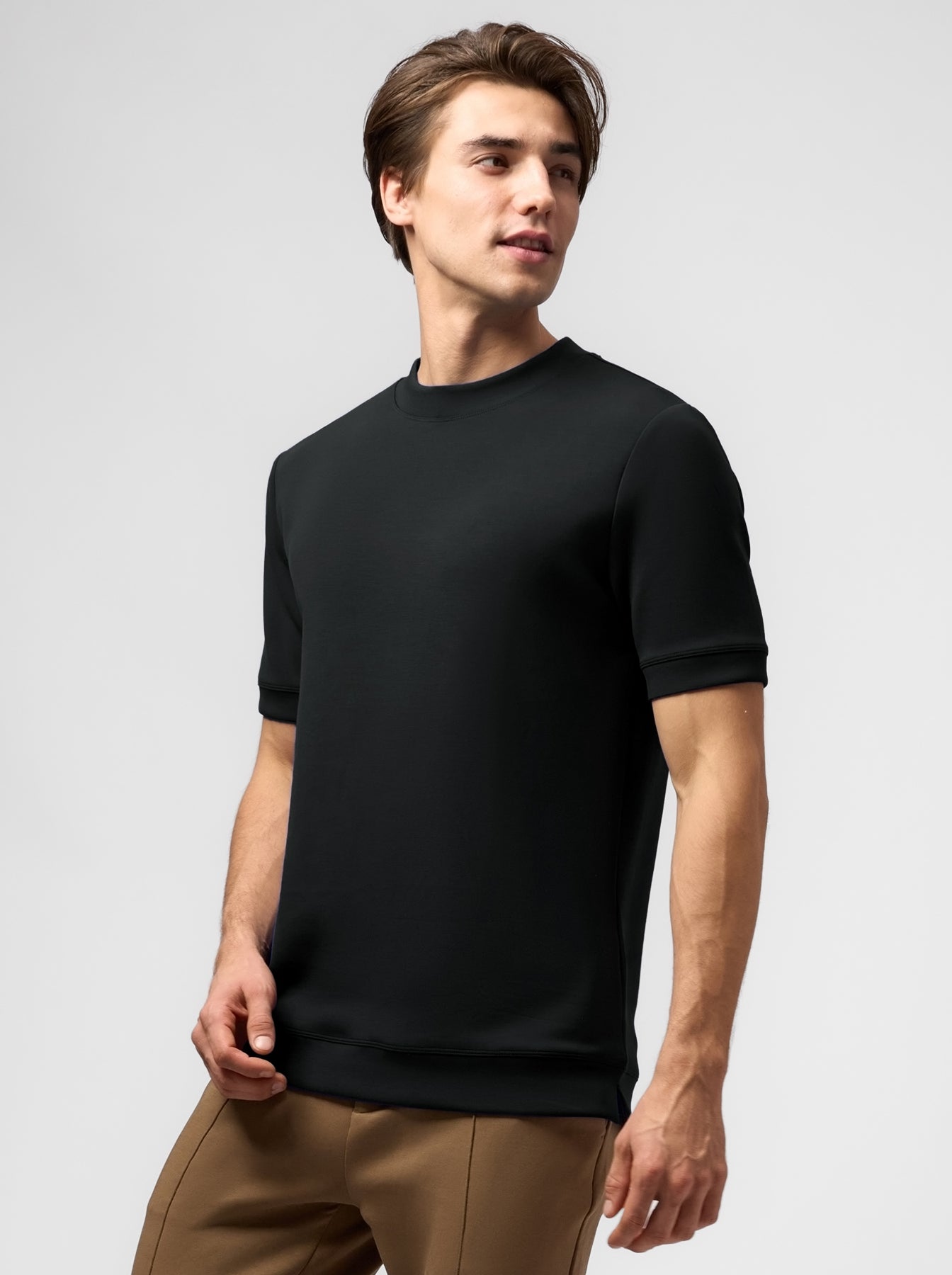
Die leistungsorientierten Modelle von Fioboc auf Modal-Basis kombinieren Weichheit und Funktionalität und sind somit eine vielseitige Wahl für Läufer, die den Komfort als Priorität betrachten.
Polyester-Modal-Mischgewebe
Eine immer beliebtere Option kombiniert die Weichheit von Modal mit der schnelltrocknenden Leistung von Polyester.
Diese Mischgewebe bieten:
- Verbesserte Atmungsaktivität
- Bessere Feuchtigkeitsregulierung
- Erhöhter Komfort
- Größere Bewegungsfreiheit
Für viele Läufer stellt diese Kombination einige der besten derzeit erhältlichen feuchtigkeitsableitenden Laufbekleidung dar.
Worauf Sie beim Kauf von feuchtigkeitsableitender Laufbekleidung achten sollten
Die passende Laufbekleidung auszuwählen, geht darüber hinaus, nur die Etiketten der Stoffe zu lesen.
Leichtgewichtige Konstruktion
Schwere Kleidungsstücke können Wärme und Feuchtigkeit einschließen. Achten Sie auf leichte Stoffe, die Luftzirkulation ermöglichen.
Atmungsaktivität
Mesh-Paneele und Belüftungszonen verbessern die Kühlung und beschleunigen das Verdunsten von Feuchtigkeit.
Stretch und Bewegungsfreiheit
Beim Laufen brauchen Sie uneingeschränkte Bewegungsfreiheit. Stoffe mit Vier-Wege-Stretch verbessern Komfort und Leistung.
Flachnähte
Flachnähte verringern Reibung und minimieren Scheuern bei langen Läufen.
Schnelltrocknende Leistung
Die besten feuchtigkeitsableitenden Laufbekleidung trocknet schnell nach Schwitzen, Regenbelastung oder Waschen nach dem Training.
Beste feuchtigkeitsableitende Laufbekleidung für verschiedene Jahreszeiten
Laufen im Sommer
Heißes Wetter erfordert maximalstmögliche Atmungsaktivität.
Wählen Sie:
- Leichtgewichtige leistungsorientierte T-Shirts
- Ärmellose Lauftops
- Schnelltrocknende Shorts
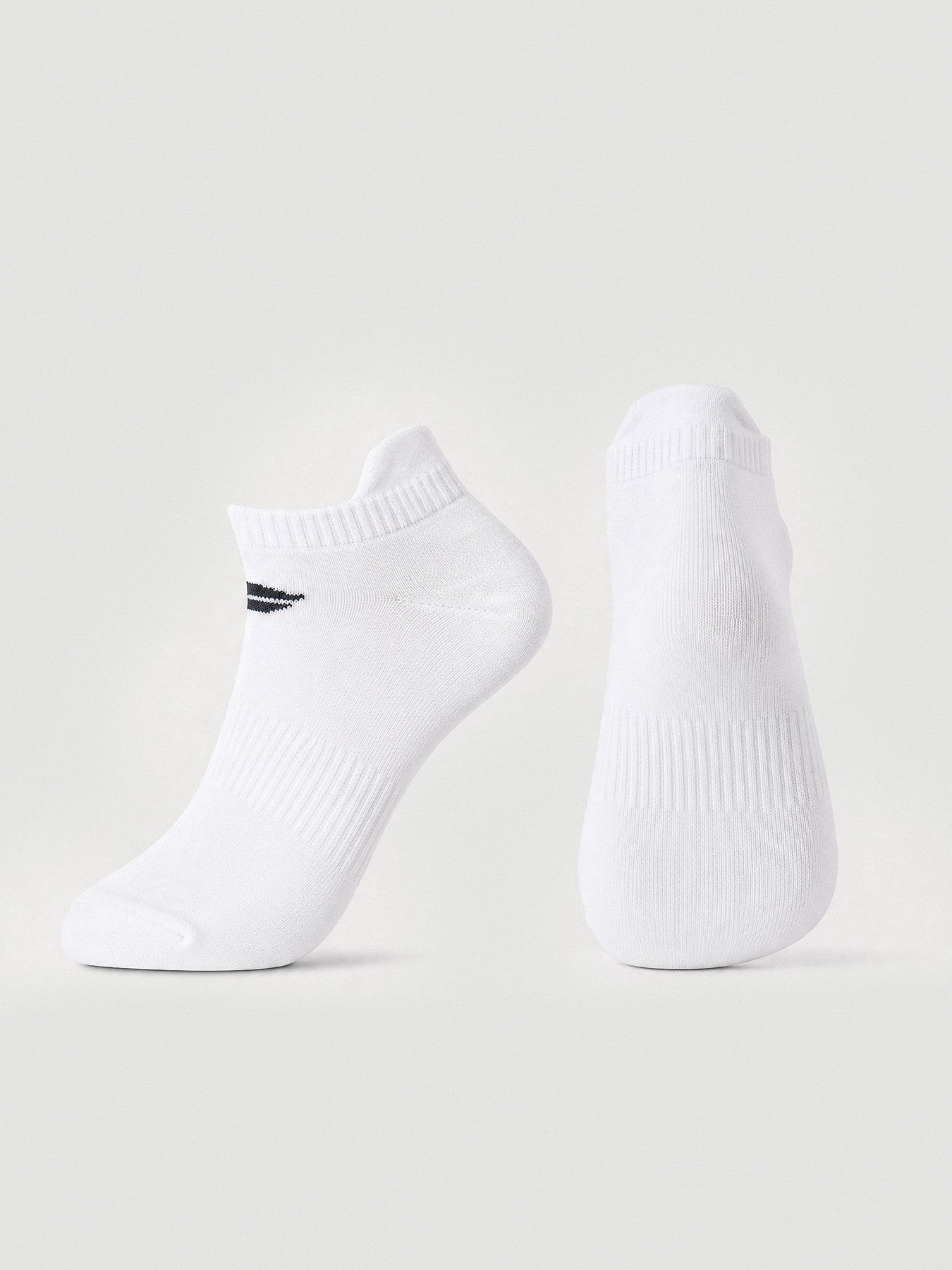
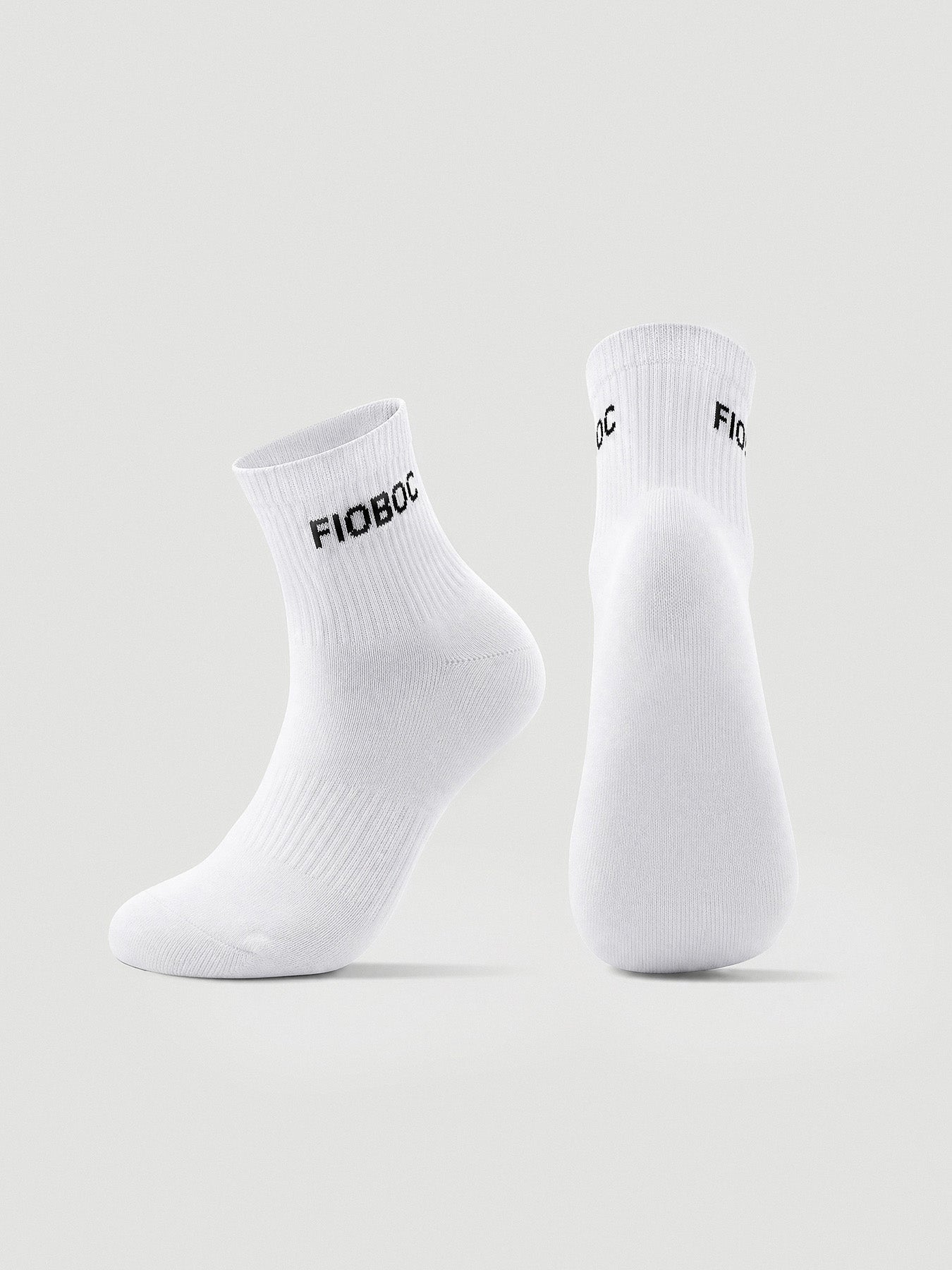
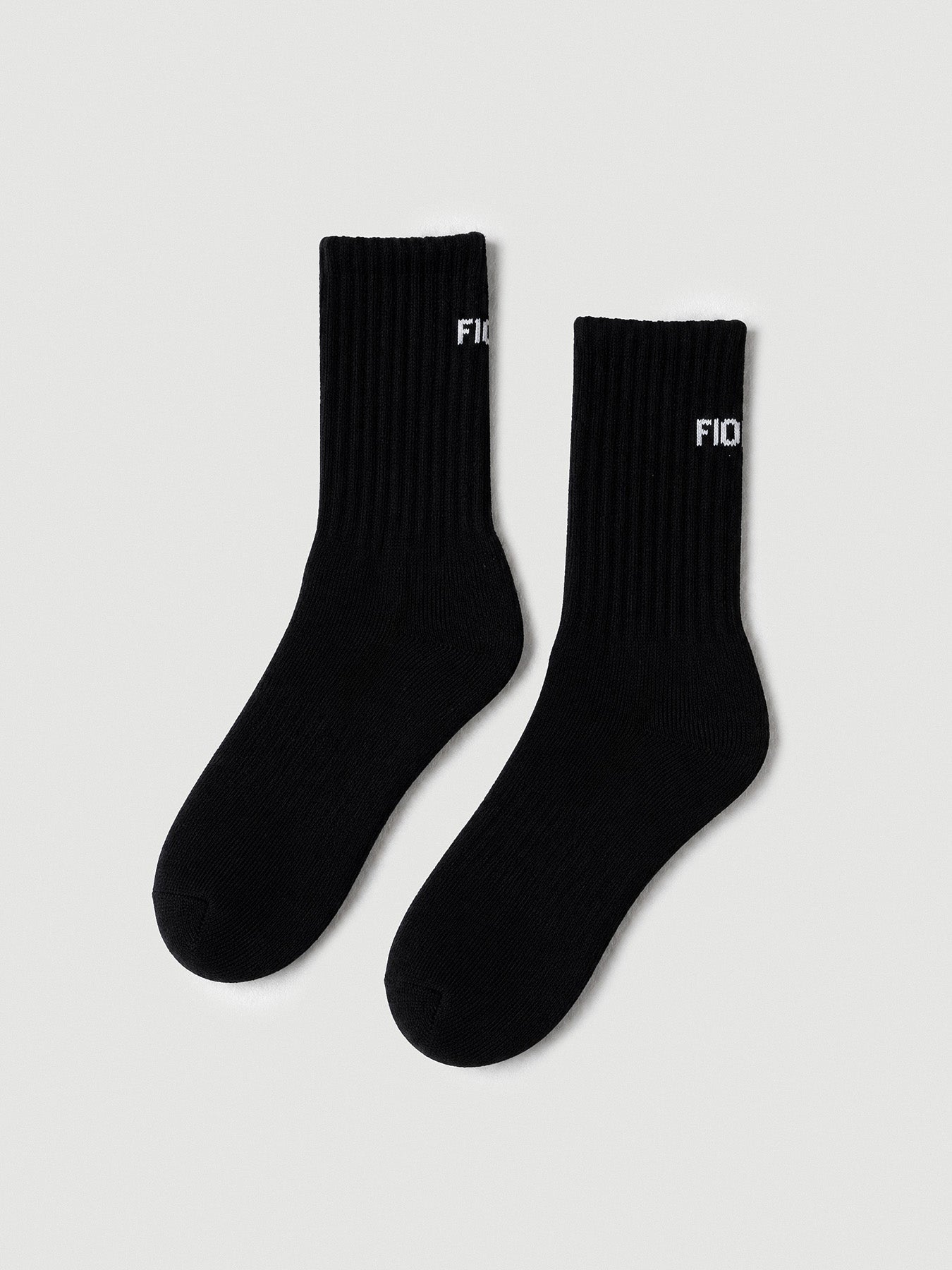
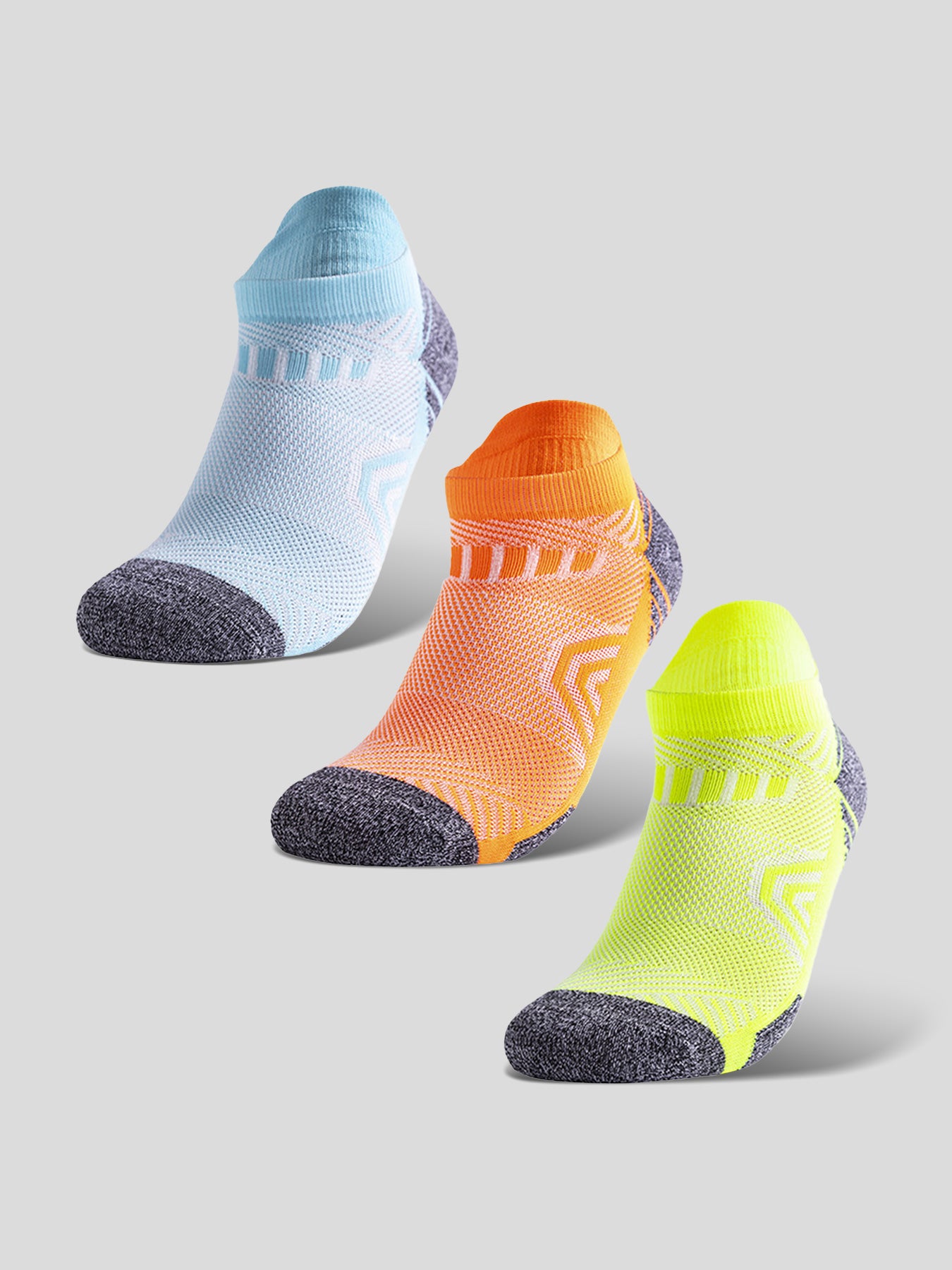
- Atmungsaktive Socken
Hier entfalten hochleistungsfähige feuchtigkeitsableitende Laufbekleidung die größte Wirkung.
Laufen im Frühling und Herbst
Schichtkleidung wird wichtig, da die Temperaturen schwanken.
Gute Optionen umfassen:
- Feuchtigkeitsableitende Unterwäsche
- Leichtgewichtige Langarmshirts
- Leistungsorientierte Jogginghosen
- Dünne Laufjacken
Laufen im Winter
Sogar bei kaltem Wetter ist die Schweißregulierung wichtig.
Tragen Sie:
- Feuchtigkeitsableitende Unterwäsche
- Wärmende Mittelschichten
- Winddichte Außenschichten
Vermeiden Sie Baumwolle, weil eingeschlossene Feuchtigkeit bei kalten Bedingungen den Wärmeverlust erhöhen kann.

Häufige Fehler, die Läufer machen
Baumwollshirts tragen
Baumwolle absorbiert Feuchtigkeit und trocknet langsam und lässt Läufer sich oft feucht und unwohl fühlen.
Passung ignorieren
Zu enge Kleidung kann die Luftzirkulation einschränken, während zu lockere Kleidung Reibung verursachen kann.
Falsche Schichtung
Zu viele Schichten können Wärme einschließen und die Wirksamkeit Ihrer feuchtigkeitsableitenden Laufbekleidung verringern.
Mode vor Funktionalität wählen
Auch wenn Stil wichtig ist, sollte die Leistung bei der Auswahl von Laufbekleidung immer Priorität haben.
Eine feuchtigkeitsableitende Laufbekleidung zusammenstellen
Eine praktische Laufbekleidung muss nicht kompliziert sein.
Erwägen Sie, folgende Artikel hinzuzufügen:
- 3–5 feuchtigkeitsableitende Lauft-Shirts
- 2–3 Paar Laufshorts
- 1–2 Paar leistungsorientierte Jogginghosen
- Eine leichtgewichtige Laufjacke
- Atmungsaktive Socken
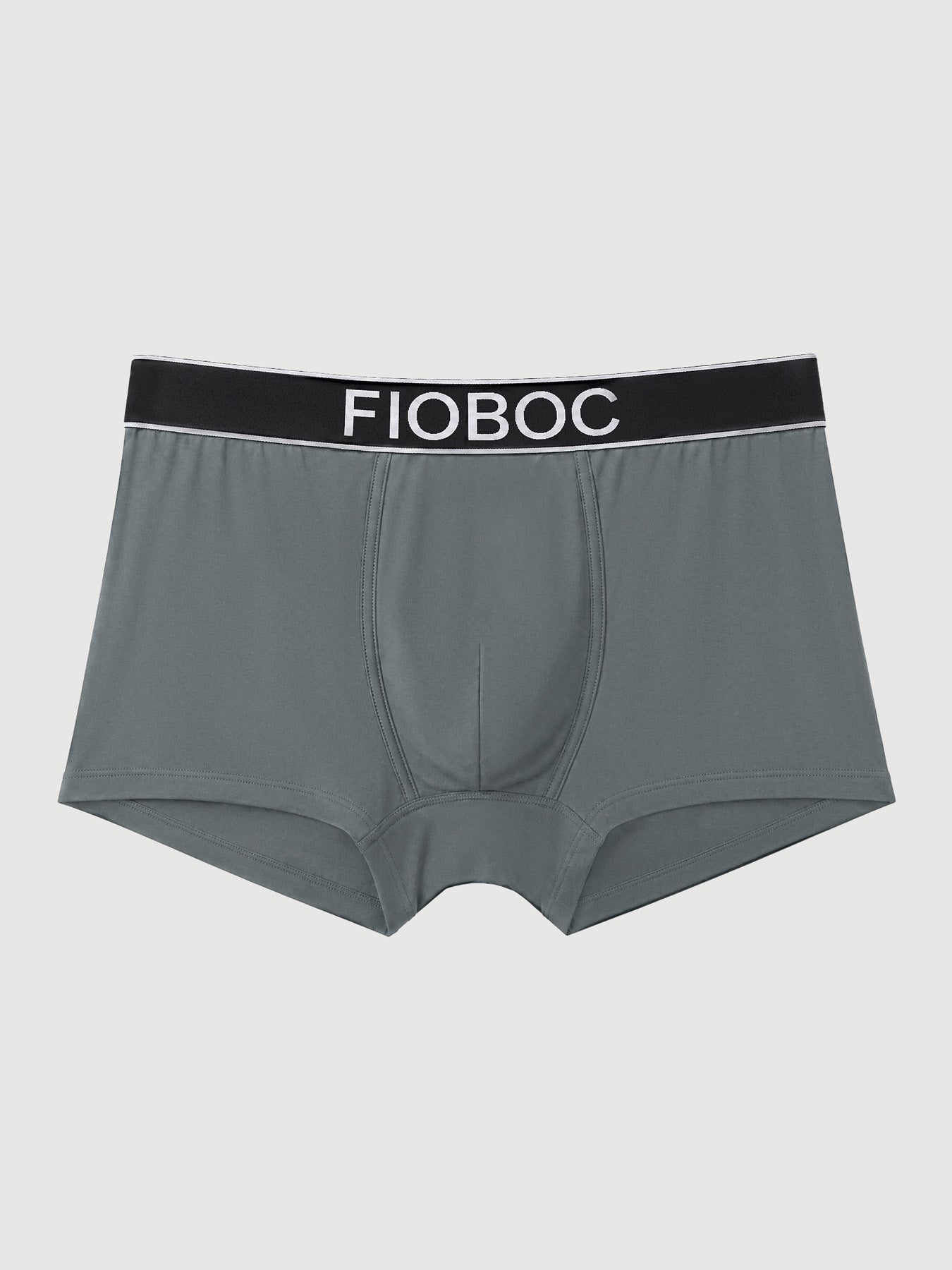
- Eine feuchtigkeitsregulierende Unterwäsche
Viele Läufer stellen fest, dass die Investition in hochwertige feuchtigkeitsableitende Laufbekleidung den Komfort so sehr verbessert, dass das Training angenehmer und konsistenter wird.
Warum moderne Läufer feuchtigkeitsableitende Laufbekleidung bevorzugen
Die wachsende Beliebtheit von leistungsorientierter Bekleidung ist nicht nur ein Trend. Läufer haben erkannt, dass eine korrekte Feuchtigkeitsregulierung direkt Komfort und Ausdauer beeinflusst.
Die besten heutigen feuchtigkeitsableitenden Laufbekleidung kombinieren fortschrittliche Stofftechnologie mit leichtgewichtiger Konstruktion, Stretch und Langlebigkeit. Ob Sie Ihre erste Meile laufen oder sich auf einen Wettkampf vorbereiten – trocken zu bleiben, hilft Ihnen, sich zu konzentrieren.
Marken wie Fioboc bieten leistungsorientierte Optionen, die schnelltrocknende Technologie mit weichem Modalstoff kombinieren und Läufer ein Gleichgewicht aus Komfort und Funktionalität bieten, das für tägliches Training, Reisen und aktive Lebensweisen geeignet ist.
Was sind feuchtigkeitsableitende Laufbekleidung?
Feuchtigkeitsableitende Laufbekleidung sind Kleidungsstücke aus Stoffen, die Schweiß von der Haut abziehen und schnelles Verdunsten ermöglichen und Läufer trocken und komfortabel halten.
Sind feuchtigkeitsableitende Laufbekleidung besser als Baumwolle?
Ja. Baumwolle absorbiert und behält Feuchtigkeit, während feuchtigkeitsableitende Stoffe schneller trocknen und den Komfort während der Bewegung verbessern.
Ist Modal gut zum Laufen?
Modal ist atmungsaktiv, leichtgewichtig und komfortabel. Es eignet sich besonders gut für lockere Läufe, Spaziergänge, Erholungstage und alltägliche Sportbekleidung.
Was sind die besten feuchtigkeitsableitenden Laufbekleidung?
Die besten feuchtigkeitsableitenden Laufbekleidung verwenden typischerweise leistungsorientiertes Polyester, Modal-Mischgewebe oder fortschrittliche technische Stoffe, die Atmungsaktivität, Komfort und schnelltrocknende Leistung miteinander verbinden.
Wie oft sollte ich Laufbekleidung ersetzen?
Die meisten Läufer ersetzen häufig genutzte Laufbekleidung alle 6–12 Monate, je nach Trainingsumfang und Zustand des Stoffes.
Zusammenfassung
Die richtige Bekleidung kann Ihr Lauf-Erlebnis verändern. Feuchtigkeitsableitende Laufbekleidung hilft, Schweiß unter Kontrolle zu halten, Unbehagen zu verringern und eine bessere Temperaturregulierung während des gesamten Trainings zu unterstützen.
Beim Einkaufen von Laufausstattung sollten Sie auf atmungsaktive Stoffe, schnelltrocknende Leistung und komfortable Verarbeitung achten. Ob Sie technisches Polyester, weiches Modal oder innovative Mischgewebe bevorzugen – die Wahl hochwertiger feuchtigkeitsableitender Laufbekleidung hilft Ihnen, meilenweise komfortabel zu laufen.