





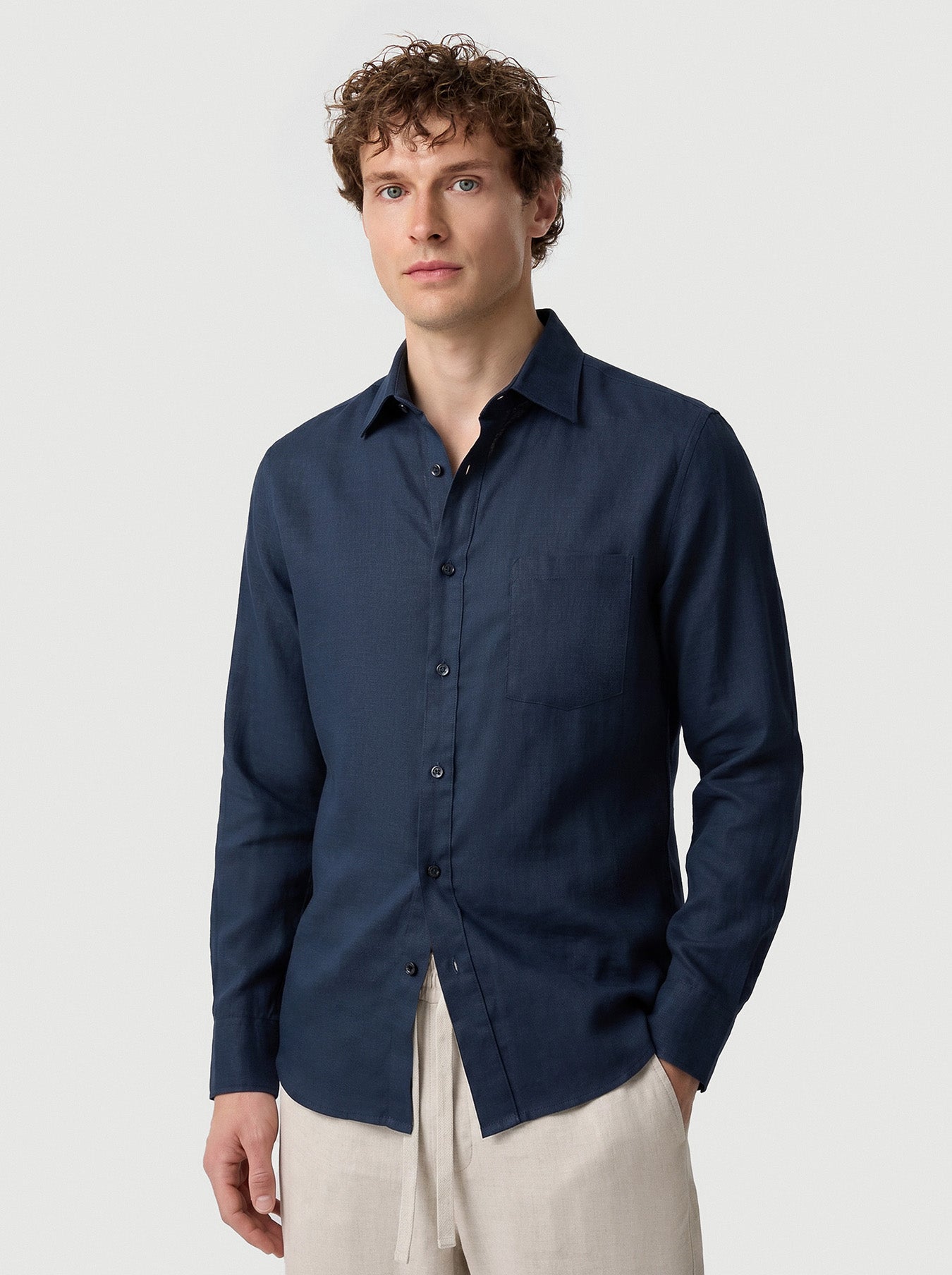


Wie man erkennt, ob Leinenkleidung von hoher Qualität ist
Beim Einkaufen nach Leinenkleidung, Es ist leicht anzunehmen, dass alle Leinen gleichwertig sind. Schließlich sehen viele Kleidungsstücke auf den ersten Blick ähnlich aus. Die Qualität von Leinen variiert jedoch je nach Faserlänge, Stoffgewicht, Webprozess und Veredelungstechniken.
Der einfachste Weg, hochwertiges Leinen zu erkennen, ist, über das Etikett hinauszuschauen. Prüfen Sie das Stoffgewicht (GSM), betrachten Sie die Webung, fühlen Sie die Textur und überlegen Sie, wie das Kleidungsstück nach dem Waschen wirkt. Premium-Leinen wird mit der Zeit weicher, behält dabei seine Festigkeit und Form.
Dieser Leinen-Kaufführer erläutert die entscheidenden Faktoren, die Premium-Leinen von minderwertigeren Alternativen unterscheiden, und hilft Ihnen, kluge Entscheidungen für langanhaltenden Komfort und Stil zu treffen.
Warum die Qualität von Leinenkleidung wichtig ist
Ein Grund, warum Leinenkleidung beliebt bleibt, ist seine natürliche Atmungsaktivität, Haltbarkeit und zeitlose Optik. Diese Vorteile entfalten sich jedoch nur dann voll, wenn der Stoff aus hochwertigen Flachsfasern hergestellt wird.
Minderwertiges Leinen kann rau wirken, stark knicken oder bereits nach wenigen Wäschen seine Form verlieren. Im Gegensatz dazu wird hochwertiges Leinen bei jedem Tragen weicher, behält dabei seine Struktur und den eleganten Fall.
Ob Sie nach lässigen Sommeroutfits oder den besten Leinenhemden einkaufen: Wenn Sie die Stoffqualität verstehen, können Sie in Stücke investieren, die Jahre halten, statt nur eine Saison lang.
Prüfen Sie die GSM (Stoffgewicht)
Ein guter Ausgangspunkt ist die GSM (Gramm pro Quadratmeter), mit der das Stoffgewicht gemessen wird.
Obwohl eine höhere GSM nicht immer bessere Qualität bedeutet, beeinflusst sie doch, wie das Kleidungsstück anfühlt und wirkt.
Als allgemeine Orientierung:
- 120–150 GSM: Leicht und ideal für heiße Sommertage.
- 150–180 GSM: Eine ausgewogene Wahl für alltägliche Hemden und Hosen.
- 180–220 GSM: Schwereres, strukturierteres Leinen mit verbesserter Haltbarkeit.
Für die meisten Sommer-Leinenkleidungsstücke bietet eine GSM zwischen 140 und 180 eine ausgezeichnete Balance aus Atmungsaktivität, Komfort und Langlebigkeit.
Lange vs. kurze Fasern
Nicht alle Flachsfasern sind gleich.
Premium-Leinen wird aus langen Flachsfasern gewebt, was eine glattere Oberfläche, stabilere Garne und weniger losen Fäden erzeugt. Dadurch ist der Stoff weniger anfällig für Knäuel und behält langfristig seine Optik.
Minderwertiges Leinen verwendet oft kürzere Fasern, die den Stoff rauer wirken lassen und mehr Flusen oder Flaum bei wiederholtem Waschen erzeugen.
Ein einfacher Berührungstest hilft:
- Lange Fasern fühlen sich glatt und gleichmäßig an.
- Kurze Fasern fühlen sich oft ungleichmäßig oder leicht behaarig an.
Dies ist einer der einfachsten Wege, hochwertiges Leinen persönlich zu erkennen.
Reines Leinen vs. Leinenmischungen
Viele Käufer glauben, dass 100% Leinen immer die beste Wahl ist, aber das ist nicht unbedingt zutreffend.
Reines Leinen bietet maximale Atmungsaktivität, Feuchtigkeitsregulierung und die authentische Textur, die Leinenliebhaber schätzen. Es knickt jedoch von Natur aus stärker, da Flachsfasern nur begrenzte Elastizität haben.
Leinenmischungen, wie Leinen gemischt mit Baumwolle, TENCEL™ oder Rayon, bieten zusätzliche Weichheit, verbesserte Knitterfestigkeit und einen glatteren Fall.
Die bessere Option hängt von Ihrem Lebensstil ab:
- Wählen Sie 100% Leinen für klassischen Sommerkomfort und natürliche Funktionalität.
- Wählen Sie Leinenmischungen wenn Sie einfache Pflege und ein etwas weicheres Gefühl bevorzugen.
Wenn Sie den Unterschied verstehen, können Sie Leinenkleidung auswählen, die Ihren persönlichen Bedürfnissen entspricht, statt einfach nur dem Etikett zu folgen.
Warum europäisches Leinen hoch angesehen ist
Wenn Sie nach Premium-Leinen suchen, stoßen Sie oft auf Hinweise auf europäischen Flachs.
Länder wie Frankreich, Belgien und die Niederlande haben ideale Klimabedingungen für den Anbau von Flachs, wodurch lange, starke Fasern entstehen, die in der Textilbranche sehr geschätzt werden.
Europäisches Leinen wird oft mit folgenden Merkmalen in Verbindung gebracht:
- Längere, feinere Fasern
- Gleichmäßigere Webung
- Bessere Haltbarkeit
- Mit der Zeit weichere Textur
Obwohl exzellentes Leinen auch anderswo hergestellt werden kann, werden Kleidungsstücke aus europäischem Flachs im Allgemeinen als zuverlässiges Zeichen für Premium-Qualität angesehen.

Wie sollte Leinen sich nach dem Waschen anfühlen?
Eine der einzigartigen Eigenschaften von hochwertigem Leinen ist, dass es mit der Zeit besser wird.
Im Gegensatz zu vielen synthetischen Stoffen, die allmählich an Weichheit verlieren, wird Premium-Leinen nach jedem Waschen glatter, behält dabei seine Festigkeit.
Ein hochwertiges Leinenhemd sollte:
- Sich nach dem Waschen weicher anfühlen.
- Seine Form behalten.
- Seine atmungsaktive Textur behalten.
- Ein entspannteres Aussehen entwickeln, ohne abgenutzt auszusehen.
Wenn Ihre Leinenkleidung bereits nach wenigen Wäschen steif, rau oder verformt wird, ist die Stoffqualität möglicherweise nicht so gut wie erwartet.
Soll hochwertiges Leinen durchsichtig sein?
Dies ist eine der häufigsten Fragen in jedem Leinen-Kaufführer.
Die Antwort hängt von der Kleidungsfarbe und dem Stoffgewicht ab.
Helle Leinen lassen von Natur aus mehr Licht durch als dunklere Stoffe, aber Premium-Leinen sollte niemals übermäßig durchsichtig wirken.
Hochwertig gewebtes Leinen verwendet hochwertigere Garne und eine gleichmäßige Webung, um ausreichende Bedeckung zu bieten und gleichzeitig atmungsaktiv zu bleiben.
Wenn ein Kleidungsstück übermäßig durchsichtig oder schlapp wirkt, ist das oft ein Zeichen, dass der Stoff zu leicht oder schlecht verarbeitet ist.
Checkliste: 7 Anzeichen, dass Sie gutes Leinen kaufen
Vor dem Kauf Ihres nächsten Leinenkleidungsstücks verwenden Sie diese einfache Checkliste.
✅ Der Stoff fühlt sich glatt statt rau an.
✅ Die Webung sieht gleichmäßig und konsistent aus.
✅ Das Leinen wird nach dem Waschen weicher.
✅ Das Kleidungsstück hat eine passende GSM für seine beabsichtigte Verwendung.
✅ Es verwendet lange Flachsfasern für verbesserte Haltbarkeit.
✅ Es bietet gute Bedeckung, ohne übermäßig durchsichtig zu sein.
✅ Die Nähte, Stiche und Veredelung entsprechen der Qualität des Stoffes.
Wenn die meisten dieser Punkte erfüllt sind, investieren Sie wahrscheinlich in hochwertiges Leinen, das jahrelang gut hält.
Wie können Sie erkennen, ob Leinenkleidung von hoher Qualität ist?
Betrachten Sie das Stoffgewicht, die Faserlänge, die gleichmäßige Webung, die Veredelungsdetails und wie sich der Stoff nach dem Waschen weicher anfühlt.
Ist 100% Leinen immer besser?
Nicht immer. Reines Leinen bietet maximale Atmungsaktivität, während hochwertige Leinenmischungen die Weichheit verbessern und Knitterbildung reduzieren können.
Warum gilt europäisches Leinen als Premium-Qualität?
Europäischer Flachs erzeugt typischerweise längere, stärkere Fasern, was zu glatteren, langlebigeren Stoffen führt.
Knitteren die besten Leinenhemden?
Ja. Knittern ist eine natürliche Eigenschaft von Leinen, aber Premium-Leinen bildet weiche, elegante Knitterfältchen statt unordentlich auszusehen.
Ist teures Leinen seinen Preis wert?
Hochwertige Leinenkleidung hält oft viel länger als minderwertigere Alternativen, was sie zu einer lohnenden Investition für Komfort, Haltbarkeit und zeitlosen Stil macht.
Abschließende Gedanken
Bei der Wahl von Leinenkleidung geht es nicht nur darum, das Etikett des Stoffes zu lesen. Wenn Sie GSM, Faserlänge, Stoffkonstruktion und Waschverhalten verstehen, können Sie die echte Qualität erkennen, bevor Sie einen Kauf tätigen.
Ob Sie in alltägliche Sommeressentials investieren oder nach den besten Leinenhemden suchen: Wenn Sie hochwertig verarbeitetes Leinen wählen, genießen Sie jahrelang atmungsaktiven Komfort, langanhaltende Haltbarkeit und mühelosen Stil.