

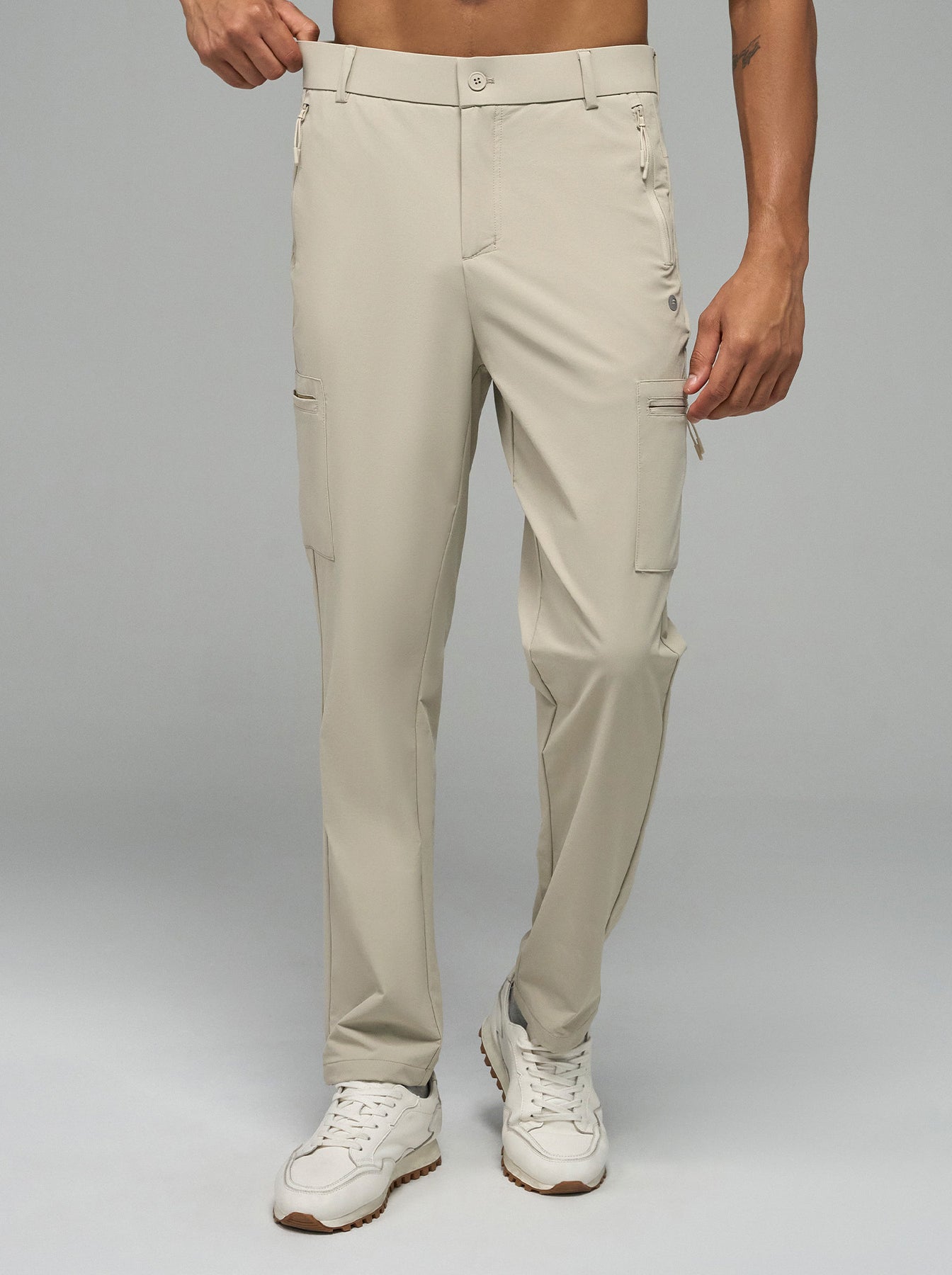
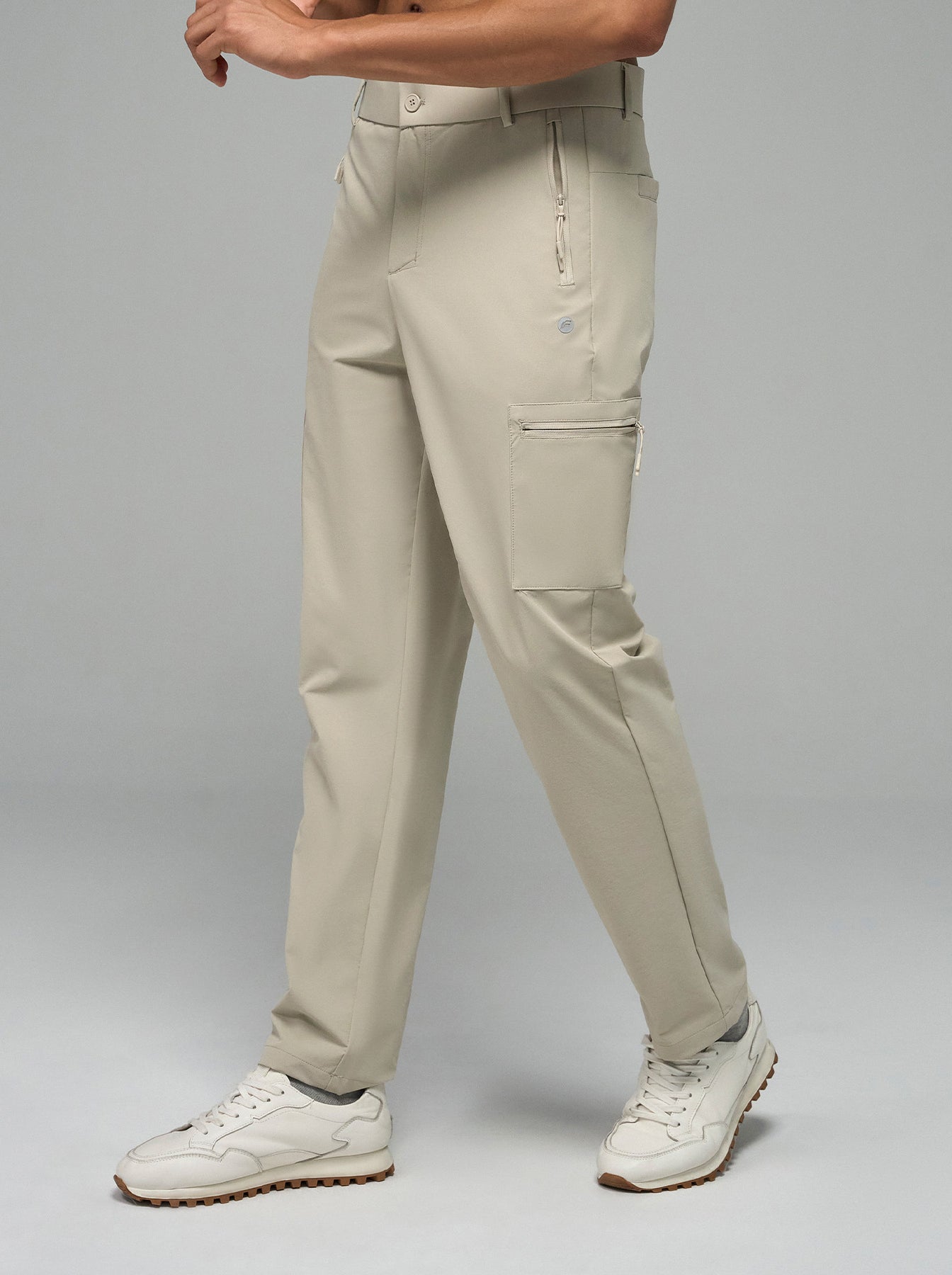


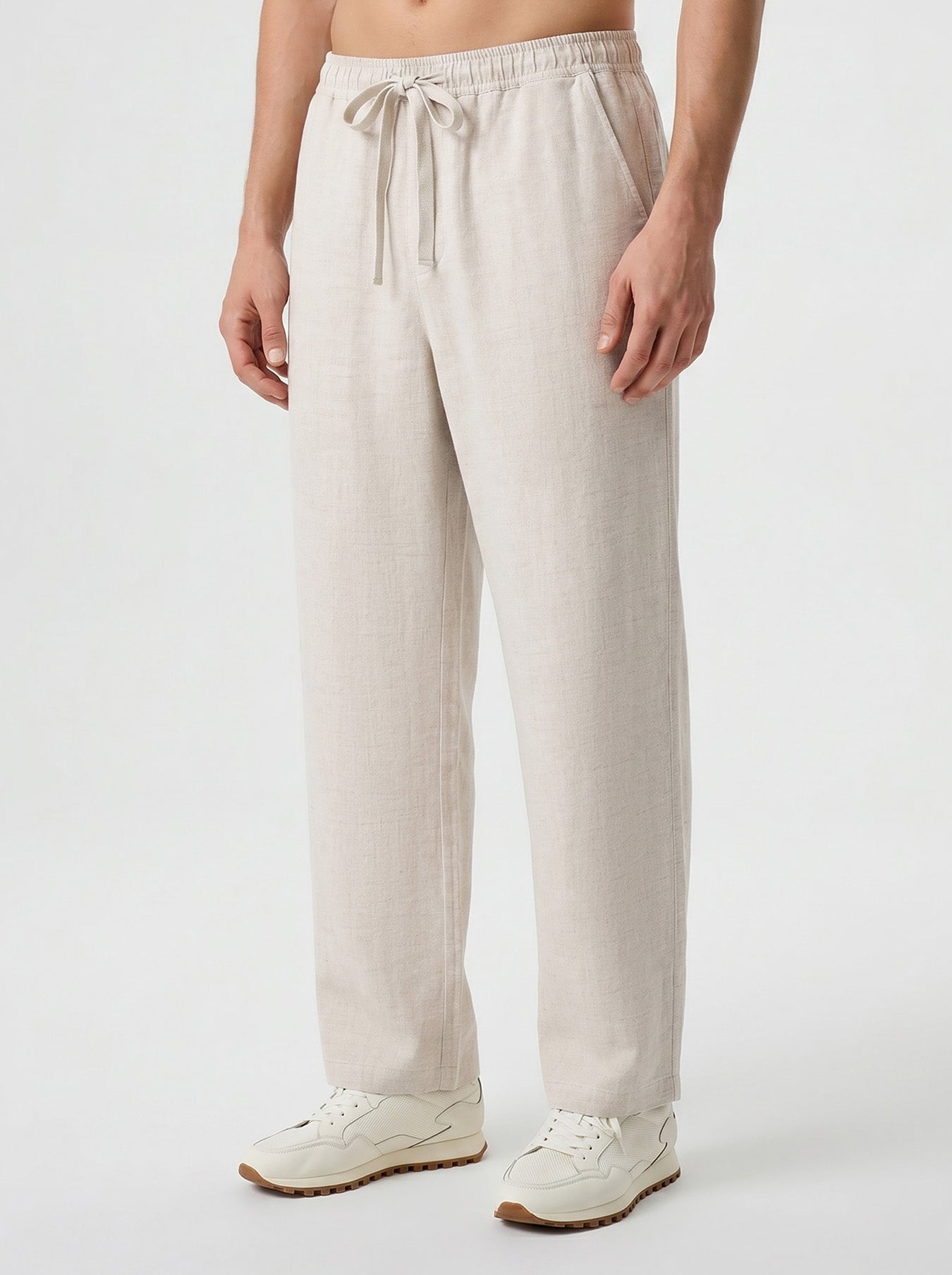
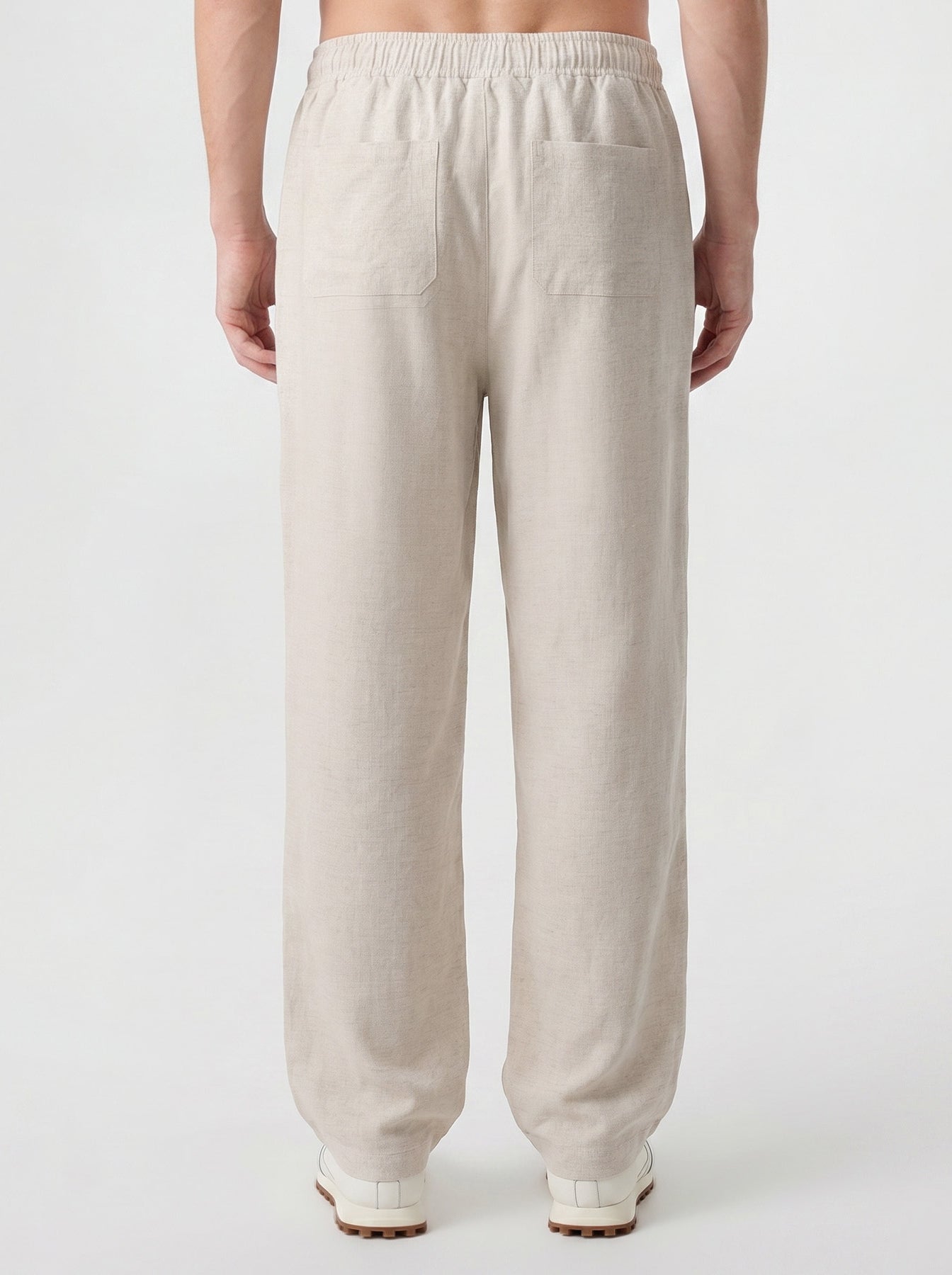


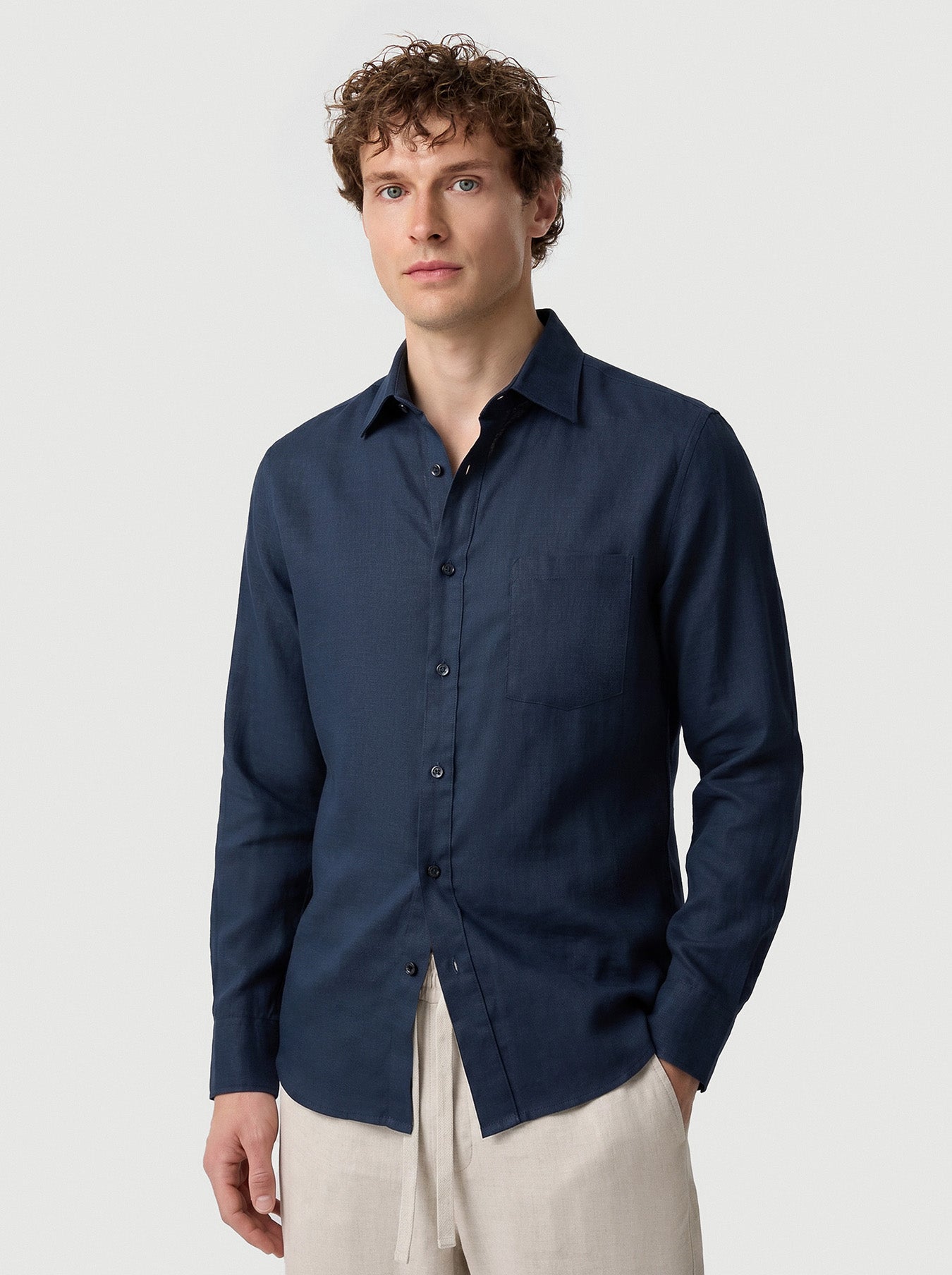


¿Qué es la tela elástica en 4 direcciones y por qué es importante?
Cuando te agachas, estiras los brazos, subes escaleras o te sientas durante horas, tu cuerpo rara vez se mueve en una sola dirección. Entonces, ¿por qué debería tu ropa?
Aquí es donde entra en juego la tela elástica en 4 direcciones.
A diferencia de las telas que se estiran principalmente en una dirección, la tela elástica en 4 direcciones está diseñada para estirarse tanto horizontal como verticalmente. Esto le da a la ropa una mayor flexibilidad y permite que la tela se mueva más naturalmente con el cuerpo.
Hoy en día, el elástico en cuatro direcciones se puede encontrar en todo, desde ropa deportiva y joggers hasta pantalones de uso diario y ropa de viaje. Pero, ¿qué hace exactamente que una tela sea "elástica en 4 direcciones" y un mayor estiramiento siempre significa mejor ropa?
Echemos un vistazo más de cerca.
¿Qué es la tela elástica en 4 direcciones?
La tela elástica en 4 direcciones es una tela que puede estirarse en ambas direcciones, típicamente horizontal y verticalmente, y recuperar su forma original después de estirarse.
El término "4 direcciones" puede sonar complicado, pero la idea básica es simple.
Imagina tirar de un trozo de tela:
- De izquierda a derecha → se estira
- De arriba a abajo → se estira
- Entre estas direcciones → la tela también puede adaptarse al movimiento
Esta flexibilidad multidireccional permite que el material siga los movimientos del cuerpo en lugar de restringirlos.
El elástico en cuatro direcciones es particularmente útil para la ropa que necesita adaptarse a movimientos frecuentes, como pantalones, joggers, ropa deportiva, ropa de golf y ropa de viaje.

¿Cómo funciona la tela elástica en 4 direcciones?
El estiramiento en cuatro direcciones puede provenir de la composición de la fibra, la construcción de la tela o una combinación de ambas.
Un enfoque común es mezclar una fibra base con una fibra elástica como el spandex o la elastano.
Por ejemplo, una tela podría combinar:
- Nylon + spandex
- Poliéster + elastano
- Algodón + spandex
- Modal + elastano
El componente elástico le da a la tela un estiramiento y recuperación adicionales, mientras que la fibra base contribuye con otras características como suavidad, durabilidad, transpirabilidad o rendimiento de secado rápido.
La construcción de la tela también importa.
Las telas tejidas naturalmente tienen cierta flexibilidad debido a su estructura en bucle. Ciertas telas tejidas también pueden diseñarse para proporcionar elasticidad mientras mantienen una apariencia más estructurada.
Por eso, dos telas pueden etiquetarse como "elásticas en 4 direcciones" pero aún así sentirse completamente diferentes cuando las usas.
Tela elástica en 4 direcciones vs. tela elástica en 2 direcciones: ¿Cuál es la diferencia?
Una de las preguntas más comunes sobre las telas elásticas es la diferencia entre el elástico en 2 direcciones y el elástico en 4 direcciones.
La principal diferencia es la dirección y el grado de flexibilidad.
Característica |
Tela elástica en 2 direcciones |
Tela elástica en 4 direcciones |
Dirección de estiramiento |
Principalmente una dirección |
Horizontal y vertical |
Flexibilidad |
Moderada |
Mayor |
Libertad de movimiento |
Buena |
Excelente |
Usos comunes |
Ropa de uso diario |
Ropa deportiva, pantalones, joggers, ropa de viaje |
Mejor para |
Movimiento moderado |
Movimiento multidireccional |
Ninguno es automáticamente mejor.
Un par de pantalones estructurados de uso diario solo pueden necesitar un estiramiento moderado. Por otro lado, la ropa diseñada para ejercicio, viajes, golf o movimientos frecuentes puede beneficiarse del estiramiento en cuatro direcciones.
La elección correcta depende de lo que esperes que haga la prenda.
¿Por qué es importante la tela elástica en 4 direcciones?
La mayor ventaja del estiramiento en cuatro direcciones es la libertad de movimiento.
Pero ese simple beneficio puede marcar una diferencia significativa en la ropa de uso diario.
1. Se mueve con tu cuerpo
Piensa en lo que sucede cuando te sientas.
Tus rodillas se doblan, tus caderas se flexionan y tu cintura cambia de posición. Una tela rígida tiene que adaptarse a esos movimientos tirando contra tu cuerpo.
Una tela elástica en cuatro direcciones puede estirarse con el movimiento en su lugar.
El resultado es una ropa que se siente menos restrictiva cuando:
- Te sientas
- Caminas
- Te agachas
- Te estiras
- Subes escaleras
- Conduces
- Viajas
Esta es una de las razones por las que las telas elásticas se han vuelto cada vez más populares más allá de la ropa deportiva tradicional.
2. Puede hacer que los pantalones sean más cómodos
Los pantalones son una de las mejores aplicaciones para el estiramiento en cuatro direcciones.
Los pantalones rígidos tradicionales a veces pueden sentirse restrictivos alrededor de la cintura, las caderas, los muslos o las rodillas, particularmente cuando estás sentado durante largos períodos.
Añadir elasticidad en cuatro direcciones puede proporcionar flexibilidad adicional sin que los pantalones parezcan ropa deportiva.
Esto hace que los pantalones elásticos sean especialmente útiles para las personas que desean un equilibrio entre comodidad y una apariencia pulcra.
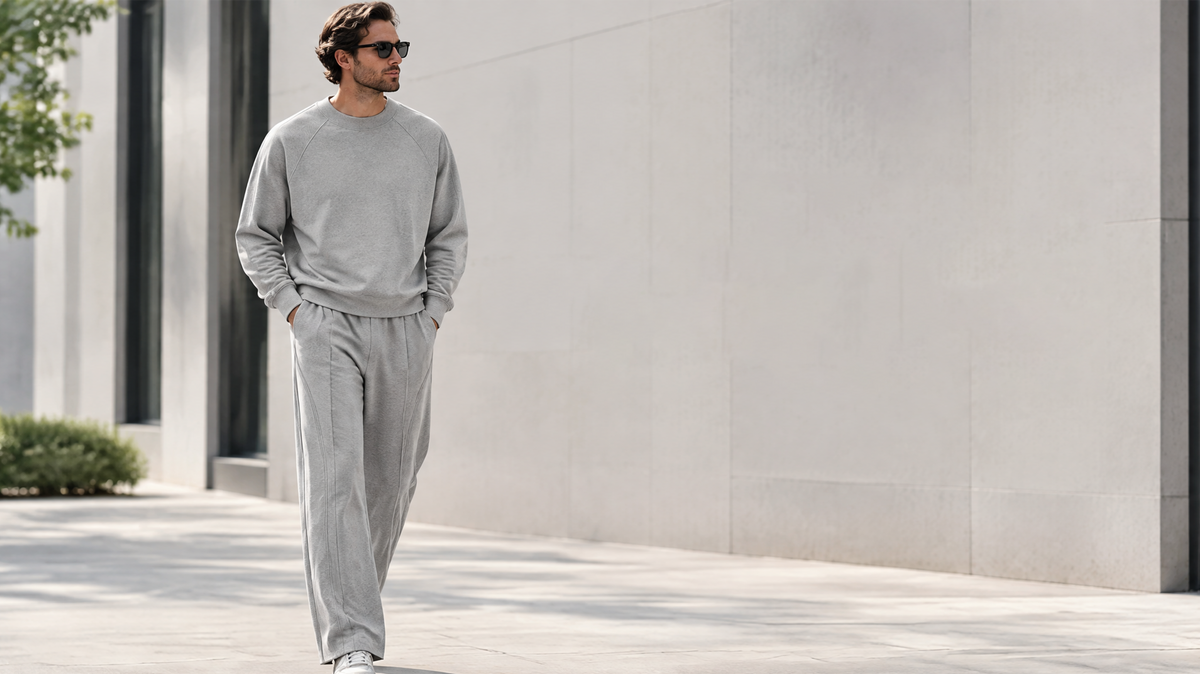
Por ejemplo, un par de pantalones elásticos pueden servir para un ambiente de oficina informal durante el día y seguir siendo cómodos cuando salgas a caminar por la ciudad después.

3. Funciona bien en joggers
Los joggers se asocian naturalmente con el movimiento y la comodidad, por lo que la elasticidad en cuatro direcciones es una combinación natural.
Ya sea que estés caminando, haciendo recados, yendo al trabajo o relajándote, los joggers deben adaptarse a los cambios constantes en la posición del cuerpo.
La elasticidad en cuatro direcciones permite que la tela se mueva con mayor libertad alrededor de las rodillas y las caderas.
Cuando se combina con un tejido ligero o que gestiona la humedad, los joggers elásticos pueden volverse lo suficientemente versátiles para mucho más que solo entrenamientos.
¿La tela elástica en 4 direcciones es solo para ropa deportiva?
Para nada.
Aunque la ropa deportiva elástica en 4 direcciones es común, la tecnología se ha vuelto cada vez más popular en la ropa de uso diario.
Los armarios modernos a menudo requieren que la ropa funcione en múltiples situaciones.
Un par de pantalones podría usarse para:
Viajes → Trabajo → Almuerzo → Caminata → Viaje → Cena
Esto significa que la comodidad y la flexibilidad ya no son necesariamente "características de la ropa deportiva".
Se están convirtiendo en características de la ropa de uso diario.
Esto es particularmente relevante para las personas que prefieren un armario más versátil en lugar de tener ropa completamente separada para el trabajo, los viajes, el ejercicio y los fines de semana.
Tejido elástico en 4 direcciones para ropa deportiva
La ropa deportiva es probablemente la aplicación más obvia para la elasticidad en cuatro direcciones.
El ejercicio implica movimientos multidireccionales. Dependiendo de la actividad, es posible que te agaches, hagas zancadas, gires, estires, saltes o te muevas rápidamente de una posición a otra.
Una tela que solo se estira en una dirección puede no proporcionar suficiente flexibilidad para estos movimientos.
La elasticidad en cuatro direcciones puede ayudar a que la ropa deportiva se adapte a una gama más amplia de movimientos.
Sin embargo, la elasticidad no es lo único que importa.
Para la ropa deportiva, vale la pena considerar la combinación de:
- Elasticidad en cuatro direcciones
- Manejo de la humedad
- Transpirabilidad
- Secado rápido
- Confección ligera
- Durabilidad
- Recuperación
Una tela que se estira bien pero atrapa el calor o la humedad puede no ofrecer el mejor rendimiento general.
Por eso, la elasticidad debe verse como una parte del rendimiento general de la tela, en lugar de una característica independiente.
Tela elástica en 4 direcciones para ropa de viaje
Viajar es otra situación en la que la elasticidad en cuatro direcciones puede marcar una diferencia notable.
Piensa en un largo día de viaje.
Podrías pasar dos horas en un coche, varias horas sentado en un avión, caminar por un aeropuerto, cargar equipaje y luego pasar la noche explorando una nueva ciudad.
Tu ropa necesita soportar todos esos movimientos.
Aquí es donde la ropa de viaje elástica puede ser particularmente útil.
Los pantalones elásticos en cuatro direcciones pueden proporcionar flexibilidad al sentarse durante largos períodos, a la vez que te permiten caminar cómodamente una vez que llegas.
Aún mejor, la elasticidad se puede combinar con otras características que facilitan los viajes, como:
- Tejido ligero
- Rendimiento de secado rápido
- Propiedades de absorción de humedad
- Resistencia a las arrugas
- Fácil cuidado
Para los viajeros, el objetivo no es necesariamente encontrar la ropa más elástica.
Es encontrar ropa que pueda mantener el ritmo de todo el viaje.
¿Más elasticidad siempre significa mejor?
No necesariamente.
Es fácil asumir que si un poco de elasticidad es bueno, más elasticidad debe ser mejor.
Pero el diseño de la ropa se trata de equilibrio.
Demasiada elasticidad sin una recuperación suficiente puede hacer que una prenda pierda su forma con el tiempo.
Una buena tela elástica debe ser capaz de:
Estirarse al moverte → adaptarse a tu cuerpo → recuperarse después.
Por eso, tanto la elasticidad como la recuperación son importantes.
En los pantalones, por ejemplo, se desea suficiente flexibilidad para sentarse y moverse cómodamente, pero también se quiere que las rodillas, el asiento y la cintura mantengan su forma después de un uso repetido.
La cantidad ideal de elasticidad depende de la prenda.
Un legging de alto rendimiento puede requerir mucha más flexibilidad que un par de chinos casuales.
¿Qué hace que una tela elástica en 4 direcciones sea buena?
Al elegir ropa elástica en cuatro direcciones, no te centres solo en la etiqueta.
Observa la experiencia completa de la tela.
Elasticidad
¿Puede la tela moverse cómodamente en múltiples direcciones?
Recuperación
¿Vuelve a su forma original después de estirarse?
Comodidad
¿La tela se siente suave y cómoda contra tu piel?
Transpirabilidad
¿Puede el calor y la humedad escapar eficazmente?
Durabilidad
¿Puede la tela mantener su rendimiento después de repetidos usos y lavados?
Propósito
¿Está diseñada la tela para uso diario, ejercicio, viajes o una combinación de diferentes actividades?
La mejor tela elástica en cuatro direcciones no es necesariamente la que tiene mayor elasticidad.
Es la que proporciona el equilibrio adecuado entre flexibilidad, recuperación, comodidad y rendimiento para su uso previsto.
Por qué Fioboc utiliza telas elásticas en la ropa de uso diario
En Fioboc, vemos la elasticidad como algo más que una característica de la ropa deportiva.
La ropa moderna debe funcionar en diferentes momentos del día.
Por eso, los tejidos elásticos pueden ser útiles en todo, desde pantalones y joggers hasta ropa deportiva y de viaje.
Para los pantalones de uso diario, la elasticidad puede hacer que sentarse, caminar, viajar y moverse sea más cómodo.
Para los joggers, puede proporcionar la flexibilidad necesaria tanto para el movimiento como para la relajación.
Para la ropa deportiva, la elasticidad en cuatro direcciones puede soportar un rango de movimiento más amplio.
Y para la ropa de viaje, la elasticidad puede hacer que las largas horas de estar sentado y caminar se sientan menos restrictivas.
Fioboc también combina la elasticidad con otras tecnologías de tejido cuando es apropiado, incluyendo propiedades de secado rápido, absorción de humedad, ligereza y transpirabilidad.
La idea no es hacer la ropa lo más elástica posible.
Se trata de crear ropa que se sienta natural al usarla.
Tu ropa debe moverse contigo, no hacerte pensar en cómo se está moviendo.

Cómo elegir ropa con tejido elástico en 4 direcciones
Antes de comprar una prenda elástica en cuatro direcciones, considera dónde la usarás realmente.
Para pantalones de uso diario
Busca elasticidad moderada, buena recuperación, durabilidad y una silueta limpia.
Para joggers
Prioriza la flexibilidad, la suavidad, la comodidad y la libertad de movimiento.
Para ropa deportiva
Busca elasticidad en cuatro direcciones combinada con control de la humedad, transpirabilidad y rendimiento de secado rápido.
Para ropa de viaje
Busca elasticidad combinada con construcción ligera, resistencia a las arrugas, secado rápido y fácil cuidado.
Este enfoque te ayuda a elegir la ropa basándote en la función en lugar de simplemente seguir una etiqueta de tela.
¿Qué significa elasticidad en 4 direcciones?
La elasticidad en cuatro direcciones significa que una tela puede estirarse tanto en dirección horizontal como vertical, lo que permite una mayor flexibilidad multidireccional.
¿Es la elasticidad en 4 direcciones mejor que la elasticidad en 2 direcciones?
No siempre. La elasticidad en cuatro direcciones generalmente proporciona una mayor libertad de movimiento, mientras que la elasticidad en dos direcciones puede proporcionar suficiente flexibilidad para prendas que no requieren tanto movimiento multidireccional.
¿Es la tela elástica en 4 direcciones buena para pantalones?
Sí. La elasticidad en cuatro direcciones puede hacer que los pantalones sean más cómodos al sentarse, caminar, agacharse y viajar, manteniendo al mismo tiempo un aspecto relativamente elegante.
¿Es la elasticidad en 4 direcciones buena para la ropa deportiva?
Sí. Es particularmente útil para la ropa deportiva porque el ejercicio a menudo implica movimiento multidireccional. Sin embargo, la transpirabilidad, el control de la humedad y la durabilidad también son importantes.
¿Es la elasticidad en 4 direcciones buena para viajar?
Sí. La elasticidad puede hacer que la ropa de viaje sea más cómoda durante largos períodos de estar sentado y caminar. Para viajar, la elasticidad en cuatro direcciones funciona especialmente bien cuando se combina con telas ligeras, de secado rápido y resistentes a las arrugas.
¿Pierde su elasticidad la tela elástica en 4 direcciones?
Puede hacerlo con el tiempo. El estiramiento repetido, el calor intenso, el lavado agresivo y el desgaste general pueden afectar las fibras elásticas. El cuidado adecuado de la prenda puede ayudar a preservar la elasticidad y la recuperación.
Consideraciones finales
La tela elástica en 4 direcciones no se trata simplemente de hacer que la ropa sea elástica. Se trata de darle a la ropa la capacidad de moverse con la persona que la lleva.
Por eso se ha vuelto tan útil en diferentes categorías.
Desde pantalones de uso diario que necesitan permanecer cómodos durante largas horas de estar sentado, hasta joggers diseñados para el movimiento, ropa deportiva para hacer ejercicio y ropa de viaje hecha para largos días de movimiento, la elasticidad en cuatro direcciones puede añadir flexibilidad donde más importa.
Pero la mejor tela elástica no es necesariamente la más elástica.
Lo que importa es el equilibrio entre elasticidad, recuperación, comodidad, transpirabilidad, durabilidad y rendimiento.
A medida que los límites entre el trabajo, los viajes, el ejercicio y la vida cotidiana continúan desdibujándose, la ropa también debe volverse más adaptable.
Y ahí es donde la tela elástica en 4 direcciones realmente importa: cuando tu ropa puede seguirte el ritmo, dondequiera que te lleve el día.