

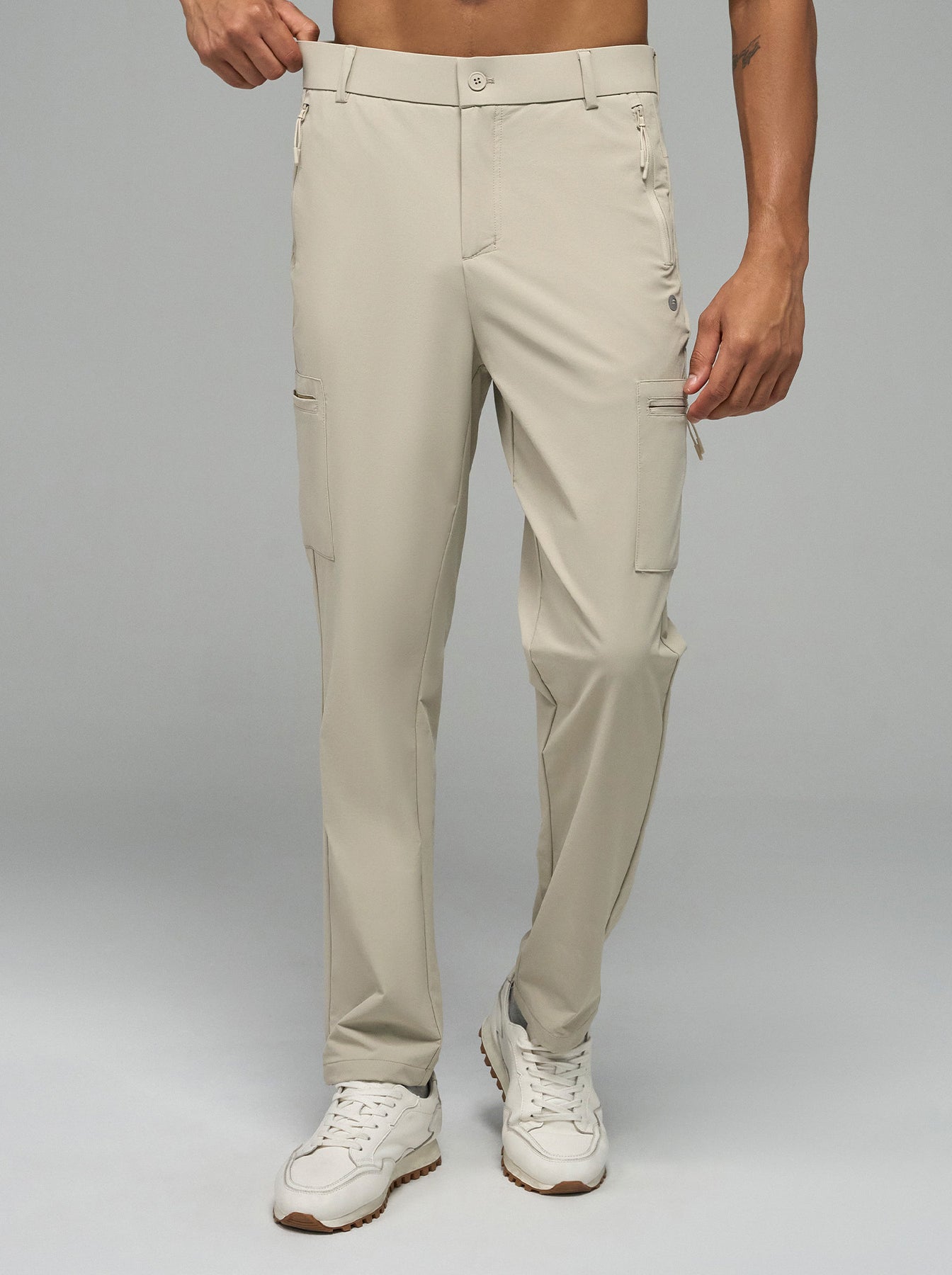
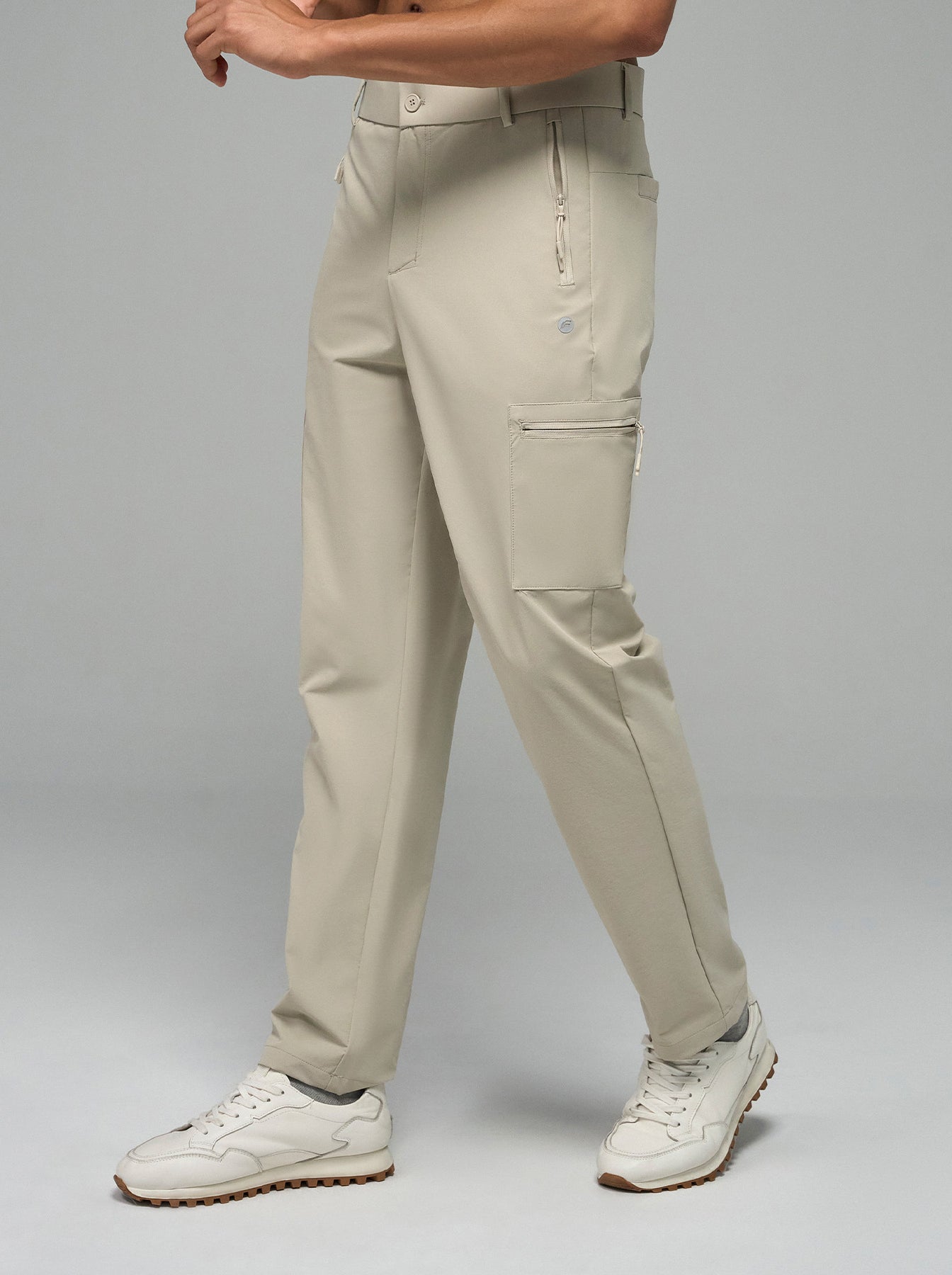


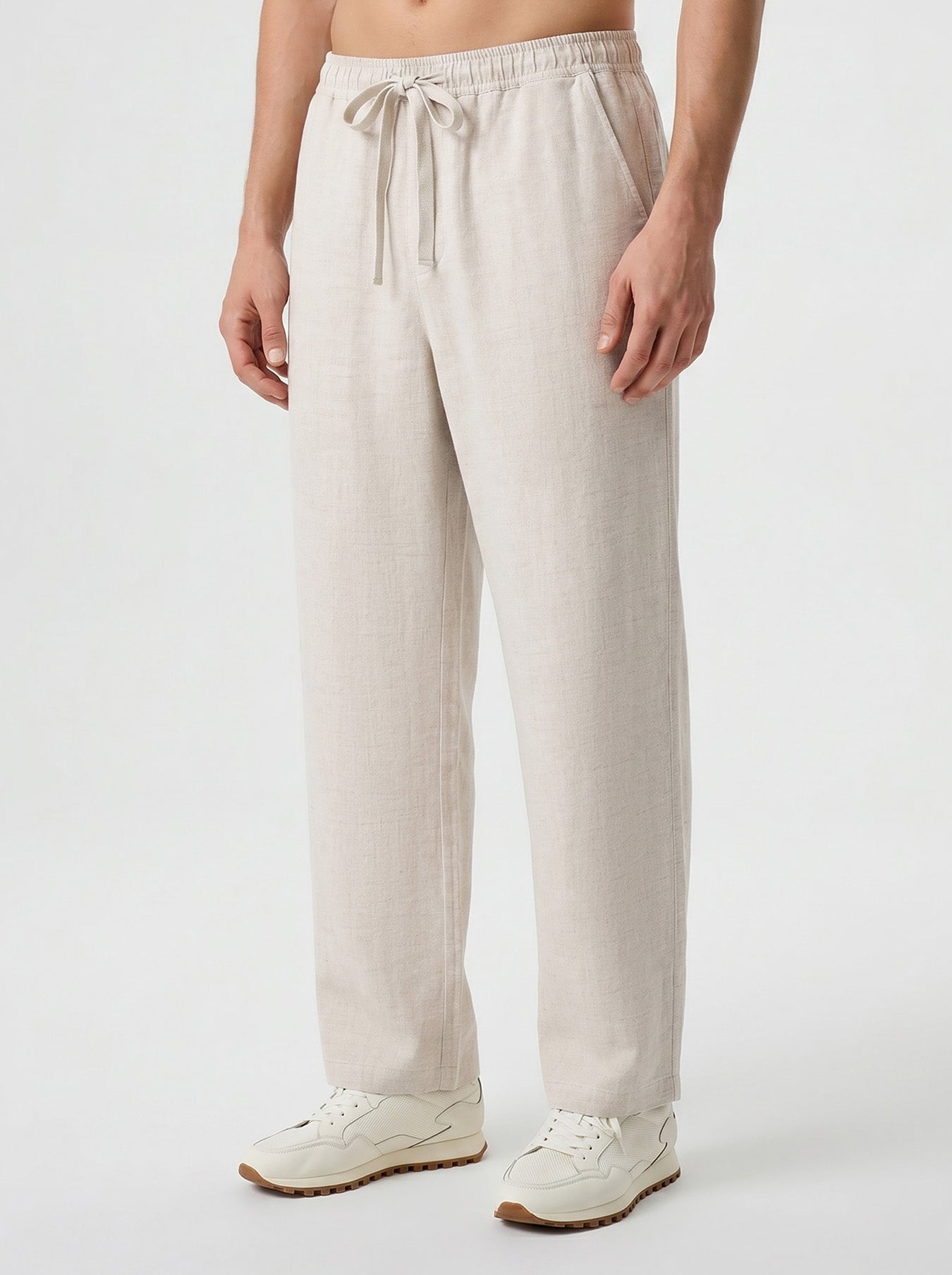
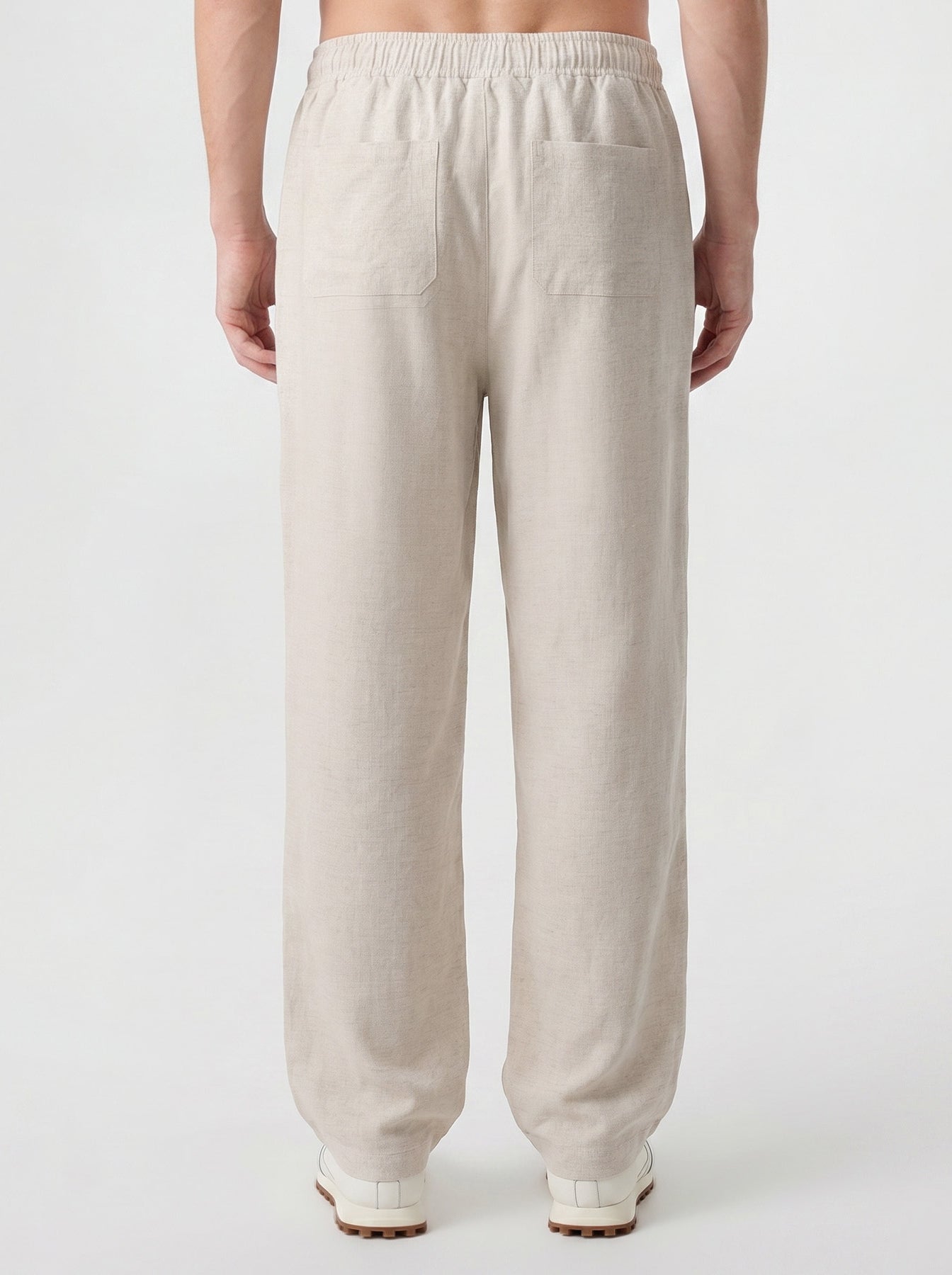


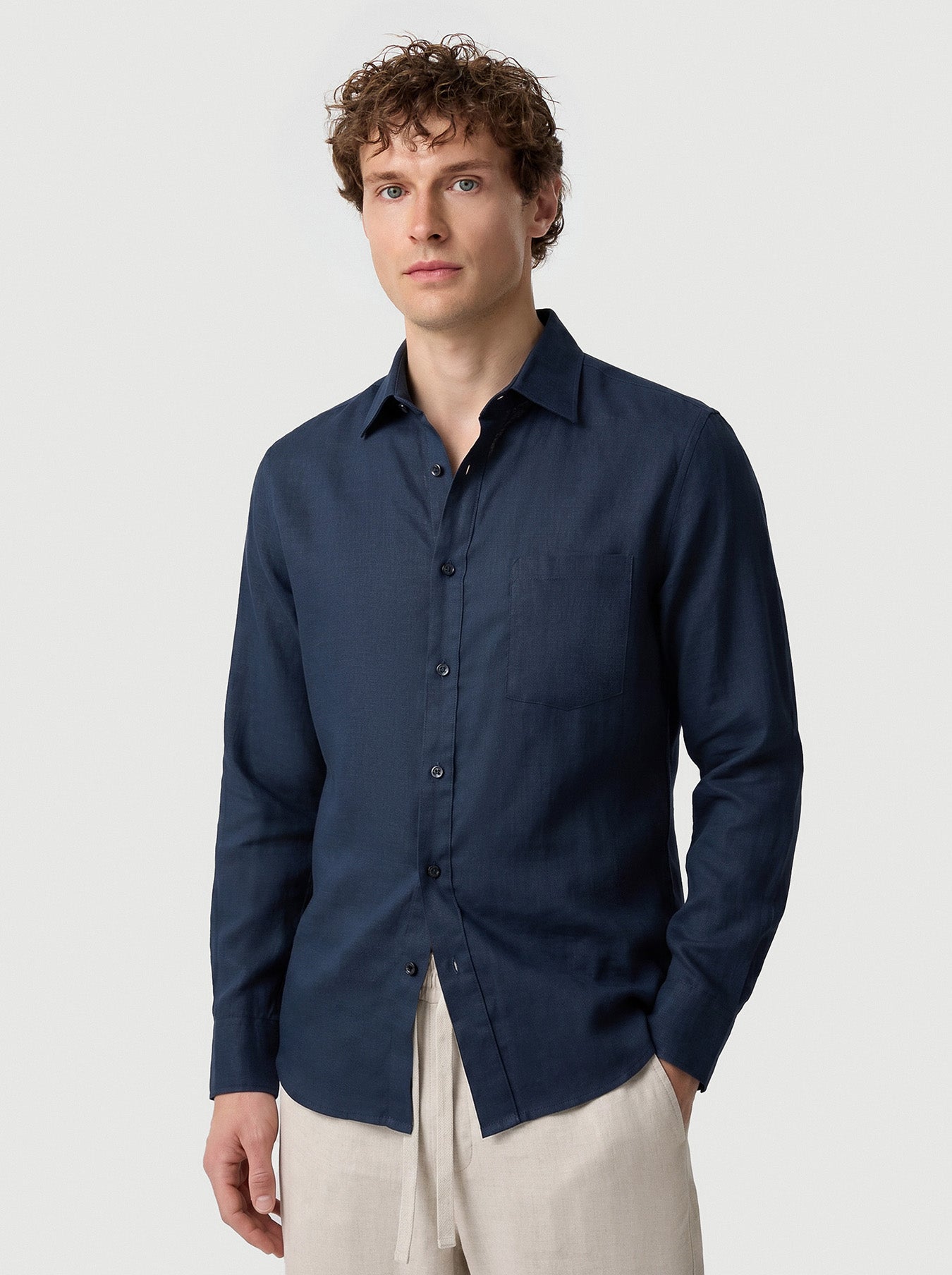


4 Way vs. 2 Way Stretch Fabric: What's the Difference?
If you've ever compared stretch pants, joggers, or activewear, you've probably noticed terms like 2 way stretch fabric and 4-way stretch fabric on product descriptions.
But what actually separates them?
If you've already read our guide on [What Is 4-Way Stretch Fabric and Why Does It Matter?], you already know the basics of 4-way stretch. The more useful question now is how it compares with 2 way stretch fabric—and, more importantly, which one makes sense for different types of clothing and everyday activities.
The difference isn't simply about one fabric being "more stretchy" than another. It can affect how a garment fits, moves, holds its shape, and feels during everyday wear.
Let's break down the differences.
4 Way vs. 2 Way Stretch Fabric at a Glance
The easiest way to understand the difference is to look at how the fabric responds when you pull it.
Feature |
2 Way Stretch fabric |
4 Way Stretch fabric |
Stretch |
Primarily along one axis |
Along both length and width |
Movement |
More controlled |
More multidirectional |
Garment feel |
Often more structured |
Generally more flexible |
Shape |
Can feel more stable |
Designed for greater mobility |
Common uses |
Shirts, workwear, structured pants |
Joggers, activewear, travel pants |
Best for |
Moderate movement |
Frequent or multidirectional movement |
The important distinction is direction, not simply the amount of stretch.
A 2 way stretch fabric can still have plenty of stretch. It just doesn't respond equally in every direction.
What Does 2 Way Stretch Fabric Actually Mean?

The term "2 way stretch fabric" can be slightly confusing.
It doesn't necessarily mean that the fabric only stretches a tiny amount. Instead, it generally means the fabric stretches predominantly in one direction across the fabric, depending on its construction.
For example, a woven fabric may have noticeable stretch from side to side while remaining relatively stable from top to bottom.
This can be useful when a garment needs some flexibility without sacrificing its original structure.
Think about a pair of work pants.
You may want enough stretch to sit, walk, and bend comfortably, but you may not want the entire garment to move freely in every direction. A more controlled stretch can help the pants maintain a cleaner, more traditional silhouette.
That's one reason 2 way stretch fabric remains useful in structured clothing.
Why Would You Choose 2 Way Stretch Fabric?
More stretch isn't always the goal.
Sometimes controlled movement is exactly what a garment needs.
2 way stretch fabric can be a good choice when the design prioritizes:
Structure
Structured pants, shirts, and uniforms often benefit from fabric that maintains its shape instead of moving excessively with the body.
A More Traditional Look
If you're looking for a crisp, polished appearance, a fabric with moderate directional stretch can provide flexibility without creating an overly sporty feel.
Everyday Comfort
You don't need maximum mobility for every activity. Walking around the office, commuting, shopping, or sitting at a desk may only require moderate stretch.
Shape Stability
Because the fabric is more stable in one direction, it can help designers create garments with a more predictable shape.
In other words, 2 way stretch fabric isn't the "lesser" version of 4-way stretch. It's simply designed for a different balance between flexibility and structure.
Where 4-Way Stretch Fabric Has an Advantage
The difference becomes more noticeable when your movement becomes more complicated.
Consider bending down to tie your shoes.
Your hips bend forward, your knees move, and the fabric around your thighs and seat needs to accommodate several changes at once.
Now think about:
- Squatting
- Lunging
- Climbing stairs
- Stretching
- Cycling
- Golf swings
- Yoga movements
These aren't purely horizontal or vertical movements.
This is where the multidirectional flexibility of 4-way stretch can become particularly useful.
Rather than asking, "Which fabric stretches more?" a better question is:
"Which direction does the garment need to move?"
2 Way Stretch Fabric vs. 4-Way Stretch Fabric for Different Clothing
The best choice becomes much easier when you look at the garment itself.
Dress Pants and Work Pants
2 way stretch Fabric: Often a good match.
Work pants usually need a balance between comfort and a professional appearance. Moderate directional stretch can provide enough flexibility for sitting, standing, and walking while preserving a structured silhouette.
4 way stretch Fabric: Useful when comfort and mobility are higher priorities.
For modern work pants designed for long commutes or active workdays, 4-way stretch can provide additional freedom of movement.
Joggers
4-way stretch: Usually the more natural choice.
Joggers are already designed around relaxed movement. Multidirectional stretch complements that design by allowing the fabric to move with the wearer.
Activewear
4-way stretch: Particularly useful.
Training and sports involve movement in multiple directions, so fabric flexibility needs to match the activity.
Travel Pants
This is where the choice gets more interesting.
A traveler might spend the same day sitting on an airplane, walking through an airport, climbing stairs, carrying luggage, and exploring a new city.
For this type of lifestyle, 4-way stretch can be useful because the garment needs to accommodate constantly changing positions.
However, stretch alone shouldn't determine whether a pair of pants is good for travel.
Wrinkle resistance, weight, breathability, drying speed, waistband comfort, and durability can be just as important.

Casual Shirts and Tops
Either option can work.
A casual shirt doesn't necessarily need the same range of movement as athletic clothing. Depending on the design, 2 way stretch fabric may provide enough flexibility while maintaining a cleaner appearance.
Don't Confuse Stretch With Stretch Recovery
Here's one factor that's often overlooked when comparing stretch fabrics:
How well does the fabric recover?
Imagine pulling a pair of pants across your knees when you sit down.
The fabric stretches.
But what happens when you stand up?
A good stretch fabric should be able to return toward its original shape rather than staying noticeably stretched out.
This is known as stretch recovery.
That's why a fabric with excellent stretch isn't automatically a high-quality fabric.
When evaluating stretch clothing, consider both:
Stretch = How easily and how far the fabric extends
Recovery = How effectively it returns to its original shape
This distinction is especially important for pants and fitted garments that are worn repeatedly.
Does 4-Way Stretch Always Feel Better than 2 Way Stretch Fabric?
Not necessarily.
The final feel of a garment depends on much more than its stretch direction.
Two fabrics can both be classified as 4-way stretch but feel completely different because of differences in:
- Fiber composition
- Fabric weight
- Knit or weave structure
- Elastane content
- Fabric density
- Finishing treatments
- Garment construction
One may feel lightweight and athletic, while another feels substantial and structured.
That's why the label "4-way stretch" should be treated as a useful specification, not a complete description of fabric quality.
How to Choose Between 2 Way Stretch Fabric and 4 Way Stretch Fabric
Instead of automatically choosing the fabric with more flexibility, start with how you'll actually wear the garment.
Choose 2 way stretch Fabric when:
- You prefer a more structured silhouette
- You're buying workwear or smart-casual clothing
- You want moderate flexibility
- You don't need a large range of motion
- Shape stability is a priority
Choose 4 way stretch Fabric when:
- You move frequently throughout the day
- You're buying joggers or activewear
- You travel often
- Your activities involve bending and stretching
- You prefer a less restrictive feel
The key is to match fabric performance to the way you move.

A Simple Way to Think About It
Here's an easy analogy.
Think of 2 way stretch Fabric as controlled flexibility.
It gives the garment some room to move while maintaining a relatively stable structure.
Think of 4-way stretch Fabric as multidirectional flexibility.
It is designed to accommodate movement that doesn't happen along a single axis.
Neither approach is universally better.
A pair of tailored work pants and a pair of training joggers have completely different jobs. It would make little sense to expect them to use the exact same fabric.
What Should You Look for When Shopping?
When shopping for stretch clothing, don't stop at the words "stretch fabric."
Look at the complete fabric specification.
Ask:
1. Which direction does it stretch?
This tells you whether you're looking at 2-way stretch fabric or 4-way stretch fabric.
2. How does it recover?
Good recovery helps clothing maintain its fit after repeated movement.
3. What is the fabric made from?
Fiber composition affects softness, durability, breathability, drying speed, and stretch performance.
4. How heavy is the fabric?
A lightweight stretch fabric may be ideal for summer travel, while a heavier fabric may work better for cooler weather.
5. What is the garment designed for?
A pair of pants marketed for travel has different performance requirements from a pair designed for the office.
Ultimately, the best stretch fabric is the one that matches the garment's purpose.
Final Thoughts
The difference between 2 way stretch fabric and 4 way stretch fabric comes down to more than simply "more stretch versus less stretch."
2 way stretch stretch fabric offers controlled flexibility, making it useful for structured clothing and everyday garments where maintaining shape matters.
4-way stretch offers multidirectional flexibility, making it especially useful when clothing needs to accommodate frequent or complex movement.
So when you're choosing between the two, don't automatically ask which one is better.
Ask:
What will I be doing while wearing it?
For a structured pair of work pants, 2-way stretch fabric may provide the right balance. For joggers, activewear, or travel clothing, 4-way stretch may make more sense.
And if you want to go one step further, don't judge stretch fabric by stretch alone. Stretch direction, recovery, fabric composition, weight, and construction all work together to determine how a garment actually performs.
That's what makes understanding fabric worth your time—not just knowing what's on the label, but knowing what it means for the way you live and move.