







Lightweight Winter Jackets for Men: Why Do Jackets Feel Bulky?
Finding a winter jacket that keeps you warm without making you look oversized can be challenging. Many men's winter jackets provide warmth, but their thick insulation, stiff fabrics, and oversized construction can make everyday outfits feel heavy and uncomfortable.
The good news is that staying warm doesn't mean wearing multiple bulky layers. The right lightweight jackets for men can offer practical warmth, easier movement, and a cleaner silhouette without sacrificing everyday comfort.
In this guide, we'll explain why some jackets feel bulky, what to look for when choosing a comfortable winter jacket, and how to build versatile cold-weather outfits with the right fabrics, fits, and layering techniques.

What to Look for in Lightweight Winter Jackets for Men
Choosing the right winter jacket is about finding the balance between warmth, comfort, and freedom of movement. The best lightweight winter jackets for men should fit naturally, work with everyday outfits, and provide enough room for comfortable layering.
Before choosing your next jacket, consider these five important details.
1. Choose Warmth That Matches Your Climate
Not every winter requires a heavily insulated coat. If you live in an area with mild winters, a lighter jacket paired with a comfortable knit or long-sleeve shirt may be more practical.
For colder conditions, look for suitable insulation and wind protection rather than relying on fabric thickness alone.
Think about your daily routine, local temperatures, and how much time you spend outdoors before deciding how much warmth you actually need.
2. Look for Flexible, Comfortable Fabrics
A jacket should move naturally with your body instead of feeling stiff when you drive, walk, or reach for something.
When comparing lightweight jackets for men, pay attention to:
Fabric flexibility and overall weight.
Whether the material feels soft or rigid.
How comfortably it sits over a sweater.
Whether the lining adds unnecessary bulk.
How easily the fabric moves during everyday activities.
The right fabric can make a noticeable difference when you wear a jacket for several hours.
3. Find the Right Fit Around Your Shoulders and Chest
An oversized jacket can make your upper body look wider, while a tight jacket can restrict movement and make layering uncomfortable.
Check these areas when trying on a jacket:
Shoulders: The shoulder seams should sit close to your natural shoulder line.
Chest: You should be able to zip the jacket without pulling or stretching the fabric.
Sleeves: Your arms should move naturally without excessive tightness.
Waist: Avoid excessive fabric bunching around the body.
A good fit should leave enough room for a lightweight sweater without making the jacket look oversized.
4. Choose Practical Details for Everyday Wear
Small details can make outerwear much more convenient.
Consider secure pockets, smooth zippers, comfortable cuffs, and collars that sit naturally around your neck.
If you commute frequently or carry everyday essentials, practical pocket placement can be just as important as the overall appearance.
5. Choose a Jacket That Works With Your Existing Wardrobe
Versatility is one of the most important things to consider when buying outerwear.
Neutral colors such as black, navy, gray, and brown are easy to coordinate with jeans, straight-leg trousers, casual shirts, and knitwear.
Before purchasing, consider whether you can create at least three different outfits with the jacket.
A versatile men's winter jacket should work for everyday errands, casual weekends, and relaxed social occasions without requiring an entirely different wardrobe.
Ultimately, the right jacket should make getting dressed easier while keeping you comfortable throughout the day.

FIOBOC Lightweight Jackets for Everyday Comfort
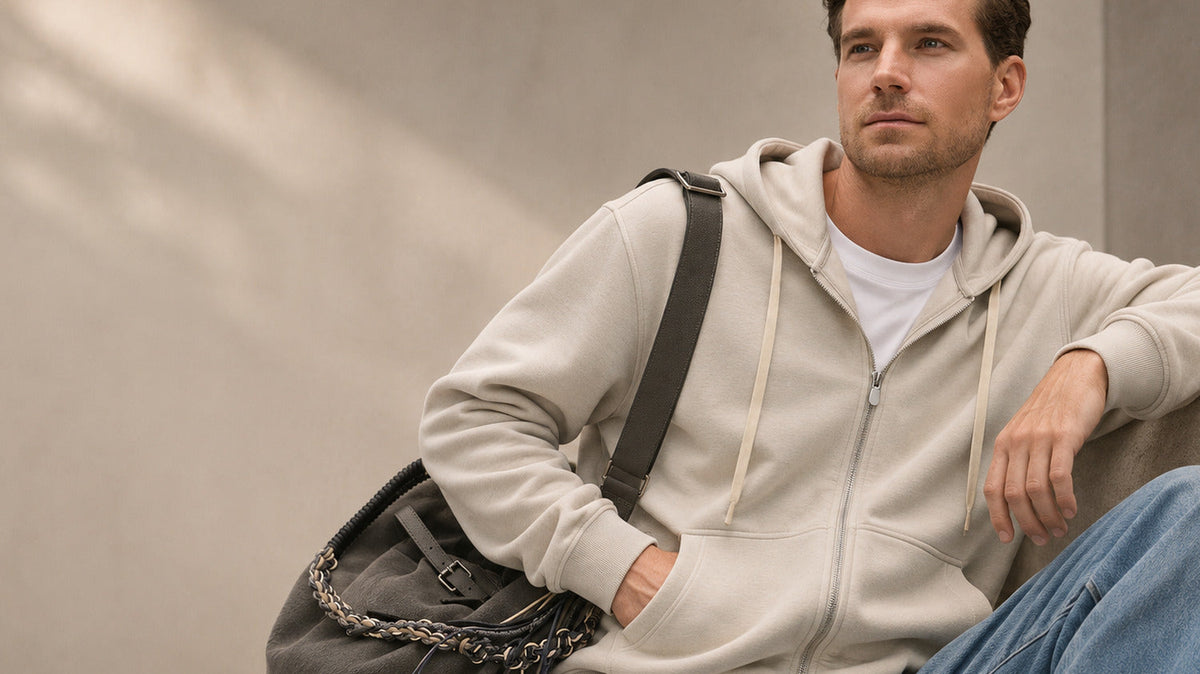
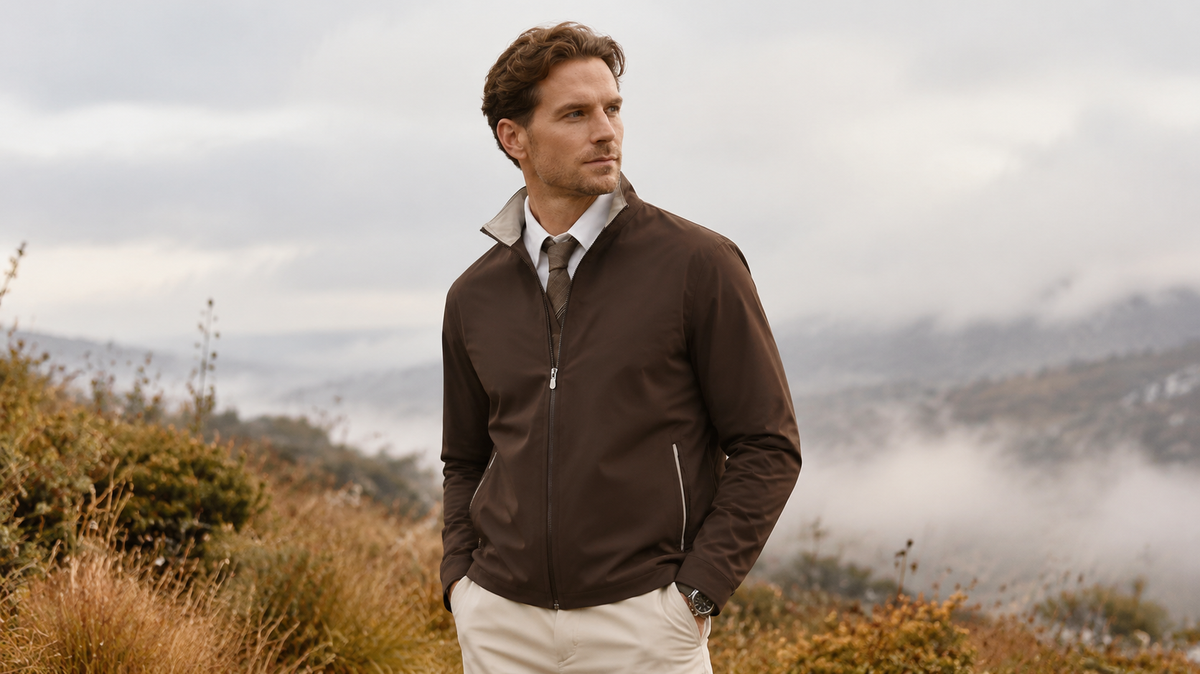
Once you know what makes a jacket comfortable, choosing the right design becomes much easier. FIOBOC offers different outerwear styles for men who want practical everyday comfort without unnecessary bulk.
Here are two lightweight jacket options worth exploring, each with a different design approach.


How to Stay Warm Without Wearing Bulky Layers

Staying warm during colder months doesn't mean wearing several thick layers at once. The secret is choosing clothing that works together, provides comfortable coverage, and allows you to move naturally.
When styling lightweight winter jackets for men, a simple layering strategy can help you stay comfortable without creating unnecessary bulk around your shoulders, chest, and arms.
1. Start With a Comfortable Base Layer
Your base layer should feel comfortable against your skin and fit naturally underneath other clothing.
A long-sleeve T-shirt, lightweight thermal top, or breathable knit can provide a practical foundation for everyday outfits.
Avoid starting with an oversized or excessively thick shirt. Too much fabric underneath your jacket can make the entire outfit feel restrictive.
2. Add One Lightweight Mid-Layer
Instead of wearing multiple heavy sweaters, choose one comfortable mid-layer that complements your outerwear.
A lightweight knit or sweatshirt can add another layer without making your outfit look oversized.
Pay attention to the fit around your chest and arms. You should be able to move comfortably without the fabric bunching up underneath your jacket.
3. Try a Lightweight Vest for More Layering Flexibility
A vest is a useful alternative when you want additional coverage around your upper body without adding another layer around your arms.
Its sleeveless construction makes it easier to combine with long-sleeve shirts, lightweight sweaters, and other everyday essentials.
For example, the FIOBOC Drift Lightweight Stretch Multi-Pocket Vest combines stretch-enhanced nylon fabric with a soft polyester lining. Its full-zip front, stand collar, and five functional pockets make it a practical option for everyday layering.
Wear it over a long-sleeve shirt or lightweight knit for a relaxed outdoor outfit. The sleeveless design also leaves your arms free for more natural movement.
4. Choose an Outer Layer That Matches the Weather
Your final layer should provide the level of protection your local conditions require.
For mild winter days, a lightweight jacket may work comfortably over a base layer and knit. When temperatures drop significantly, choose an appropriately insulated coat or add suitable thermal layers.
Remember that lightweight winter jackets for men are not automatically designed for freezing temperatures. Consider wind, rain, and the amount of time you spend outdoors before deciding what to wear.
A Simple Layering Formula
For an easy everyday combination, follow this approach:
Base layer: A comfortable long-sleeve T-shirt.
Mid-layer: A lightweight knit or sweatshirt.
Optional layer: A stretch vest for additional coverage around the torso.
Outer layer: A jacket appropriate for the outdoor temperature.
The goal is not to wear as many layers as possible. It is to choose each piece carefully so your outfit stays comfortable, balanced, and easy to move in.

5 Common Jacket Styling Mistakes Men Should Avoid

Even a well-designed jacket can look uncomfortable or oversized when styled incorrectly. The right combination of fit, proportions, and clothing underneath can make a significant difference.
If you want to get more out of your outerwear, avoid these five common mistakes when styling lightweight winter jackets for men.
1. Choosing a Jacket That's Too Oversized
An oversized jacket may seem comfortable at first, but excessive fabric around the shoulders, chest, and waist can make your entire outfit look unbalanced.
Instead, choose a fit that follows your natural shoulder line and leaves enough room for a comfortable base layer.
A relaxed fit can still look clean and structured without appearing several sizes too large.
2. Wearing Too Many Thick Layers
Combining a heavyweight sweatshirt, thick sweater, and bulky jacket can make movement uncomfortable.
Rather than adding more clothing, choose thinner layers that work together.
A breathable base layer, a lightweight knit, and a practical outer jacket can create a more balanced outfit for everyday conditions.
3. Ignoring the Proportions of Your Trousers
The trousers you choose can change how your jacket looks.
Very wide trousers paired with an already oversized jacket may create too much volume. On the other hand, extremely tight trousers can make a relaxed outer layer look disproportionate.
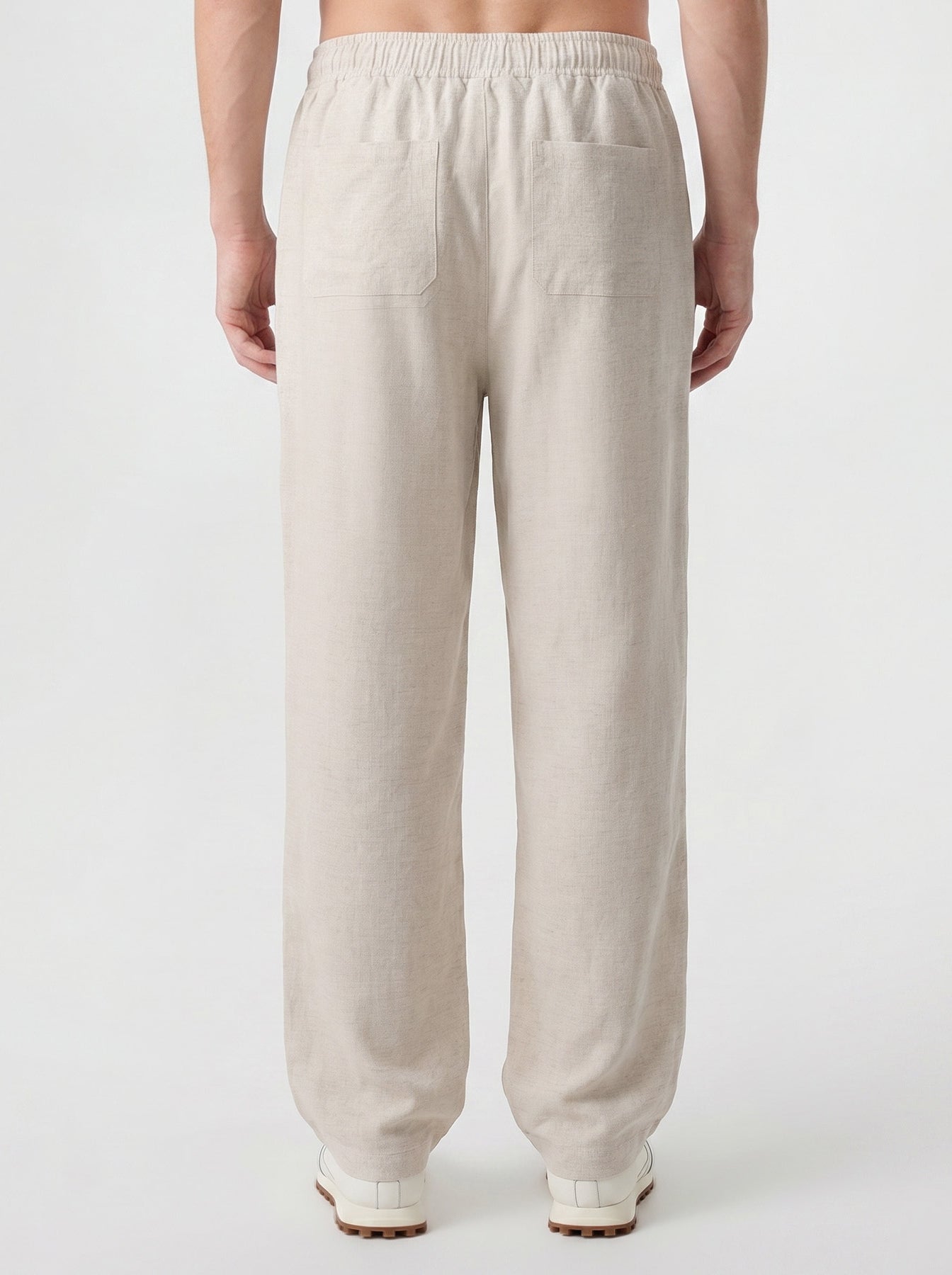
Straight-leg trousers are a versatile option because they create a balanced silhouette with many casual jacket styles.
4. Choosing Heavy Fabrics for Every Occasion
Not every day requires a thick, heavily insulated coat.
If you spend most of your time commuting, driving, or moving between indoor and outdoor environments, an excessively heavy jacket may feel uncomfortable.
Consider your local weather and daily routine before choosing between insulated outerwear and lightweight jackets for men.
For milder conditions, a flexible jacket with a suitable mid-layer may be a more practical combination.
5. Overcomplicating Colors and Details
A jacket with multiple pockets, contrast panels, or distinctive design details can already make a strong visual statement.
Combining it with several competing colors, patterns, and accessories may make the outfit look unnecessarily busy.
Try keeping the rest of your outfit simple. Neutral shades such as charcoal, navy, beige, and white are easy to coordinate with everyday outerwear.
A Better Approach to Everyday Jacket Styling
Before leaving home, check three things:
Fit: Does the jacket sit naturally around your shoulders and chest?
Comfort: Can you move your arms and sit comfortably?
Balance: Do your top and trousers work together without excessive volume?
The best lightweight winter jackets for men should make everyday dressing easier, not require complicated styling to look good.
Keep your combinations simple, choose clothing that works together, and prioritize comfort throughout the day.
Why Do Winter Jackets Feel So Bulky?
Winter jackets often feel bulky because of excessive insulation, oversized fits, or too many thick layers underneath. Choosing lightweight winter jackets for men with a comfortable fit can help reduce unnecessary bulk while maintaining warmth.
How Should a Winter Jacket Fit?
A winter jacket should provide enough room for a sweater or lightweight base layer without feeling oversized. The shoulders should sit naturally, and the sleeves should allow comfortable movement.
How Can Men Stay Warm Without Wearing Bulky Layers?
Choose breathable base layers, lightweight knitwear, and a practical outer jacket. This layering approach helps maintain warmth without adding unnecessary weight or restricting movement.